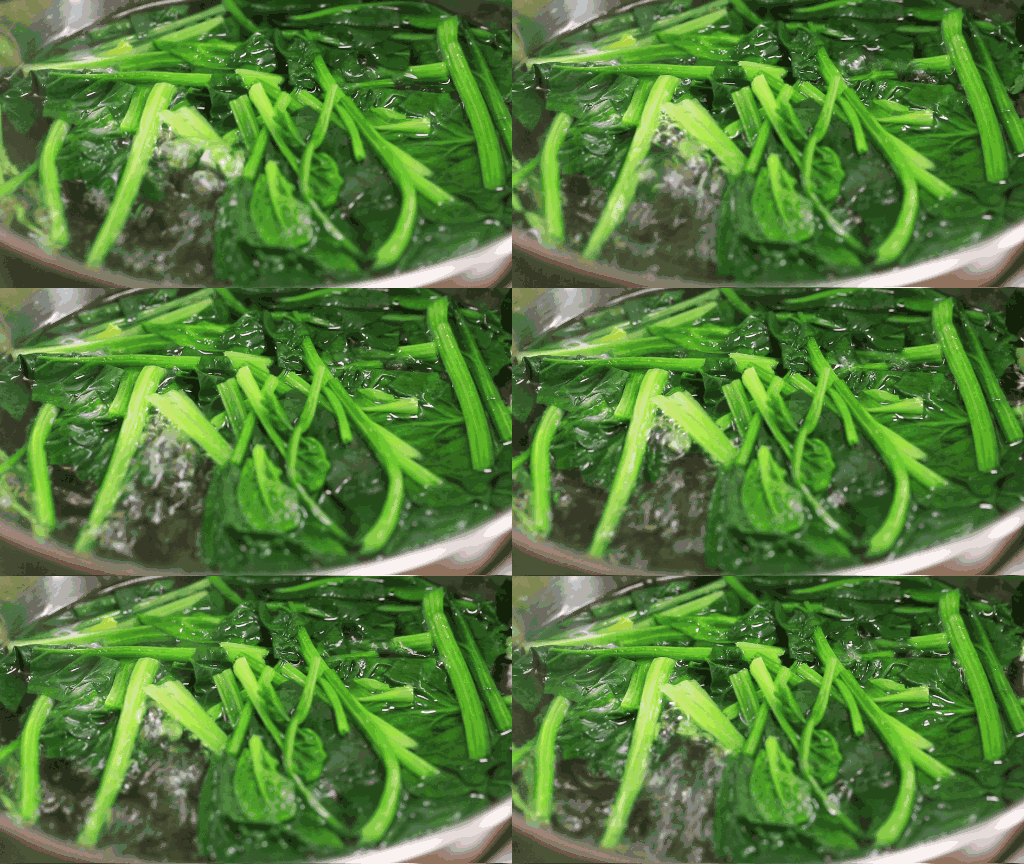
Blanching is a very important step in cooking many dishes. Some vegetables need to be blanched before eating to reduce their earthy taste, and blanching can also remove residual pesticides or harmful substances on the vegetables, making the final dish relatively clean and hygienic.
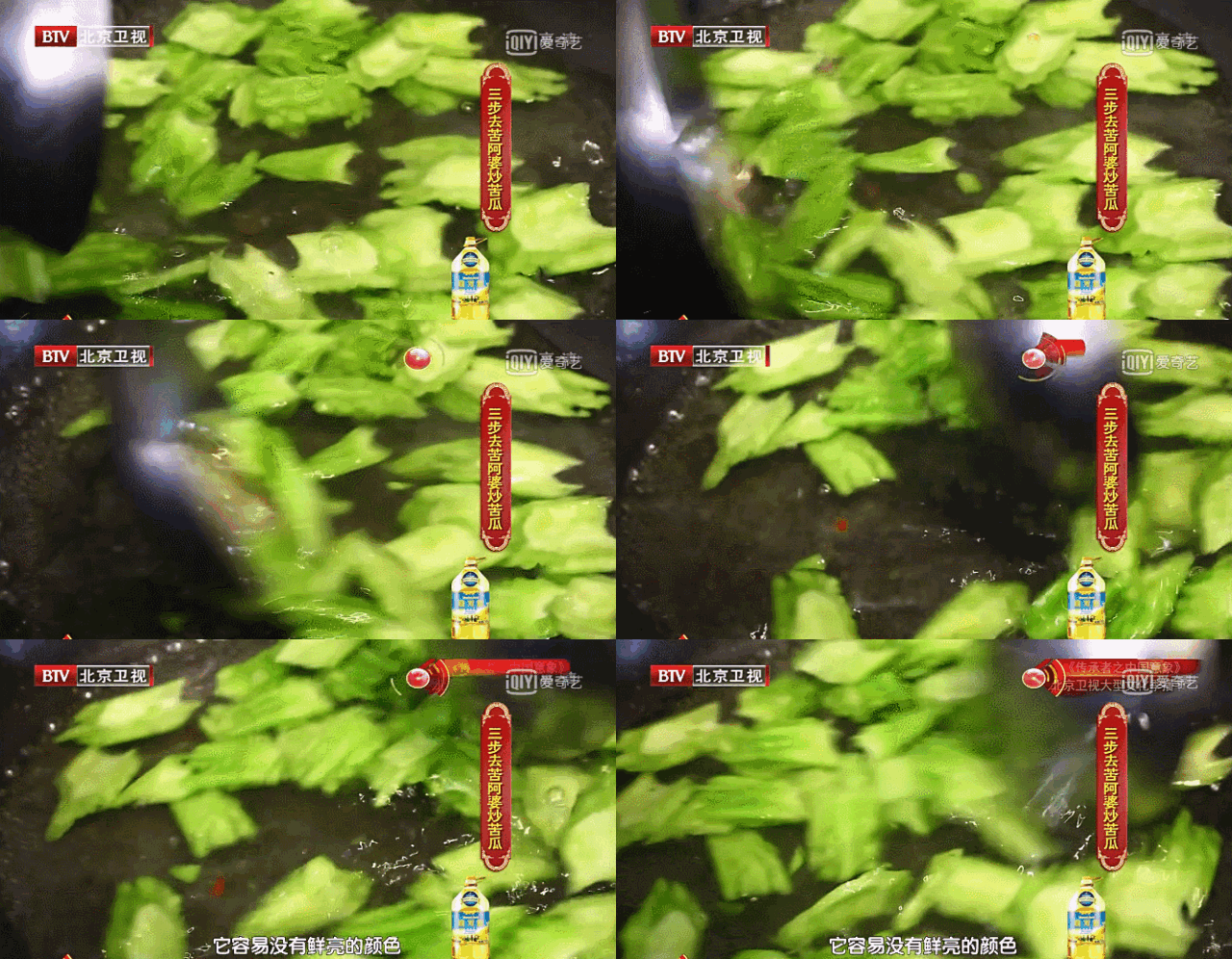
Correct Steps for Blanching Vegetables
1. First, bring water to a boil;
2. Add a little salt to the boiling water.
3. Add the vegetables to blanch.
When blanching vegetables, do not add them directly to the pot, as this will increase the cooking time and can easily make the vegetables too soft, affecting their texture and color. Therefore, it is important to boil the water first, and adding salt raises the boiling point of the water, which helps reduce the loss of nutrients in the vegetables and enhances their bright color.
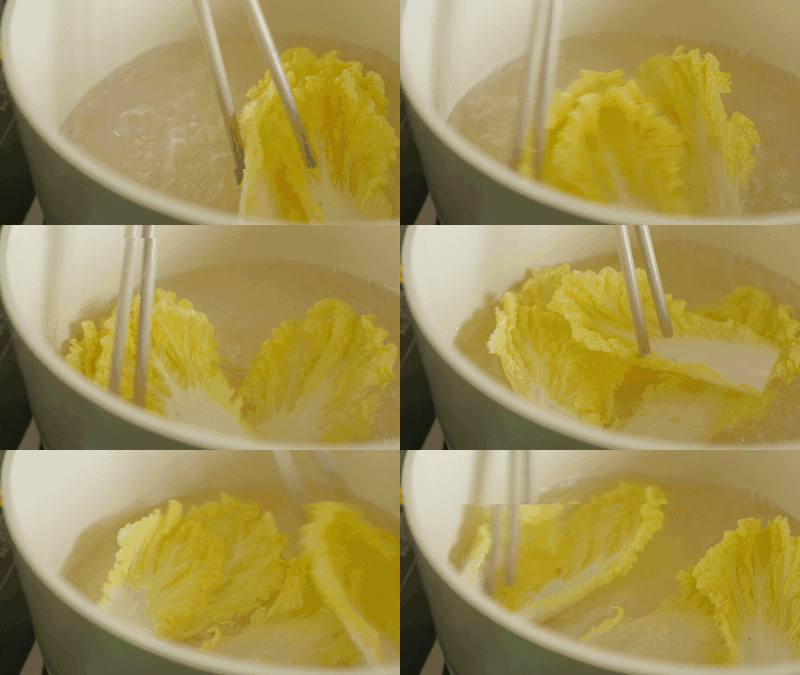
Some vegetables need to be blanched to ensure they are vibrant and bright when stir-fried, while others must be blanched because eating them raw can be harmful to health. Did you know?

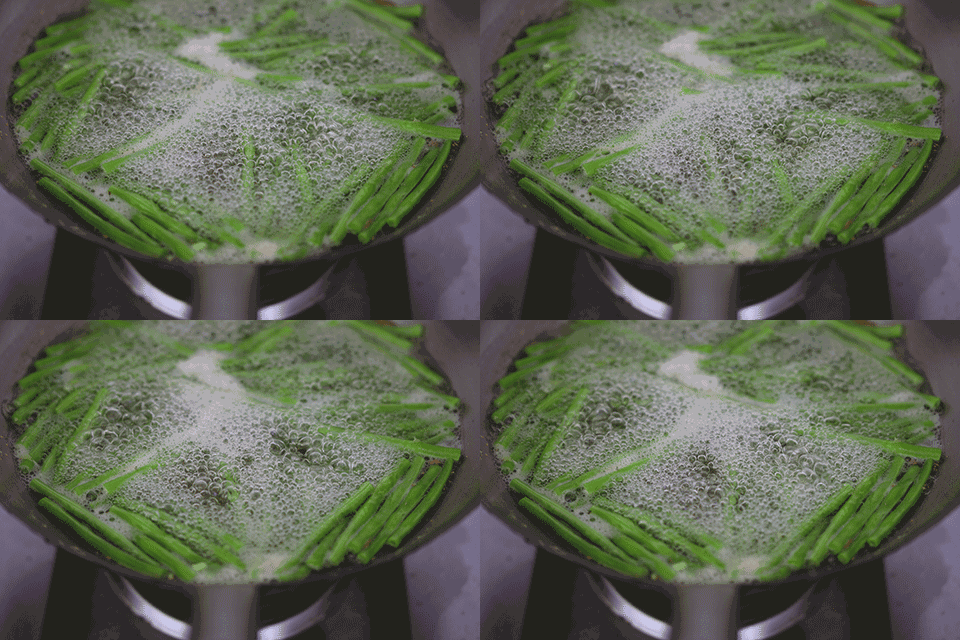
1. Green Beans
We all know that green beans are difficult to cook thoroughly, so they need to be blanched before cooking to reduce cooking time.
Moreover, if green beans are not cooked properly, they can easily cause diarrhea, and excessive consumption can lead to nausea and vomiting. Therefore, when preparing green beans, be sure to blanch them first.
2. Chinese Toon
Chinese toon is a spring vegetable, and it is very natural and nutritious because it grows naturally on trees without the need for pesticides.
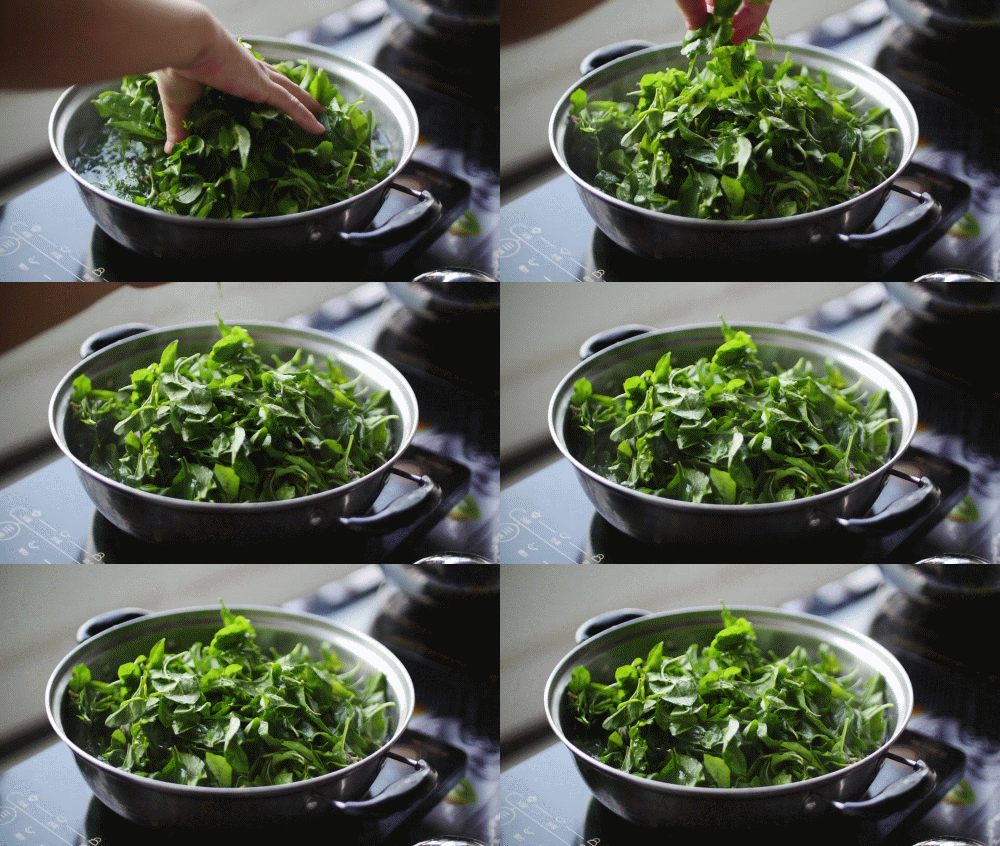
In daily life, many people eat cold mixed Chinese toon, but when making scrambled eggs with Chinese toon, it should be blanched first; otherwise, it can easily cause gastrointestinal discomfort. Of course, many people often overlook this step in their daily cooking.
3. Broccoli
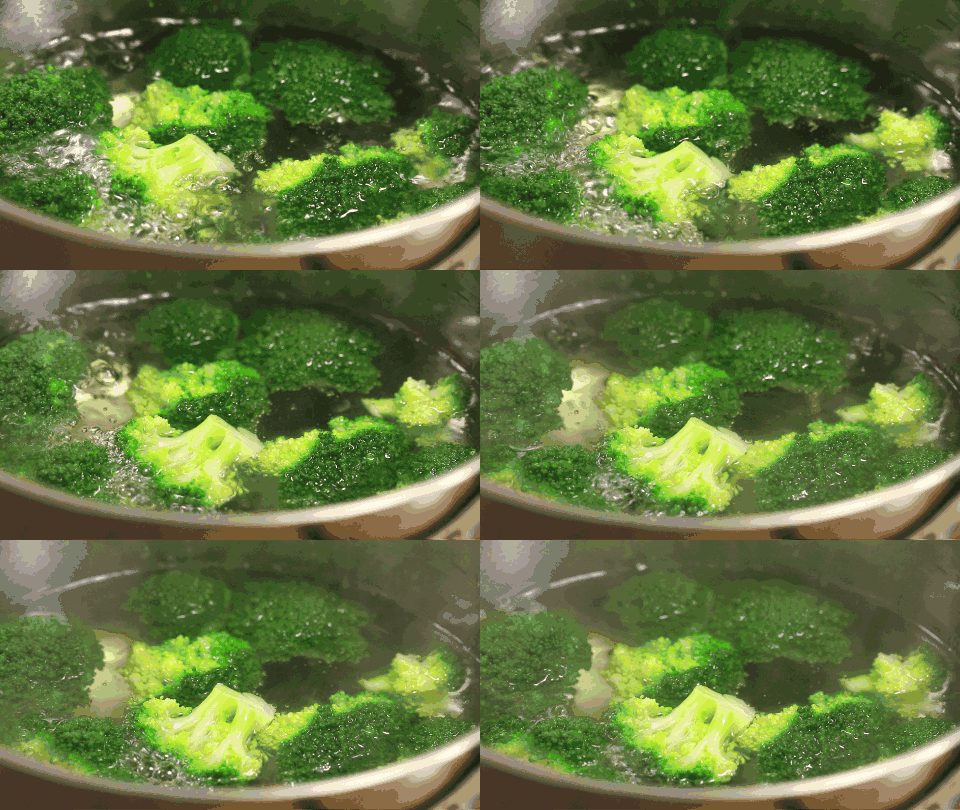
Broccoli is highly nutritious and is great for weight loss, but whether stir-fried or sautéed, it is best to blanch it before cooking.
This is because dust can easily hide in the crevices of broccoli, and simply washing it with water may not clean it thoroughly. Blanching broccoli can effectively remove the dust inside, and it also helps to reduce the oxalic acid content in broccoli.
4. Spinach
Spinach is rich in chlorophyll, but as we all know, spinach has a very high oxalic acid content. Therefore, it is best to blanch spinach before cooking.