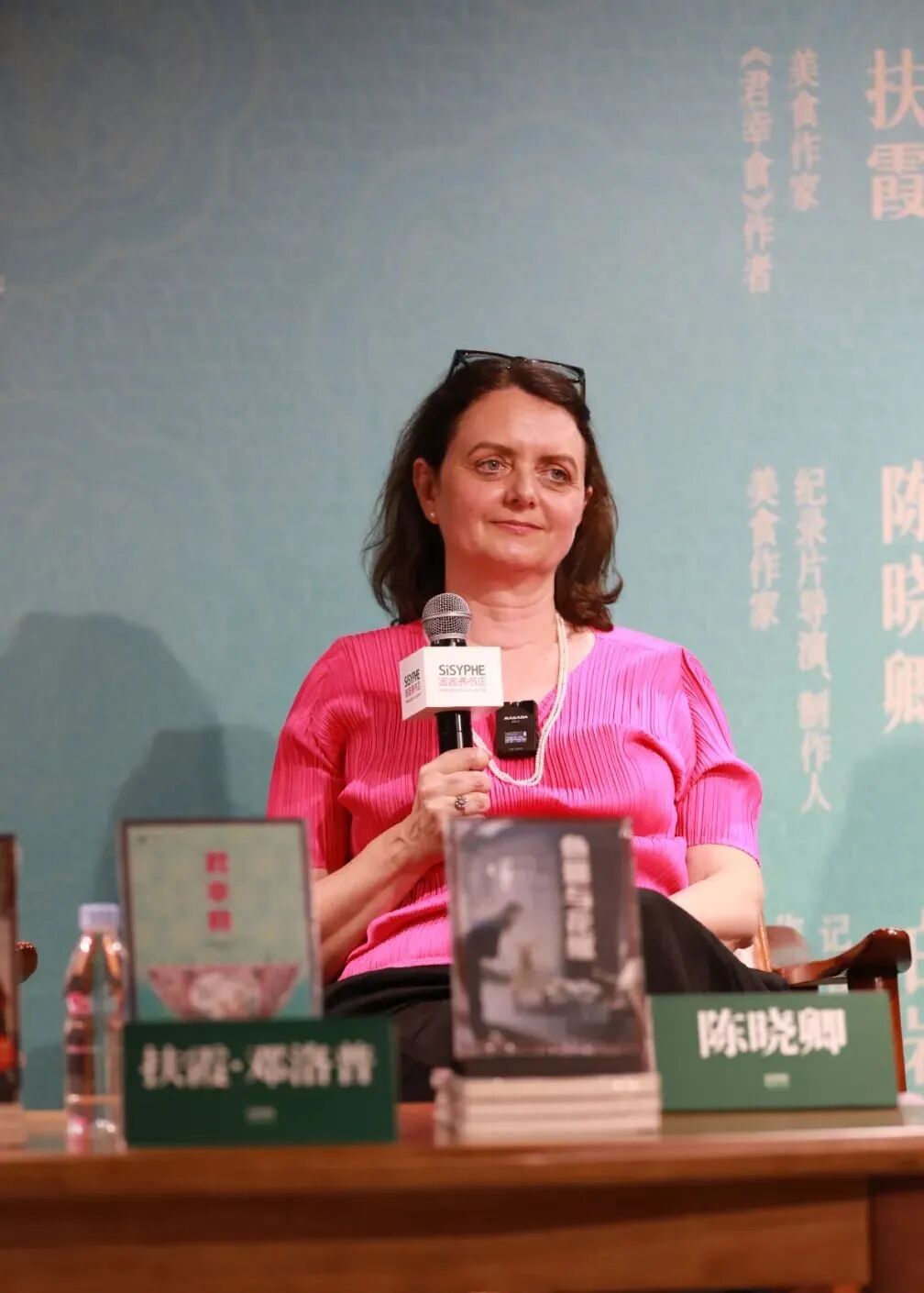
 · Fuchsia Dunlop is hailed as "the Western expert on Chinese cuisine." (Photo by Zhang Senxuan)
*|*Author: Gao Yuan
Fuchsia Dunlop, a British national, first came to China in 1992. Later, she fell into the vast ocean of Chinese cuisine because of a plate of Fish-Flavored Eggplant and found it hard to extricate herself. She can eat, cook, and write, and is praised as "the Western expert on Chinese cuisine."
"My English name is Fuchsia, which is a type of lantern flower. My Chinese teacher transliterated it into '扶霞', which happens to match the color of the evening glow and the lantern flower," Fuchsia said.
In May 2024, her new book "君幸食" (Invitation to a Banquet) meets Chinese readers with a strong culinary vibe.
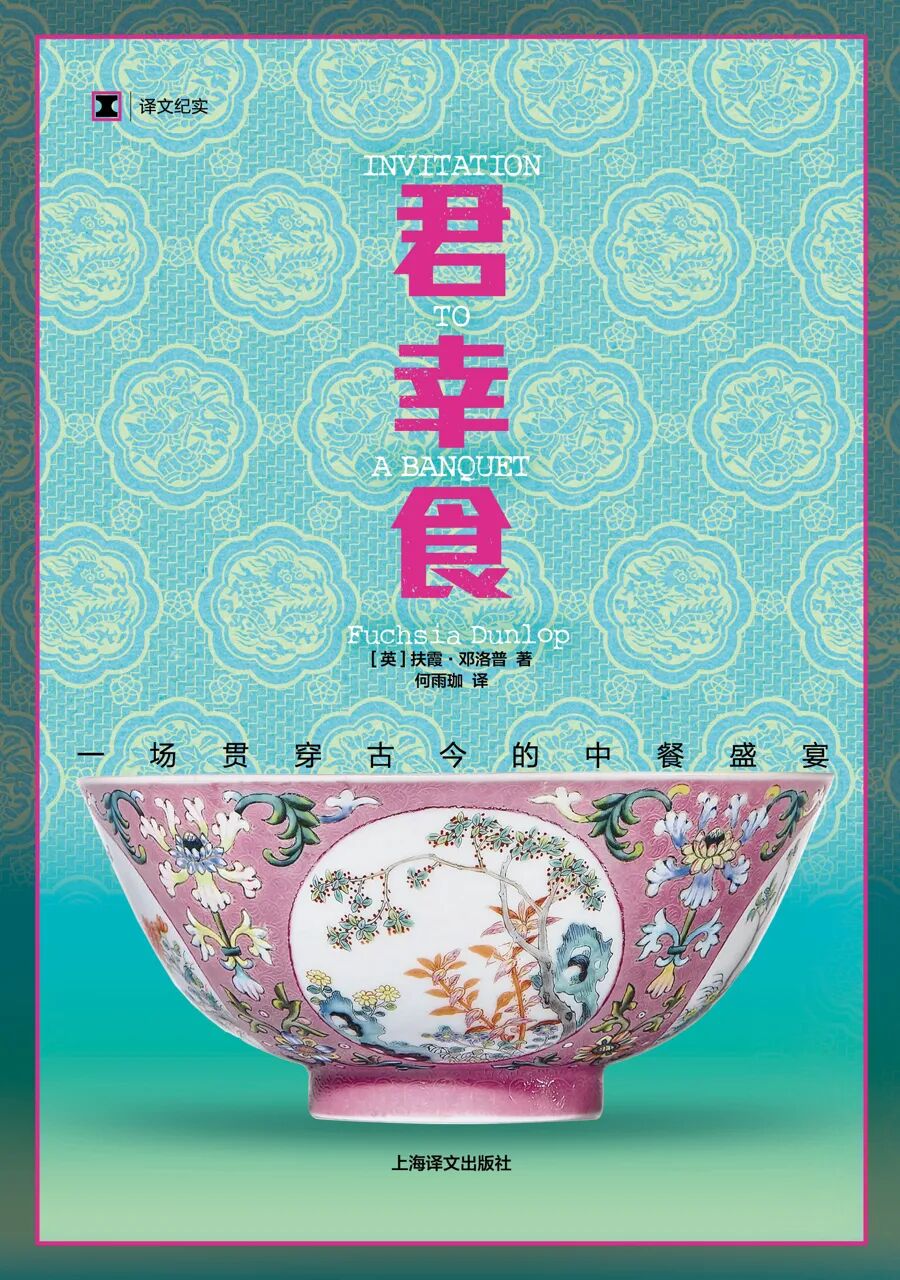 · Fuchsia's new work "君幸食".
From childhood memories of Sweet and Sour Meatballs to the soul-stirring Mapo Tofu, from seasonal dishes like "土步露脸", "赛熊掌", and "鲈鱼之思" to carb bombs like Knife-Shaved Noodles, Soup Dumplings, and Honey Glazed Char Siu, in "君幸食", Fuchsia presents a feast of Chinese cuisine that spans ancient and modern times with 30 dishes.
"Over the past 30 years, I have almost tasted all traditional Chinese delicacies and have long since developed a Chinese stomach."
On May 19, Fuchsia spoke to reporters in Beijing. She was beaming with joy, discussing food in detail, with flavors, presentation, and ingredients intricately linked, as she recounted her fondness for Sichuan, Shandong, and Huaiyang cuisines...
Now, Fuchsia's culinary principle is, "Eat comfortably, eat healthily."
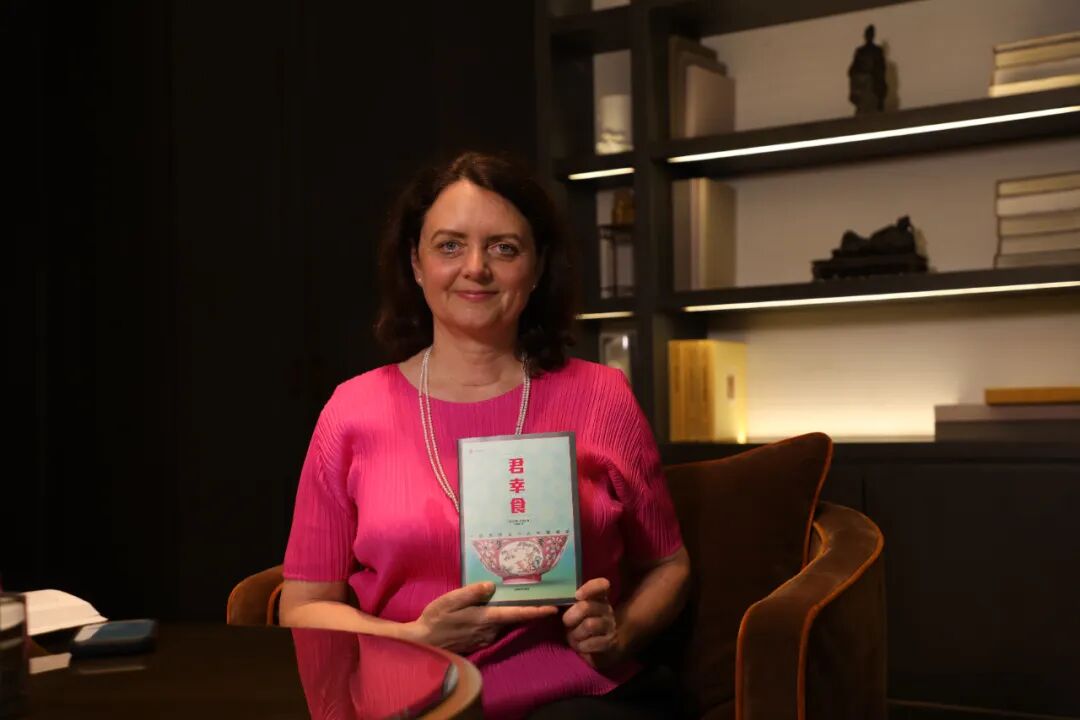 · Fuchsia being interviewed in Beijing with her new work. (Photo by Zhang Senxuan)

Drunk with Crabs
People's Literature and Art: What does "君幸食" mean? Why write such a book?
Fuchsia: The three characters "君幸食" come from an ancient lacquerware piece—a lacquer plate unearthed from the Han tomb of Mawangdui No. 1 in Changsha, which has the words "君幸食" written in the center, meaning to encourage one to eat well and drink well. I really like this phrase, so I used it as the book title, which coincidentally aligns with the English title "Invitation To A Banquet."
From my observation, in recent years, with economic development, China has taken a remarkable image on the international stage, prompting people overseas to further understand traditional Chinese culinary culture. At the same time, more and more Westerners have the opportunity to live, work, and travel in China, and a new generation of Chinese entrepreneurs is also initiating a transformation in the style and presentation of Chinese cuisine abroad. Additionally, countless bloggers and social media influencers are active online, showcasing authentic Chinese food. Finally, a door to cultural exchange between Chinese and Western culinary traditions has slightly opened, allowing people to glimpse the rich connotations of Chinese cuisine.
In this context, the book "君幸食" aims to explore some questions—what is Chinese cuisine? How should we understand Chinese cuisine? And an equally important question is, how do we eat Chinese cuisine?
These questions not only involve significant ethical and environmental dilemmas but also serve as a key to help people outside of China begin to appreciate the brilliance of Chinese culture. At the same time, finding answers to these questions can help us live healthily and enjoy one of the most profound sensory and intellectual pleasures in life. Perhaps the most important lesson I learned in China is how to eat healthily and happily.
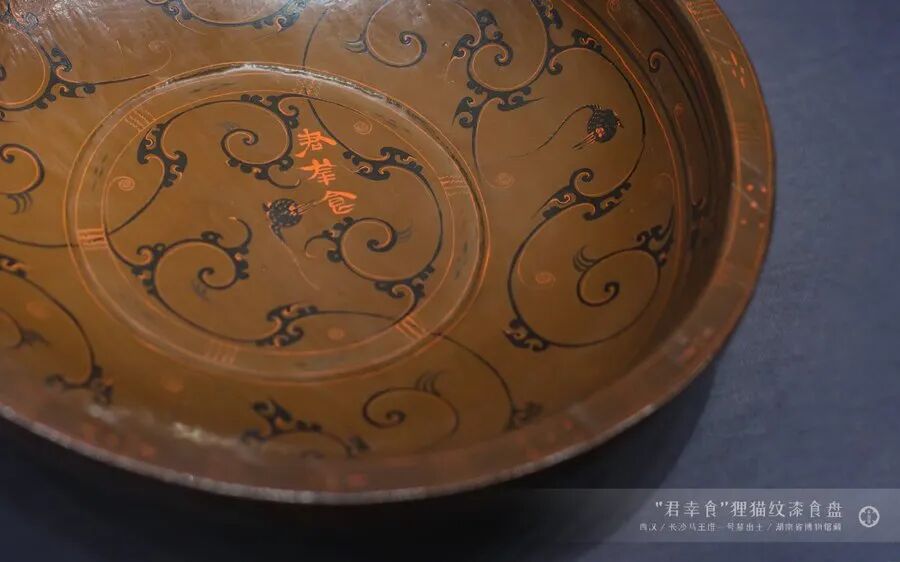
· The lacquer plate with "君幸食" written in the center.
People's Literature and Art: Starting with Sweet and Sour Meatballs, you mentioned in the book that many British children in the 1970s first encountered Chinese cuisine through this dish. You were also captivated by a Fish-Flavored Eggplant when you first arrived in Sichuan. Why are sweet and sour dishes so popular among Westerners?
Fuchsia: I believe it is a physiological reason. Whether in the West or the East, humans tend to like sweet foods when they are young, so it is natural to have a fondness for dishes like Sweet and Sour Meatballs, General Tso's Chicken, and Fish-Flavored Eggplant, which have a sweet flavor.
On the other hand, there is a historical reason. From the mid-19th century to the early 20th century, many Westerners were skeptical about Chinese cuisine; they found it a bit strange and were reluctant to try other complex flavors due to a lack of understanding. However, the sweet and sour taste is easily accepted, and everyone likes it. Thus, sweet and sour dishes became ubiquitous on Chinese restaurant menus.
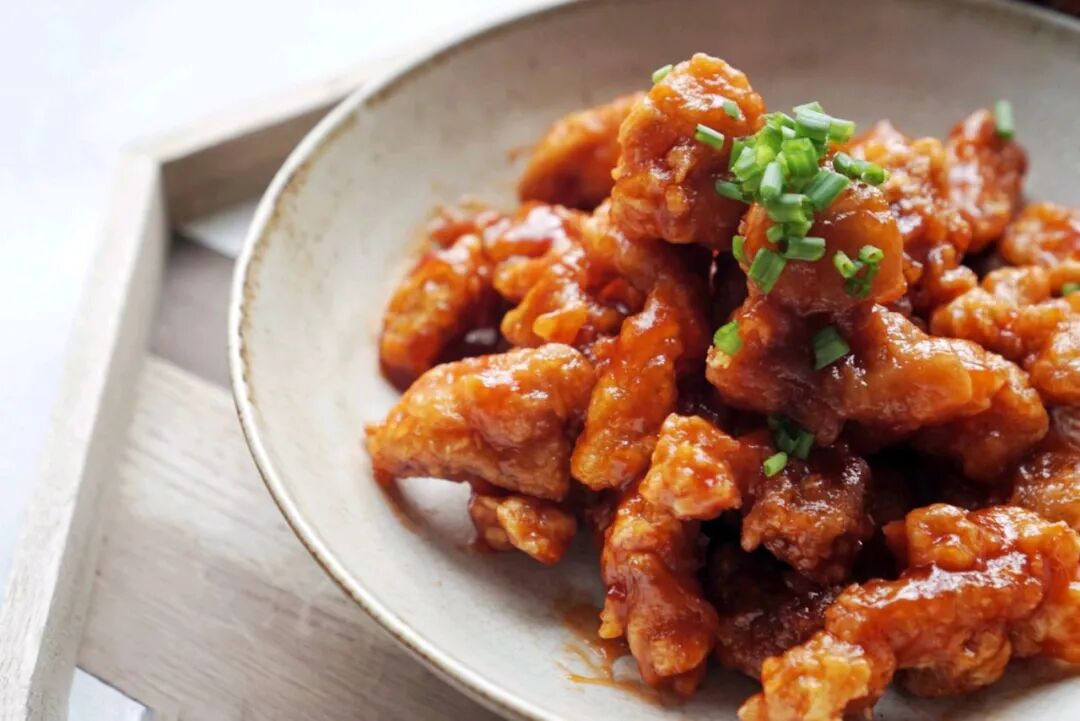 · Hunan dish General Tso's Chicken is favored by Westerners.
People's Literature and Art: Among the 30 dishes in "君幸食", which one is your favorite?
Fuchsia: So far, I think one of the best things I've ever eaten is Drunken Crab. I clearly remember the first time I had Drunken Crab in Shanghai. The crab meat and roe are cool, sticky, and refreshing, with a faint aroma of wine that makes my taste buds dance, delicious enough to make me shiver, and I instantly felt like I was in heaven.
Some people, including many Chinese, may think this is raw and unsafe, but thank God, in the 20-plus years since I first ate Drunken Crab, I've had no issues every time. I often feel like the 17th-century playwright Li Yu: "Delicious crabs enter my dreams, and I am drunk with crabs."
Drunken Crab is delicious, but it shouldn't be eaten every day. If I had to choose a home-cooked dish, my favorite would be Ginger Blanched Chinese Broccoli. The bright green stalks should be quickly blanched, slightly relaxed but still crisp, then stir-fried quickly, and finally sprinkled with a touch of ginger and a splash of cooking wine. In the end, everything is neatly piled on an oval plate, with the deep green leaves smooth and soft, resembling the hair of a mermaid. And the taste, with a delicate and crisp flavor, carries a hint of bitterness, which is very refreshing after indulging in other dishes.
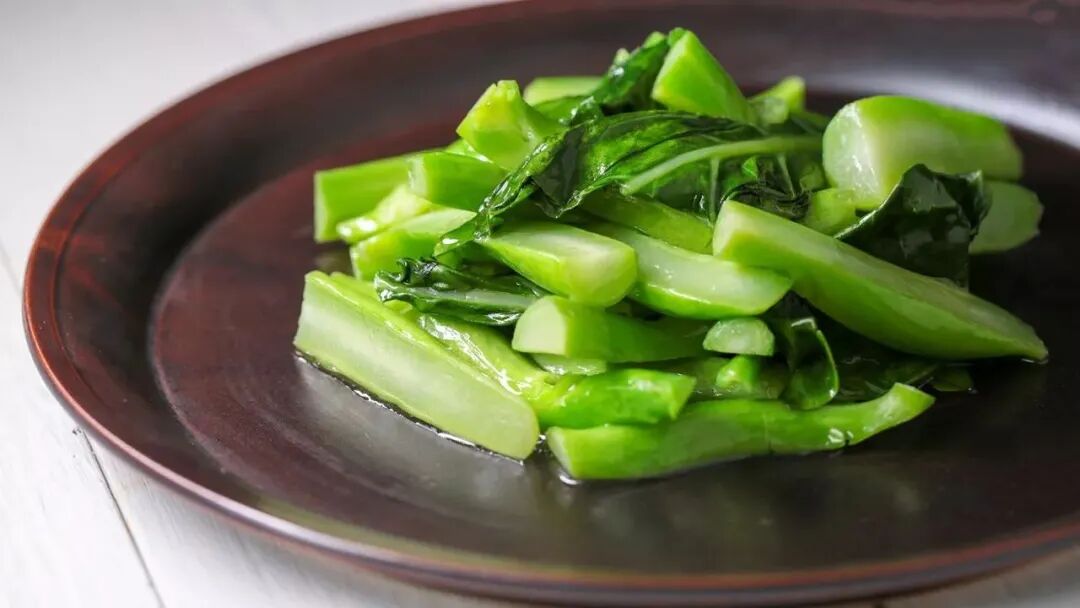 · Ginger Blanched Chinese Broccoli is refreshing and crisp.

Suitable Diet, Harmony Between Man and Nature
People's Literature and Art: Whether it's Drunken Crab or Chinese Broccoli, you seem to have a fondness for fresh, authentic ingredients. Why?
Fuchsia: After eating Chinese cuisine for so many years, I believe that freshness and restoring the original flavor of food is a major characteristic of Chinese cuisine. It allows you to eat in a balanced and healthy way, while also being delicious and nourishing. For example, if I want to eat Dongpo Pork, which is fatty and rich, I need to pair it with a plate of greens and a bowl of white rice. Eating all three together is both satisfying and comfortable.
A few nights ago, I had a traditional Chinese banquet with friends, featuring over 20 dishes. I told them that if all these were French dishes, they would definitely feel heavy after eating, especially after dessert. While it is enjoyable, it can leave you feeling uncomfortable. However, a Chinese banquet often concludes with a light clear soup, which cleanses the palate and doesn't burden the stomach. This is the unique beauty of Chinese cuisine.
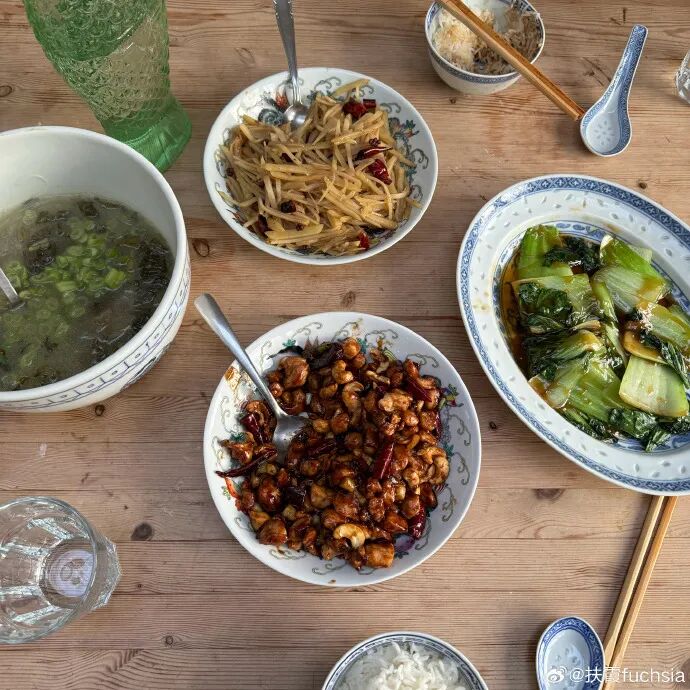
· Fuchsia made Kung Pao Chicken, Stir-Fried Shredded Potatoes, Oyster Sauce Vegetables, and Pickled Vermicelli Soup for her niece in London.
People's Literature and Art: You first came to Chengdu in 1993 and later applied for a research project at Sichuan University to become an international student. Initially, you studied Sichuan cuisine and wrote two books, "Shark Fin and Sichuan Pepper" and "Sichuan Cuisine". Later, you visited Hangzhou, Shaoxing, and other places to explore Zhejiang cuisine, writing the book "Land of Fish and Rice". Which of these two cuisines is your favorite?
Fuchsia: To be honest, I love both, and I can't choose. In my eyes, Sichuan cuisine is very young, exciting, and fun; its flavors are lively. I remember after spending a long time in China, a Chinese food critic jokingly told me that since I love Sichuan cuisine so much, I could never become a top Chinese food expert because once your taste is fixed, it's hard to appreciate other flavors.
But strangely, as I age, my taste preferences have begun to change. I can increasingly appreciate and savor the lighter flavors of Zhejiang, Cantonese, and Huaiyang cuisines. Compared to Sichuan cuisine, they are more subtle and tranquil, giving a sense of peace and contentment.
In fact, Sichuan cuisine is not all about heavy oil and spice as many believe; there are also lighter home-style dishes, such as Boiled Cabbage. Boiled Cabbage is made with the hearts of northern cabbage, cooked with chicken, duck, and pork bones, and seasoned with chicken and pork puree to create a clear broth. The final dish is fresh and elegant, with a rich yet refreshing flavor, not greasy at all.
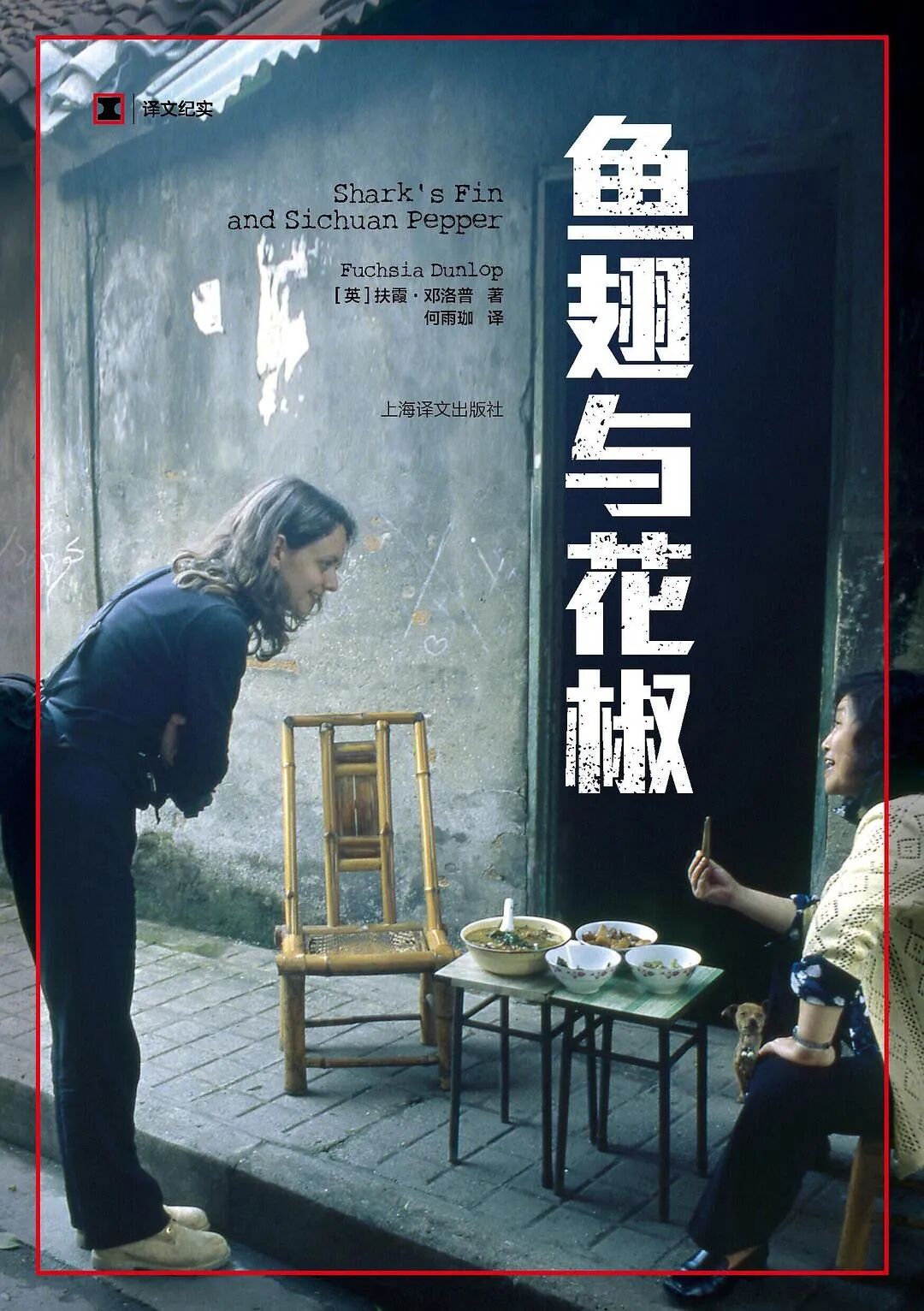
· "Shark Fin and Sichuan Pepper" records Fuchsia's culinary experiences in Sichuan, Hunan, and other regions.
**People's Literature and Art: Eating healthily and comfortably is a trend many people pursue today. Has Chinese culinary culture always had such cooking philosophies?
Fuchsia: Yes. Chinese culinary culture has provided many helpful perspectives on contemporary hot topics related to health and the environment. For centuries, Chinese people have advocated suitable diets and harmony between man and nature.
Traditional Chinese cuisine primarily consists of grains and vegetables, supplemented by moderate amounts of meat and fish to enhance flavor and balance nutrition. The cooking of Chinese cuisine contains rich philosophies that contemporary Western society can reference and draw inspiration from to rethink their unsustainable high meat consumption.
Chinese chefs are incredibly wise, serving as a model for fully utilizing ingredients and minimizing waste, embodying the principle of "respecting heaven and cherishing resources." Perhaps the most admirable aspect is that Chinese cooking can uniquely combine health, sustainability, and mindful eating with extraordinary pleasure.

Food is a Window
People's Literature and Art: You not only eat and write but also cook Chinese dishes. What is your signature dish?
Fuchsia: Mapo Tofu! I love Mapo Tofu, and I have made it countless times. The key to making Mapo Tofu is to use authentic Pixian Doubanjiang. As for the tofu, it shouldn't be too soft or too hard; the best is that which is soft yet can hold its shape. Finally, don't forget to sprinkle some very fresh ground Sichuan pepper. Mapo Tofu is so delicious that I can never get tired of it, haha.
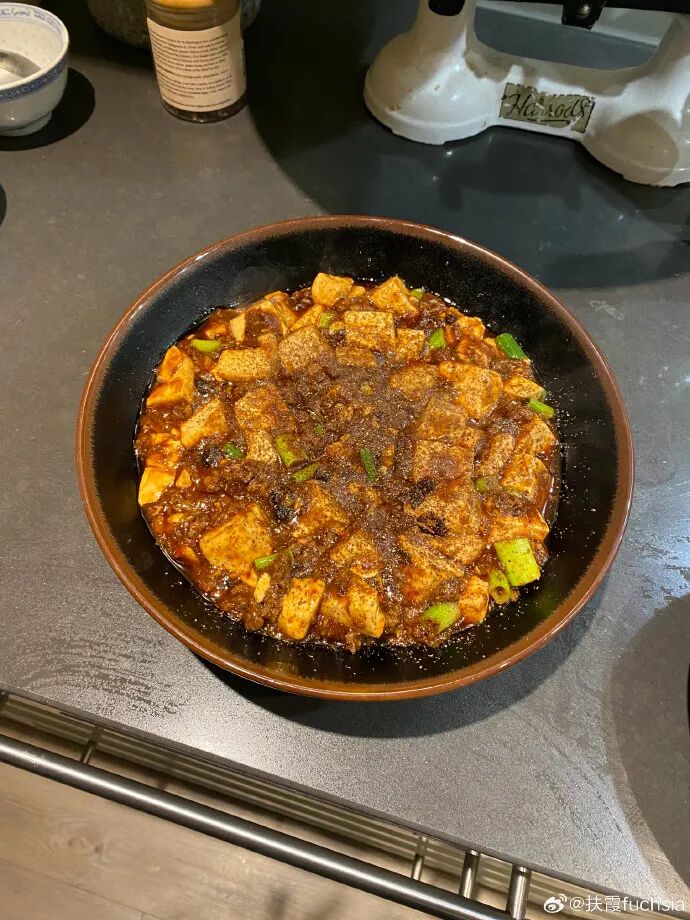
· Mapo Tofu made by Fuchsia herself.
People's Literature and Art: How did you acquire your excellent cooking skills?
Fuchsia: I remember when I was in middle school at 11, my teacher asked me what I wanted to be when I grew up, and I said I wanted to be a chef. Until I was 17, I dreamed of going to Paris to learn cooking, but I never had the opportunity and ended up studying English literature at Cambridge University.
So later, when I was an international student at Sichuan University, I heard that the famous "Chengdu Blue Sky"—Sichuan Culinary Institute was right there, and I immediately rode my bike with a German friend to enroll. Learning to cook was purely out of personal interest; I had no career aspirations at the time, just because I enjoyed cooking and found it very interesting.
The Sichuan Culinary Institute had a significant impact on me, laying the foundation for my culinary research over the past 30 years. Now, even my kitchen at home in London has become very Chinese: woks, cleavers, spatulas, and various Chinese cooking utensils, along with seasonings like Doubanjiang, chili oil, and vinegar, all are complete. I even have a copper pot for Beijing hot pot and a jar for Sichuan pickles, and the space where the microwave used to be now holds the stove god, whom I occasionally pay respects to.
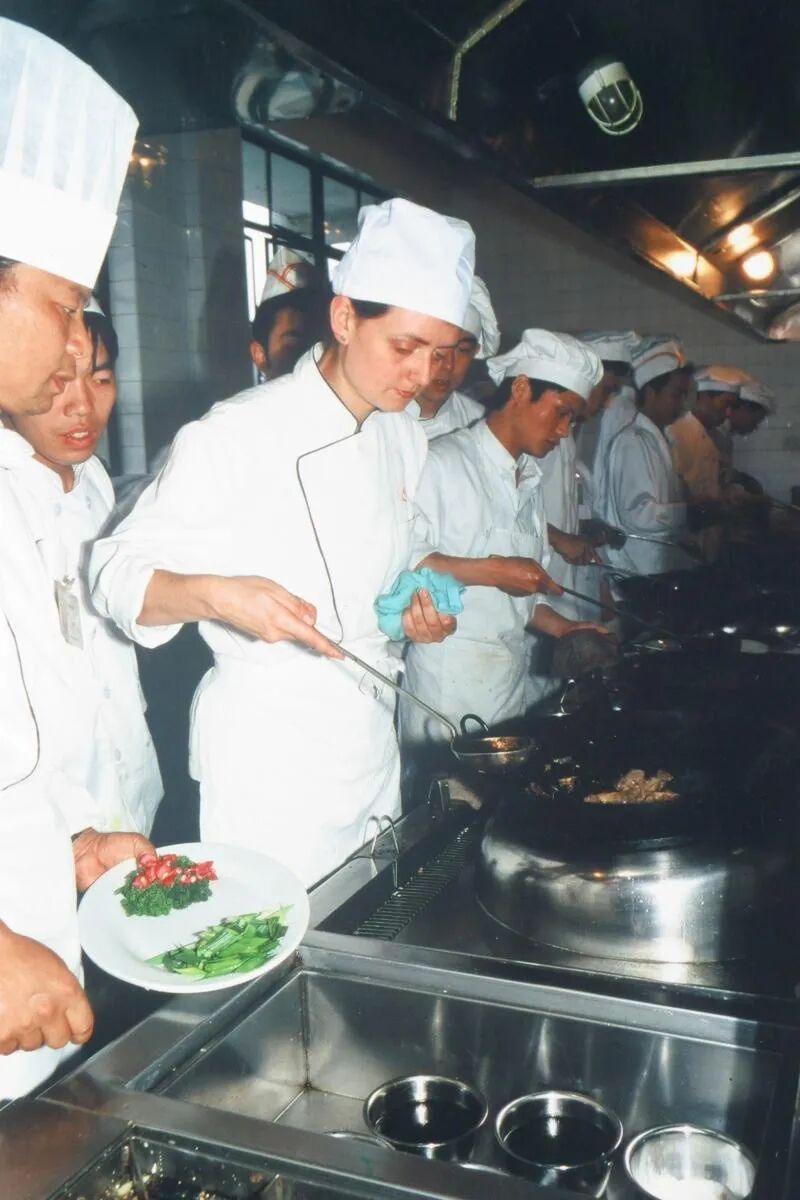 · Fuchsia studied at the Sichuan Culinary Institute.
People's Literature and Art: The director of the food documentary "Flavorful Origins", Chen Xiaoqing, praised you as "a messenger of Chinese and Western food cultures." How do you interpret this evaluation?
**Fuchsia: Over the years, I have always felt that food is a wonderful window for the outside world to understand Chinese culture. Since I began researching Chinese cuisine, I have continuously created and have won the James Beard Award for culinary writing four times, which is known as the "Oscar of the culinary world." I am very happy that more and more Westerners can learn about Chinese people, Chinese society, and Chinese culture through my books and recipes, which are all very important and precious exchanges.
In the future, I have a wish to collaborate on a series of documentaries that tell the food culture of various regions in China through images. I can be the host, introducing my many chef friends and delicious dishes to both Chinese and Western audiences. This is currently my biggest dream.
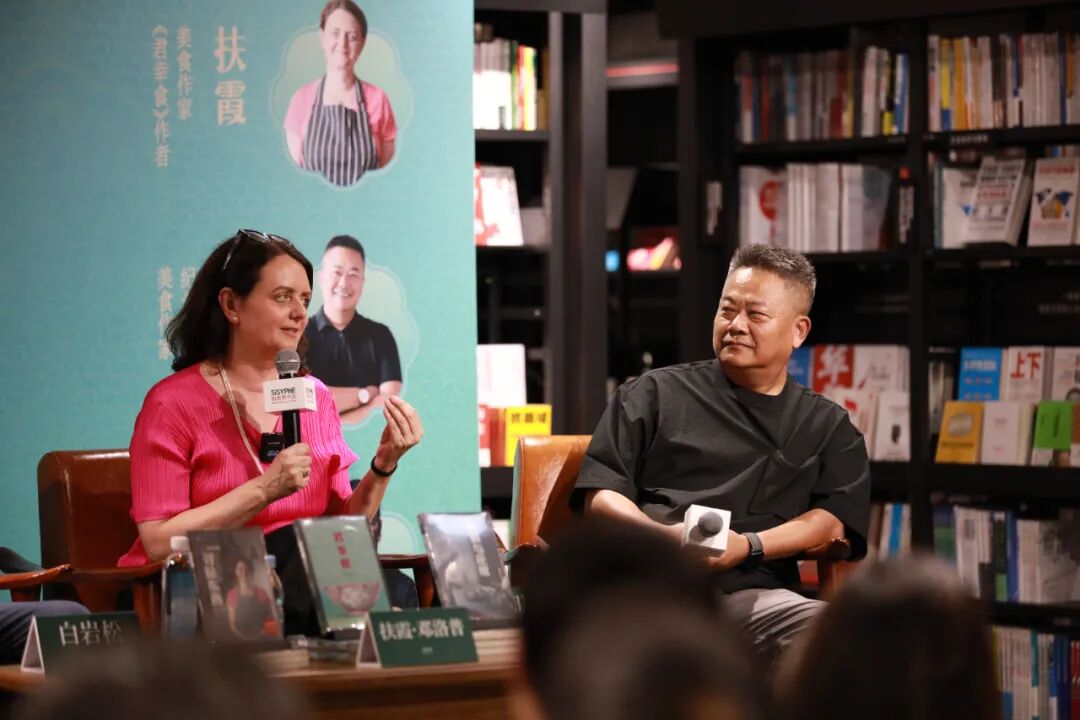 · Fuchsia and Chen Xiaoqing (right) exchange ideas at an event. (Photo by Zhang Senxuan)