Northeast: Not Just Hard Dishes and Big Bowls
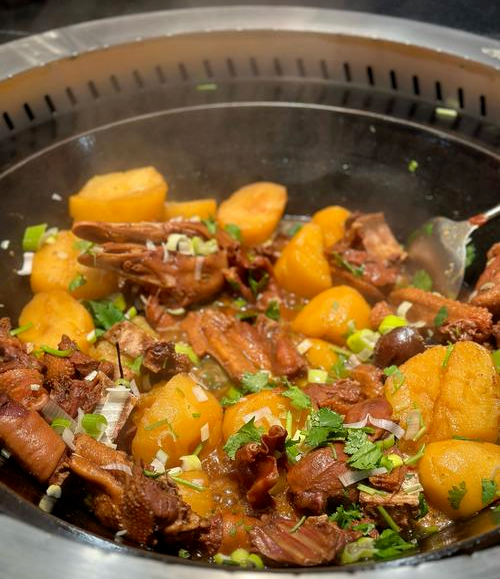
When many people mention Northeast cuisine, they think of Guo Bao Rou, pork stewed with vermicelli, and iron pot stewed goose. These are all correct, but if you really stay in the Northeast for a while, you will find that the core of Northeast cuisine is not just hard dishes and big bowls, but a way of living solidly. Northeasterners emphasize generous ingredients, practicality, and warmth in their cooking, which hides a survival logic: it’s cold in winter, and if you don’t eat enough, you can’t endure it. Therefore, every dish in Northeast cuisine solves a problem: it makes people feel full of energy, withstand the cold, and feel secure.
If you go to the morning market in Harbin, you will see vendors setting up at four or five in the morning, with frozen pears and persimmons neatly arranged, and big pots of pig slaughter dishes bubbling with steam. That scene will make you understand that Northeast cuisine is not a performance; it is a tool for living. The reason for using big pots in iron pot stews is not for show, but because there are many people, it’s cold, and working is tiring; you have to eat like this to be enough. This practicality permeates every dish; when you have an authentic Northeast meal, you will find no frills, just real ingredients, and after eating, you feel warm all over. This is the true essence of Northeast cuisine.
Sichuan and Chongqing: The Sense of Balance Behind Spiciness
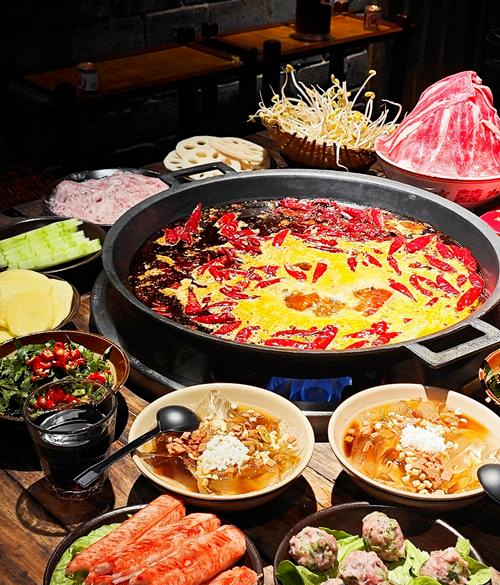
When it comes to Sichuan and Chongqing, everyone knows it’s spicy, but those who truly understand Sichuan cuisine will tell you that the sophistication of Sichuan cuisine lies not in the spiciness, but in the precise control of flavor layers. When you have an authentic Sichuan meal in Chengdu, you will notice the ratio of chili to peppercorns, the control of oil temperature, and the order of adding seasonings; every step is meticulous, and if one detail is off, the flavor is wrong. This rigorous pursuit of flavor hides the essence of Sichuan people: to do something to perfection, to the point where you can’t find fault.
Sichuan and Chongqing cooks have a characteristic of using complex flavors: spicy, numbing, fresh, fragrant, sour, and sweet, layered together, but when you eat, it’s not chaotic; every bite is clear. Hot pot is the most typical example; looking at the pot full of red oil boiling, there are actually dozens of spices in the broth: beef tallow, Pixian bean paste, glutinous rice wine, rock sugar, each has its role, and missing one is not acceptable. This complexity is backed by a mature flavor system, not something that can be made by randomly piling ingredients together; it requires experience, skill, and patience. So, Sichuan cuisine is delicious not just because it’s spicy, but because the balance of flavors is just right, making you want to eat more after finishing.
Cantonese Dim Sum: Slow is Not Pretentious
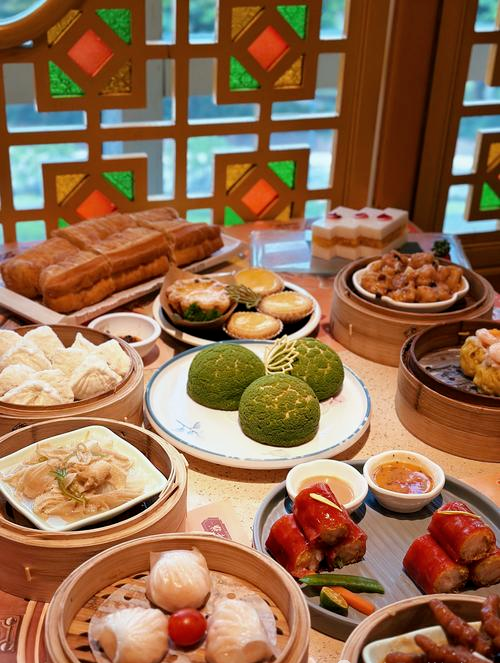
When it comes to Cantonese people drinking dim sum, outsiders often think it’s a kind of ritual, a pretentious slow life, but if you really sit down to have dim sum once, you will find that the slowness of Cantonese dim sum is a confident slowness. Cantonese people are wealthy, know how to do business, and understand enjoyment. They sit in tea houses at seven or eight in the morning with a pot of tea, a few baskets of dim sum, and a newspaper, and can stay for two or three hours. This is not idleness; it’s because they have finished their business and handled their relationships, and the remaining time is truly living.
If you go to an old tea house in Guangzhou, you will see people drinking dim sum: white-haired elders, young couples, business owners discussing deals; everyone sits together, no one is in a hurry, and no one feels it’s a waste of time. Shrimp dumplings, siu mai, rice rolls, chicken feet, each dim sum is exquisite, fresh, and meticulous. This reflects the Cantonese people’s demand for food quality; they won’t eat casually just because it’s breakfast; instead, they take it more seriously. Cantonese dim sum allows you to redefine what abundance means; it’s not about eating expensive food, but about eating leisurely, that state of "I have time, I have money, I know how to live well" is not pretentious; it’s truly lived out.
Jiangsu and Zhejiang: Restraint Behind Sweetness
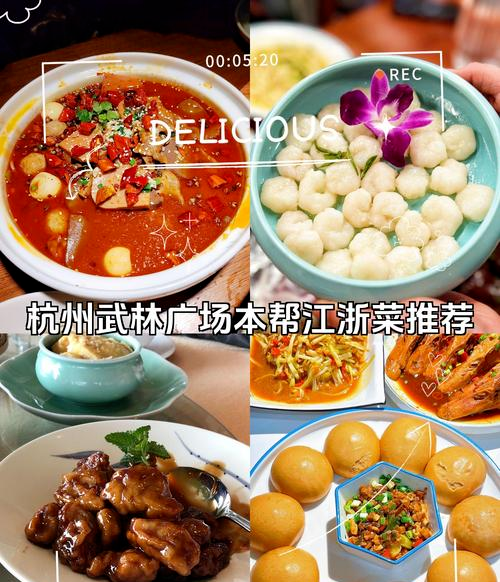
Jiangsu and Zhejiang cuisine tends to be sweet, which many Northerners find hard to adapt to, but if you really stay in Jiangsu and Zhejiang for a long time, you will find that the sweetness of Jiangsu and Zhejiang cuisine is not cloying; it’s a gentle restraint. Jiangsu and Zhejiang people emphasize the original flavor, lightness, and refinement in their cooking; sugar is just a tool to harmonize flavors, not for sweetness’s sake. Braised pork, squirrel fish, sweet and sour ribs may look sweet, but if you eat carefully, you will find that the sweetness is perfectly balanced with saltiness and freshness, not overwhelming, but rather highlighting the freshness of the ingredients themselves.
The attitude of Jiangsu and Zhejiang people towards life is hidden in this sweetness; they are not ostentatious, not radical, and pay attention to moderation. When you go to an old restaurant in Suzhou, you will find that each dish is not large, the flavors are not heavy, but the presentation is exquisite, the ingredients are fresh, and the cooking is just right. After eating, you feel comfortable, not greasy, and the aftertaste lingers. Jiangsu and Zhejiang cuisine teaches you that sophistication is not superficial; it’s about truly paying attention to details, that understated but meticulous state is not done intentionally; it’s something inherent in Jiangsu and Zhejiang people.
Tip: This food map is actually saying one thing: behind every local dish lies the survival logic and life attitude of the local people. The practicality of Northeast cuisine is because it’s cold and tough, the sophistication of Sichuan cuisine is because they pursue perfection, the leisure of Cantonese dim sum is because they are truly affluent, and the restraint of Jiangsu and Zhejiang cuisine is because they understand moderation. So when you eat a local dish, don’t just look at the taste; you need to see how the people behind that dish live; that is the true food map.