Many people only know Changde for its rice noodles.
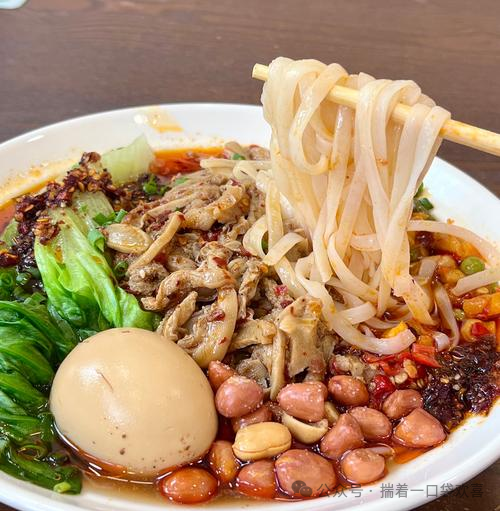
When people mention Changde, the first reaction is rice noodles, which is true, but this is just the surface. If you stay in Changde for a few days, you will find that this city’s understanding of food is different from other places. It is not about refinement or innovation, but a stubbornness of "taking the most ordinary ingredients to the extreme". This stubbornness is hidden in every small shop on the streets and alleys, in the bowl of noodles that Changde people must eat every morning, and in their serious attitude towards food.
For Changde people, eating is about "original flavor". What is original flavor? It means a bowl of rice noodles where the broth is simmered until the bones are tender, the toppings are stir-fried to flavor but not overpowering, and the rice noodles themselves have a chewy texture but are not hard. All three are indispensable. If you eat rice noodles elsewhere, you might think they are good enough, but for Changde people, they can tell if the broth is from the previous night, if the toppings are freshly stir-fried, and if the rice noodles are just out of the pot. This sensitivity to details is not pretentious; it is a standard developed over years of eating. Once this standard is formed, it becomes the backdrop of this city.
But the deliciousness of Changde is not limited to rice noodles.
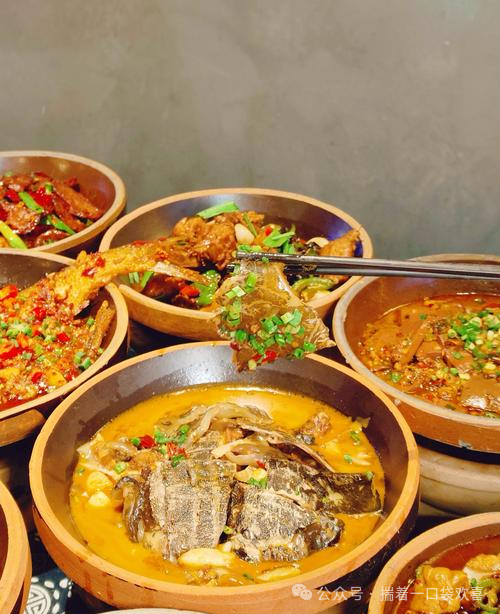
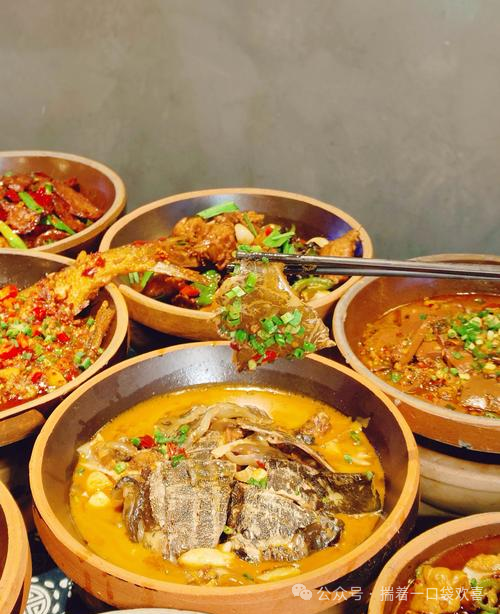
Bozi dishes, Lei tea, and sauce board duck, each can make you redefine what "home cooking to the extreme is delicious". Bozi dishes may look like a pot of mixed stew, but once you take a bite, you understand that this is not a random stew; it is precise control of cooking time and ingredient pairing. The meat must be stewed until tender but not falling apart, the vegetables must be flavorful but not mushy, and the broth must be rich but not greasy. This sense of balance cannot be taught by recipes; it is the experience passed down by generations of Changde people.
Lei tea illustrates the point even more. In other places, it may just be a snack, but in Changde, Lei tea is part of the lifestyle. When you visit a Changde family, the host serves you a bowl of Lei tea, which contains peanuts, sesame, tea leaves, ginger, and a dozen other ingredients. This is not showing off skills; it is telling you that eating is something that Changde people take seriously. Every ingredient has its place, and every step has its reason. This respect for food is not a sense of ritual; it is a lifestyle attitude ingrained in their bones.
The passion Changde people have for food actually comes from a fundamental logic.
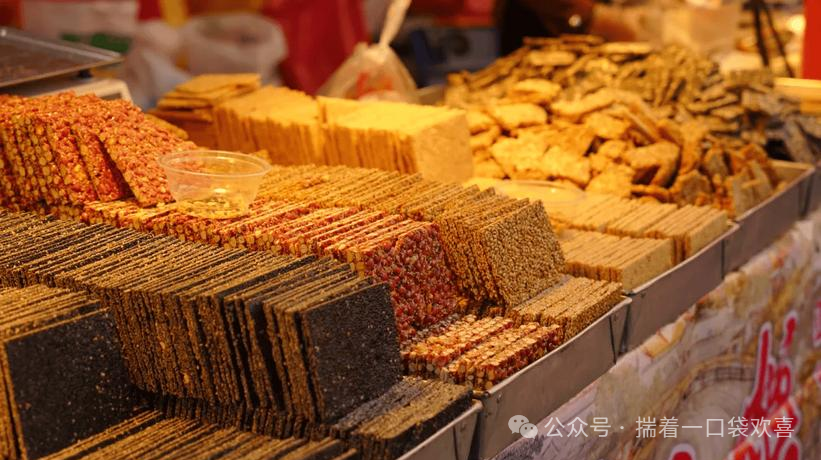
It is "not settling". If you randomly find a small shop on the streets of Changde, the shop may be shabby, and the owner may not be talkative, but the food you eat will definitely be at a level they consider presentable. This "presentable" is not for outsiders; it is for their own people because Changde people are the most picky diners. They eat every day and compare which place is good and which is not, so the people who cook cannot afford to be careless. This creates a virtuous cycle: the diners know their stuff, and the cooks are dedicated, raising the overall food level of the city.
This "not settling" is also reflected in the choices of ingredients. They do not pursue strange or exotic items; they prefer ordinary pork, chicken, fish, and vegetables, but they must be fresh and in season. If you stroll through a vegetable market in Changde, you will understand. The vegetable sellers will tell you which vegetables are the best to eat right now and how to cook them best. This is not sales talk; it is genuinely sharing experience because in Changde, eating is serious and everyday. It does not need packaging or gimmicks; it is about doing every meal well.
So for the first food list of the Year of the Tiger, I lock in Changde.
Not because it is trendy or popular, but because this city’s understanding of food is something I rarely see elsewhere. It knows what truly delicious food is and how to make it, and more importantly, it does not complicate things. It is about taking the most ordinary way to make the most everyday food the best. This simplicity hides a kind of power, a power that makes you think, "So this is what eating can be like" after you finish.
When you go to Changde, you do not need a guide, you do not need to check in at famous spots. Just find a local shop with many locals, sit down, order a bowl of rice noodles, add a serving of Bozi dishes, and have a bowl of Lei tea. After eating, you will understand what it means to live a flavorful life and to take life seriously but not overly so. This is what the city of Changde truly wants to tell you.
Tip: It is best to avoid peak holiday times when visiting Changde. The most authentic rice noodles are best eaten on weekdays in the early morning. The shops recommended by locals are often in inconspicuous places in the old town; do not be scared off by the decor, as the taste often contrasts with the environment. For Lei tea, it is recommended to try it at a farmhouse in Taoyuan or Lixian. For Bozi dishes, make sure to eat those freshly stewed, not pre-made. Sauce board duck can be taken away in vacuum packaging, but it tastes better when eaten fresh.