

【milk-flavored Butter Bread】--- Very Fragrant, Very Soft Yeast Bread
by Poetic heart
Favorite
Difficulty
Hard
Time
2h
Serving
2
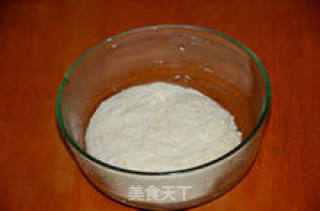
1. Mix the fermented raw materials evenly, cover with plastic wrap and ferment at room temperature for one hour, then refrigerate for 20 to 24 hours.

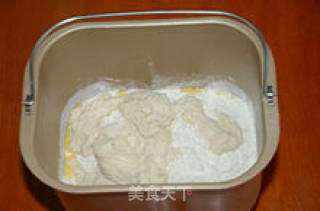
2. Put all the raw materials of the main dough into the bread bucket in the order of liquid first, then powder, and then add the fermented yeast seeds.

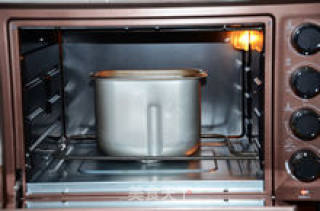
3. Put it in the kneading oven.

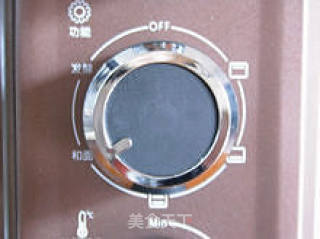
4. Start the kneading function (a kneading program is 15 minutes).

5. After the kneading procedure is over, take it out to test the dough. It has reached the expansion stage.
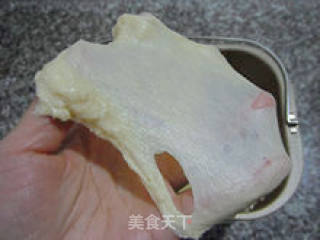

6. Add the softened butter and continue mixing for 15 minutes.
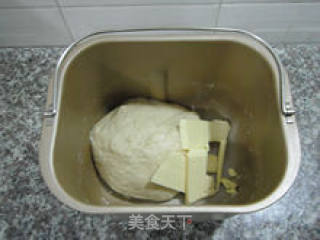

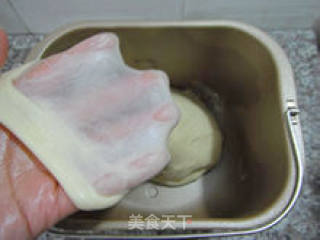
7. After the kneading procedure is over, check the dough again. At this time, the dough can pull out a large piece of film. At the complete stage, you can make toast.

8. Put the dough round and put it in the bread bucket, and cover with a layer of plastic wrap.
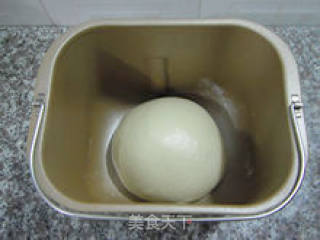

9. Put it in the oven.
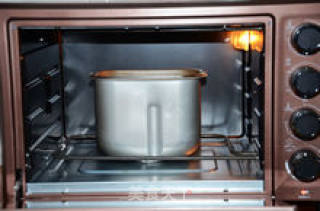

10. Start fermentation function
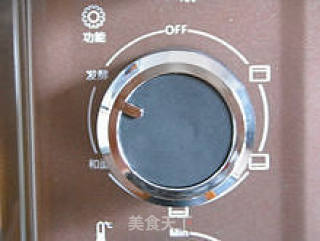

11. You can watch the fermentation state of the dough through the observation window during fermentation.


12. When fermented to 2 to 2.5 times the original size.
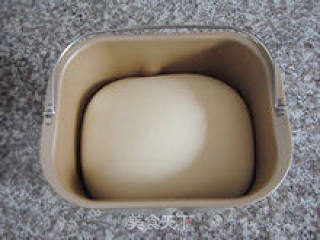

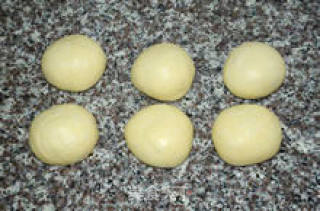
13. Divide the dough into 9 equal parts. (I used six equal parts, and the other three for other things)
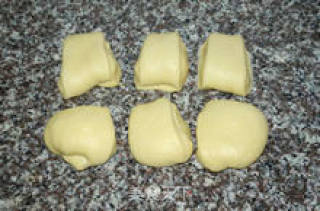

14. Round the dough, cover with plastic wrap and let it stand for 15 minutes.

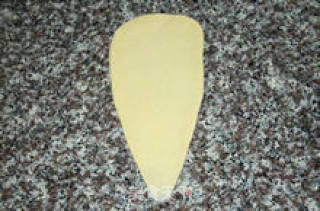
15. Take a portion of the dough, roll it into an inverted triangle, turn it over, and roll out the bottom edge.

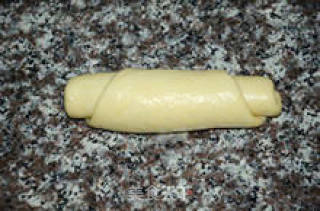
16. Roll up from top to bottom with the mouth facing down.

17. Put them in a baking dish lined with greased paper. (Six sets are not enough for one set, I just divided them into two sets)
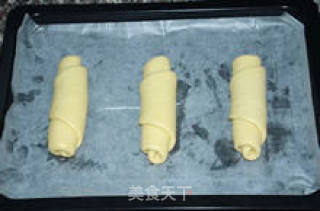

18. Put it in the oven to ferment.


19. When it fermented to twice its original size, take it out, use a sharp blade to make a knife in the middle of the dough, squeeze a strip of softened butter, sprinkle a little almonds, and sieve a layer of powdered sugar.


20. Put it into the preheated oven ten minutes earlier, 160 degrees, middle level, and bake on the upper and lower fire for about 15 minutes, and then cover with tin foil. (End the baking early according to the actual situation)


Tips:Poetry heart phrase:
1: The amount of water required for the main dough should be increased or decreased according to the water absorption of the flour.
2: When fermenting the dough, cover it with plastic wrap or a damp cloth to prevent the dough from drying out.
3: The fermentation time varies according to the environment and depends on the specific conditions of the dough.
4: The baking time is adjusted according to your own oven.