
Okara Bun
by Shredded Potato Burrito
Favorite
22
Difficulty
Normal
Time
1h
Serving
3
There is usually some okara after whipping soymilk. Although the current machines will whipped the soybeans very delicately, the large amount of okara will still affect the taste of soymilk. It is more comfortable to drink after the okara is filtered out. Many people just throw away the filtered bean dregs, which is a pity. Most of the nutrients are in this bean dregs. We can fry the bean dregs into small tofu and eat them, or make them into vegan meat floss, and then make noodles.
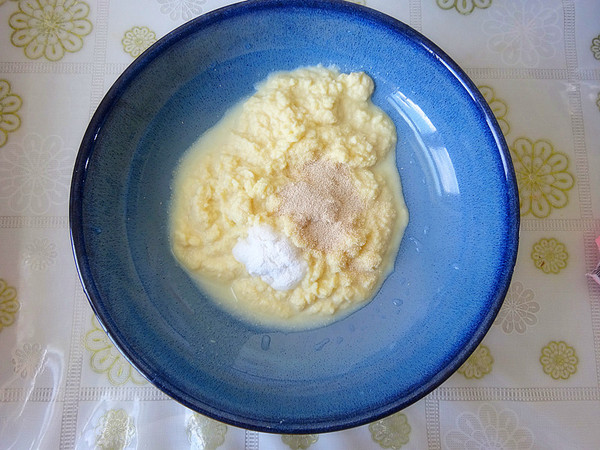
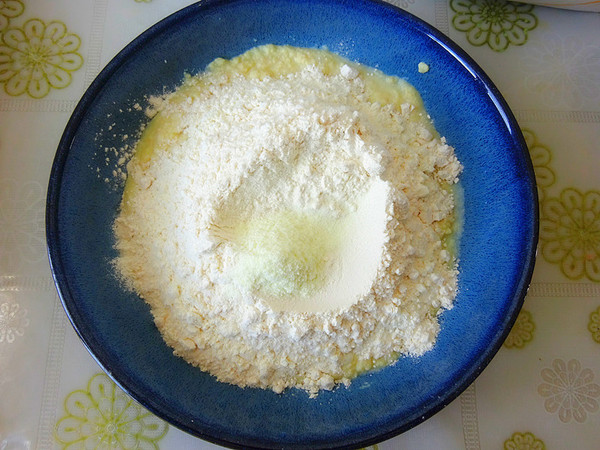
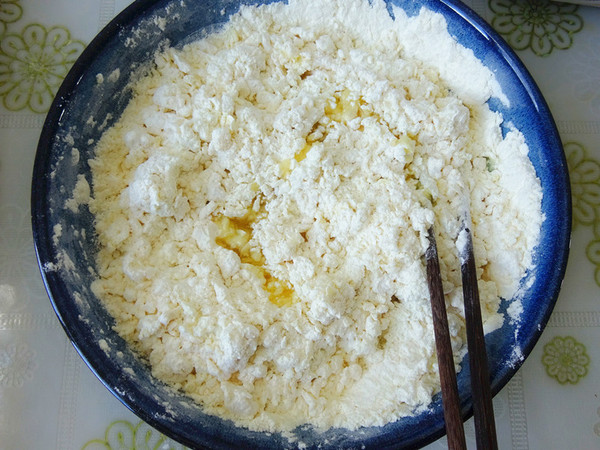
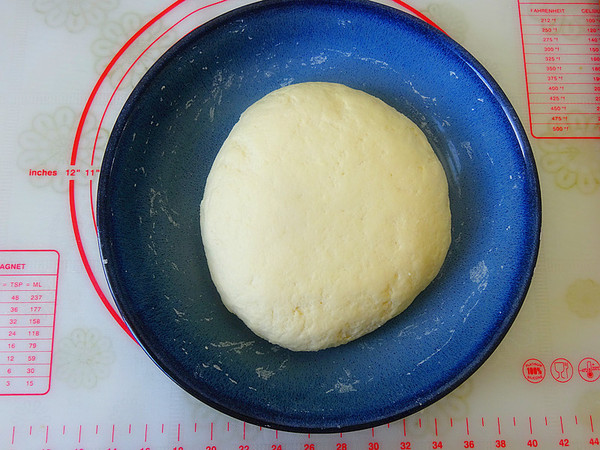
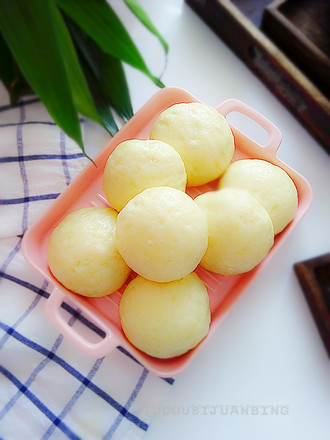
I have used bean dregs to make biscuits and steamed buns. They are all delicious. Today I will share my method of making bean dregs and steamed buns. When drinking soy milk, don’t throw away the bean dregs. Try to make steamed buns. All ages love .
I have used bean dregs to make biscuits and steamed buns. They are all delicious. Today I will share my method of making bean dregs and steamed buns. When drinking soy milk, don’t throw away the bean dregs. Try to make steamed buns. All ages love .
 Buy on JD
 Buy on Amazon