Mini Football Burger
by Looking for Peach Blossom Island
Favorite
Difficulty
Hard
Time
2h
Serving
2
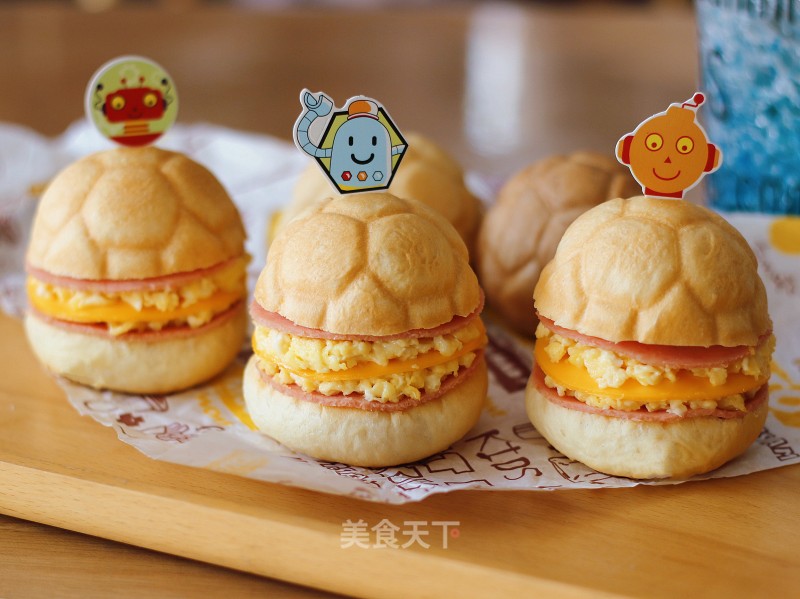
A few days later, it will be Children's Day. This time I made a "mini football burger" for the occasion. The shape is cute and delicious, and the children like it very much. Let's take a look at how to do it next.
The cooked hamburger embryo has the original flavor and does not feel sweet (the sugar is consumed by the yeast during the fermentation process). It is suitable for various fillings and will not conflict between sweet and salty. For example, beef patties, pickled cucumbers, tuna salad, fried eggs, tomato slices, lettuce leaves, etc., the matching sauces can be selected according to personal preference. It can also be eaten as a small meal package alone, with custard sauce + pork floss, it is a delicious pork floss bread.
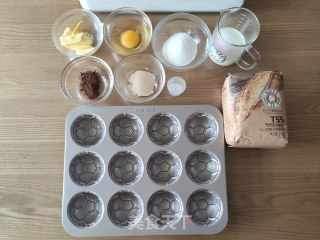
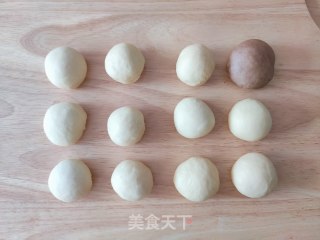
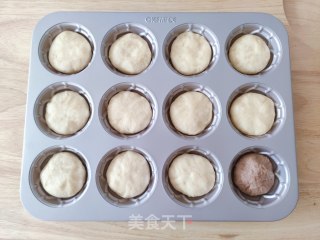
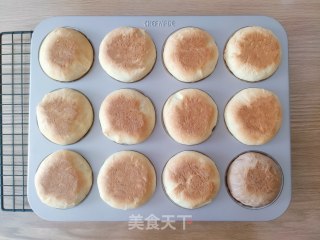
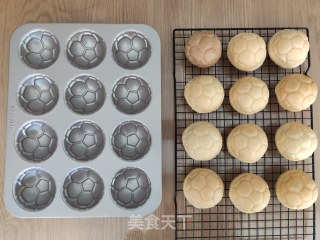
The indicated amount can be used to make 12 consecutive mini football burger embryos, and the mold is a 12-stage non-stick football mold.
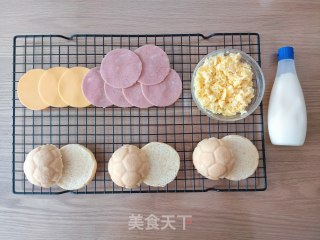
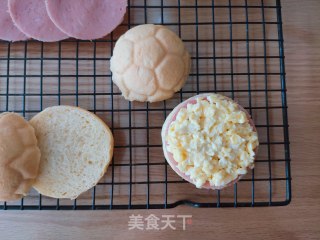
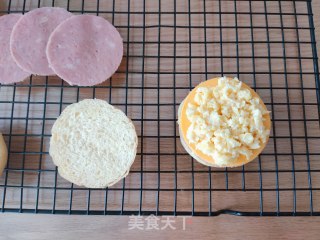
B. Stuffing (can fill 3 mini burgers): a few slices of instant cheese (cheddar breakfast cheese), a few slices of instant ham, 2 hard-boiled or scrambled eggs, 2 spoons of salad dressing. "
The cooked hamburger embryo has the original flavor and does not feel sweet (the sugar is consumed by the yeast during the fermentation process). It is suitable for various fillings and will not conflict between sweet and salty. For example, beef patties, pickled cucumbers, tuna salad, fried eggs, tomato slices, lettuce leaves, etc., the matching sauces can be selected according to personal preference. It can also be eaten as a small meal package alone, with custard sauce + pork floss, it is a delicious pork floss bread.
The indicated amount can be used to make 12 consecutive mini football burger embryos, and the mold is a 12-stage non-stick football mold.
B. Stuffing (can fill 3 mini burgers): a few slices of instant cheese (cheddar breakfast cheese), a few slices of instant ham, 2 hard-boiled or scrambled eggs, 2 spoons of salad dressing. "