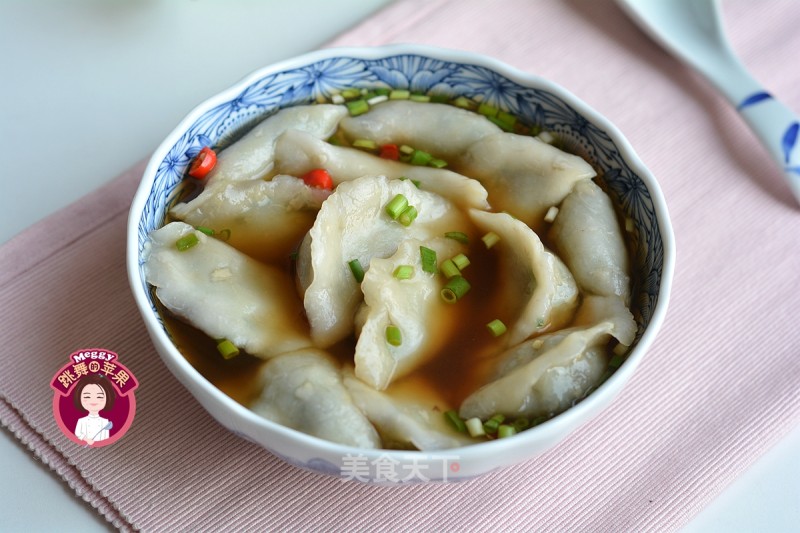
Leek, Sea Rice and Taro Dumplings
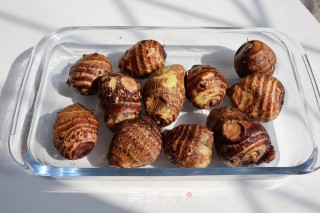
1. Wash the small taro and put it in the steaming dish;
2. Put the taro in the steaming box and steam for 30 minutes at 100 degrees. If you cut the taro in half and steam it, you can shorten the time. It is no problem to use an ordinary steamer without a steaming box. The steaming time depends on the size and firepower of the taro. If the chopsticks can Easily pierce through the thick place, it means that it is fully cooked;
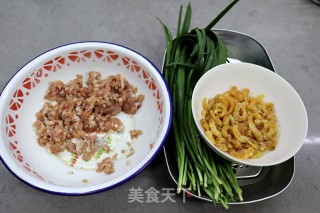
3. When steaming taro, take care of the filling: appropriate amount of pork filling; clean the leeks; rinse the sea rice twice and soak in clear water, not too much water, just dilute the meat filling, the water used for soaking sea rice is very delicious;
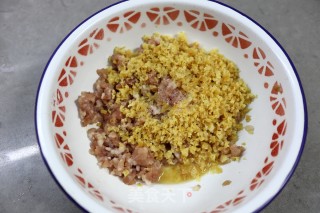
4. Chop the soaked sea rice into minced meat with the water of the soaked sea rice and mix evenly;
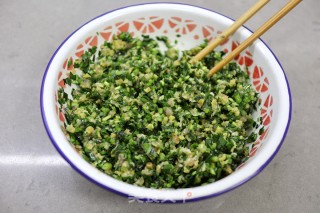
5. Finely chop the leeks and mix them with the sea rice meat. The sea rice is salty, so add the appropriate amount of salt;
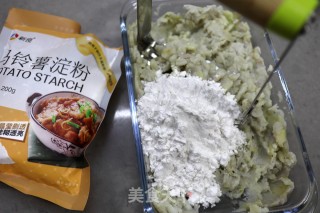
6. The steamed taro is peeled off the skin and pressed with a masher to form a delicate taro mash. Because the taro mash is relatively thin, potato (potato) starch should be added. The water content of the taro mash is different, so add potato starch gradually;
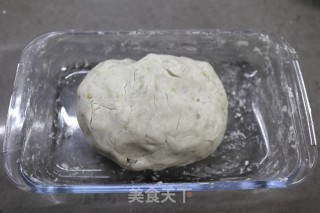
7. The taro mash with potato starch should be kneaded into a relatively dry mass that is not easy to disperse; I roughly weighed it, and 470 grams of raw taro with the skin was steamed and peeled to remove the loss. With potato starch, the total weight is 580 grams. That is, about 140 grams of potato starch is used;
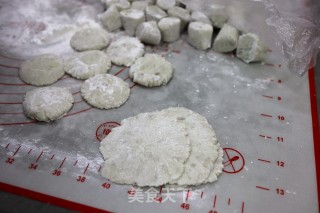
8. Cover the kneaded taro dough with plastic wrap for 20 minutes, sprinkle an appropriate amount of potato starch on the kneading pad, knead the taro dough into long strips, cut into evenly sized pieces, and roll them into almost the same thickness as small round pieces with a little small edges. Sawtooth is fine, it will be neat after pinching;
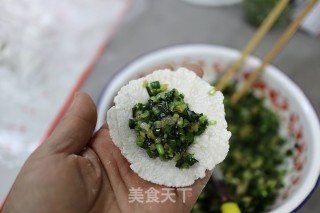
9. Put an appropriate amount of pork, leek, sea rice stuffing on the round skin;
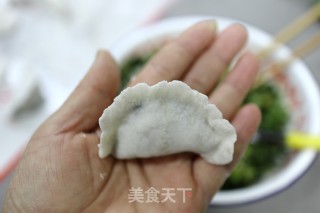
10. Fold the dough in half and squeeze tightly. Because the dough lacks gluten, do not pinch the lace like wheat flour dumplings. You can ensure that the dough will not open and the soup will not leak after kneading; the wrapped taro dumplings should be covered with a fresh-keeping bag to prevent moisture evaporation;
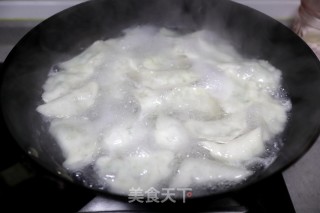
11. Put the taro dumplings in a pot of boiling water and cook them. The standard for judging whether they are cooked depends on visual inspection. The dumplings are all bulging, and the skins are cooked to a transparent shape, and you can fish them out even when you can see the color of the fillings;
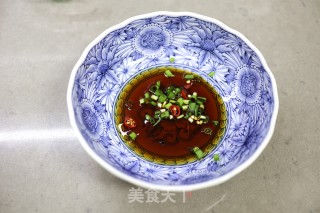
12. When cooking dumplings, prepare a bowl of juice: a little balsamic vinegar, light soy sauce, chopped chives, and a little chili or chili oil for spicy ones
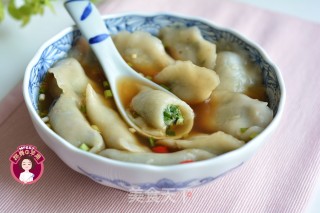
13. Put the cooked taro dumplings and the soup into a bowl, and the soft, tender leek, sea rice and taro dumplings are ready! It is more gluten and smoother than wheat flour dumplings, and has a Q taste.
Tips: 1. The water content of taro is different, so the amount of potato starch added is also uncertain. Add it gradually to form a non-sticky dough; the skin will not be as flexible as wheat flour, so it only needs to be packaged. It is enough to ensure that it is not broken or leaking;
2. When choosing the small taro, the appearance is straight and there is no obvious scar. The hand feels firmer and firmer; it has a lot of weight in the hand, which is more water content, and it is light in the hand, where there is less water. If you eat stir-frying, use the one with more water content. If you cook the dumpling wrapper, use the one with less water content.

 Buy on JD
 Buy on Amazon