Super Easy to Get Started·heart-shaped Garland Tutorial
1. -Props-①Espresso coffee machine Many household espresso coffee machines have steam foaming function. Milk froth can be made directly with this machine, or can be made manually with milk froth cups. This article will introduce the method of steaming milk froth. ②Cappuccino cups are usually used for coffee cups. For ease of operation, beginners recommend using larger-caliber coffee cups. ③ Latte cups Latte cups actually come in various shapes, sizes, and thicknesses, but you should usually choose a latte cup that is several times the size of the milk volume. The shape of the mouth of the cup will affect the flow shape of the milk; the thickness of the cup will also affect the temperature felt by the cup holder's hands. Therefore, it is recommended to use the same garland cup all the time for the skill to be steadily improved.
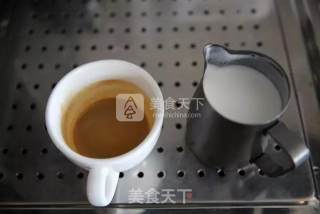

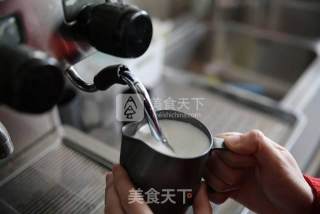
2. -Making articles-A to CA. Making espresso: The standard amount of espresso per serving is usually 30ml, and the amount of coffee powder required is about 10g. After the coffee powder is ready, you can start the espresso special machine to make it. B. Making milk foam: ①Open the steam nozzle once to remove the residual water vapor in the nozzle.
3. ②Deeply insert the steam nozzle into the milk in the etched cup and turn on the steam. When the steam is sprayed, slowly move the nozzle up to a shallower position in the milk to increase contact with the air.
4. ③When it is almost finished, move the nozzle down a bit further to adjust the overall fine density of milk foam. ④ After foaming, tap the bottom of the garland cup on the table a few times to remove larger bubbles. Then gently shake the garland cup in a circle to make the overall texture of the milk foam even.
5. C. Heart-shaped garland steps: ① One hand holds a coffee cup that has been poured into a single espresso, and slightly tilts toward yourself; one hand holds a garland cup, pour milk froth into the cappuccino cup from a higher position .
6. ②As the liquid level in the cup gradually rises, gradually bring the mouth of the garland cup closer to the liquid level.
7. ②As the liquid level in the cup gradually rises, gradually bring the mouth of the garland cup closer to the liquid level.
8. ③When the milk starts to surface, use the strength of your wrist to gently and regularly shake the garland cup from side to side to expand the milk on the liquid surface.
9. ④When the surface milk part is large enough, use the garland cup mouth to continue pouring milk while pulling it from the middle.
10. ⑤Be careful to gradually tilt the mouth of the garland cup when you pull it over, and the milk that flows out will become thinner. Finally, lightly pull out a thin tip to close the cup neatly.

Tips: -Tips: Pay attention to milk froth-
◇Whole milk is recommended for milk. The flavor of low-fat or skimmed milk is not strong enough, and the foaming state may not be good enough.
◇A cup of traditional cappuccino, usually the ratio of espresso to warm milk and milk foam is 1:1:1, so 30ml of espresso needs to be matched with about 60ml of warm milk and milk foam. Latte cappuccino needs to fill the entire coffee cup, so the ratio of milk and milk foam should be slightly increased according to the actual capacity of the coffee cup. If it is the size of the coffee cup in the picture, a single espresso (30ml), it is recommended to use 120ml—150ml of milk to make milk foam.
◇Use refrigerated milk for frothing, because the milk will gradually heat up during the steam frothing process. If the initial temperature is too high, the final frothing quality will be poor.
◇The foamed milk should be dense, delicate and shiny. If the thickness of the milk foam is different, it will not be able to draw a contrasting pattern, and it will not be well integrated with espresso, which will eventually affect the overall taste.
◇When the steam is foaming, if the steam nozzle is always close to the milk surface, it will easily produce excessive milk foam, which is not conducive to uniform texture. Therefore, it is also very important to properly adjust the height of the steam nozzle in the milk.