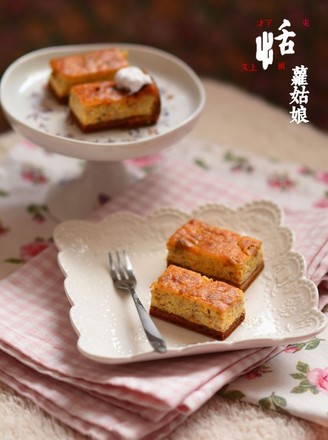
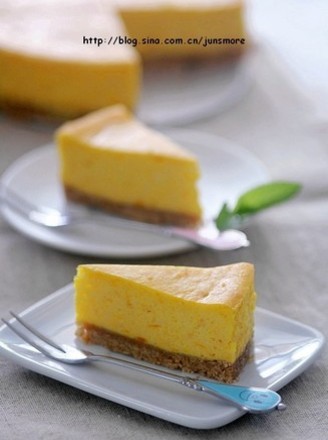
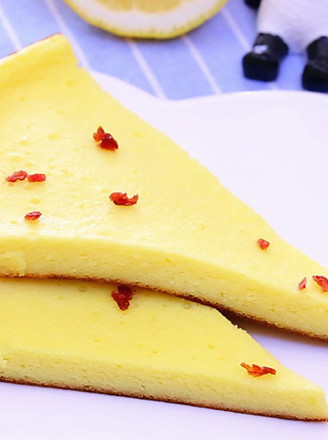
Light Cheesecake
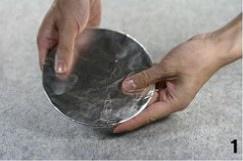
1. You can use a solid bottom mold or a live bottom mold to make this cake. If it is a live bottom mold, you can take out the live bottom and wrap it with tin foil, so that the whole cake can be demoulded. If it is a fixed bottom mold, you can put a piece of oil paper or tin foil of a suitable size on the bottom
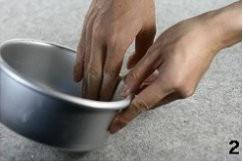
2. Spread a layer of softened butter on the walls of the cake mold
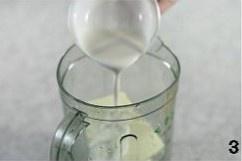
3. After taking the cream cheese, whipped cream, and yogurt out of the refrigerator, they are directly weighed and put into the cooking cup of the food processor, and beaten with the food processor to a smooth and particle-free state. (When making this step, you can also leave the cream cheese at room temperature until it is relatively soft, then add whipped cream and yogurt until smooth with a whisk. But it takes a long time, and it will take a long time to refrigerate afterwards. )
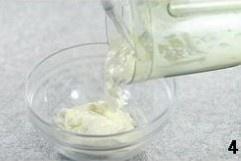
4. After the cheese is beaten with a food processor, pour it into a large bowl
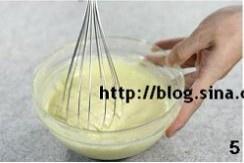
5. Add two egg yolks to the cheese paste and beat them evenly with a whisk
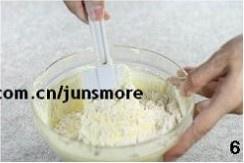
6. Sift the low-gluten flour into the cheese paste and mix well with a rubber spatula
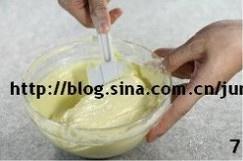
7. Stir until the flour and cheese paste are completely mixed, and put the stirred cheese paste in the refrigerator to chill. (If the cream cheese is softened at room temperature and then whipped until it is smooth, the cheese paste may be thinner when this step is done, and it needs to be refrigerated for a long time until it becomes thick again before proceeding to the next step. If the cream cheese is whipped with a food processor, it does not need to be refrigerated for so long.)
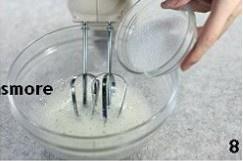
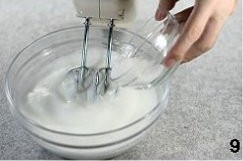
8. Next, let the egg whites go. When the egg whites are beaten to the shape of fish-eye bubbles with a whisk, add 1/3 of the sugar and continue to beat
9. Beat the egg whites to a thicker state, then add 1/3 of the sugar. When you hit the surface until lines start to appear, add the remaining 1/3 of the sugar. Until the egg whites are blown to the point where they are close to rigid foaming. (Do not hit hard foam)
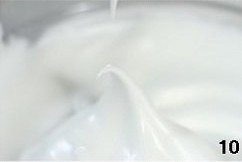
10. After the beaten egg whites are lifted, pull out a pointed corner. The tip of the horn is slightly curved. This state is fine
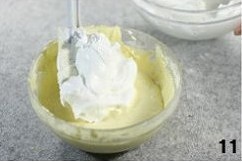
11. Take the cheese paste out of the refrigerator. The cheese paste should be relatively thick at this time. Dig 1/3 egg whites into the cheese paste
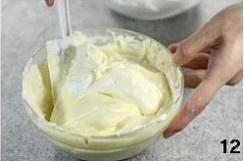
12. Mix the egg whites and cheese paste with a rubber spatula. Pay attention to the method of mixing: stir up from the bottom. Never stir in a circular motion, otherwise the beaten egg will defoam severely, which will directly cause the cake to shrink or collapse, or even fail to expand.
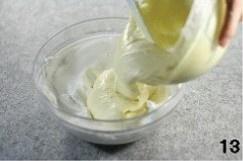
13. After mixing the egg whites and cheese paste, pour them all back into the egg white bowl
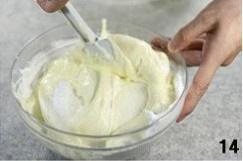
14. Continue to mix the egg whites and cheese paste with a rubber spatula. Remember, don’t stir in circles
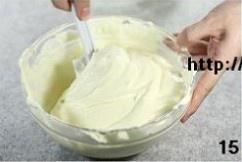
15. The mixed cake batter should be very thick and delicate. If it is too thin or there are many small bubbles, the cake will definitely be unsuccessful
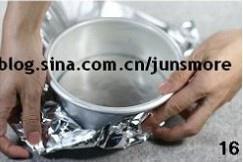
16. If it is a live-bottom cake mold, you need to wrap the bottom with tin foil to prevent water from entering the bottom during the next step of water bath baking. If it is a fixed mold, you can omit this step
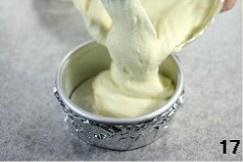
17. Pour the mixed cake batter into the cake mold
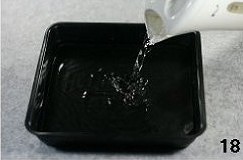
18. Fill the bakeware with water, about 3cm in height
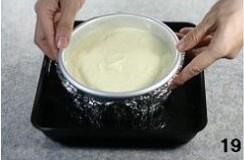
19. Put the cake mold in the baking tray (directly in the water), put the baking tray in the lower layer of the preheated oven, and bake for 1 hour to 70 minutes at 160 degrees. Until the skin is evenly colored, the cake is completely solidified, and when there is no flow feeling when pressed by hand, it can be out of the oven
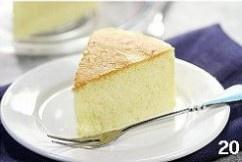
20. Cakes just out of the oven are fragile, so don't demould them immediately. Wait for it to cool naturally before demolding (don't cool down like a chiffon). Put it in the refrigerator, chill for more than 4 hours, then cut into pieces

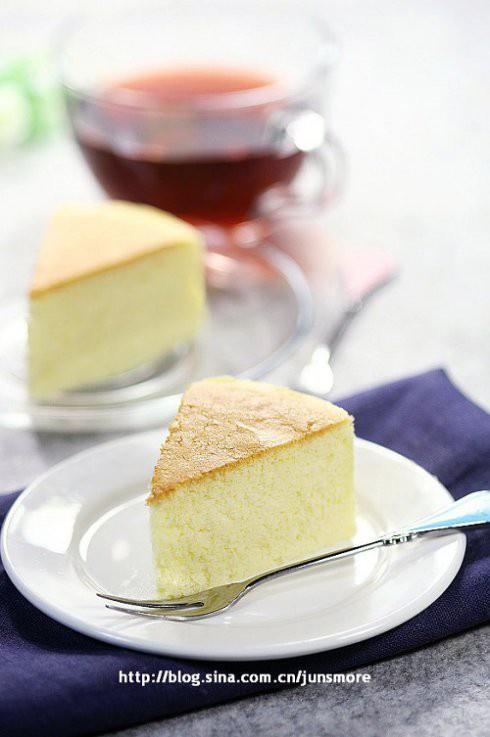
Tips: 1. To make light cheesecake, the key is that the cheese paste must have a certain consistency, so that it can be easily mixed with the egg whites. Otherwise, the egg whites will easily defoam during mixing, and the cheese will easily sink to the bottom. The cheese paste will only show consistency at a refrigerated temperature, so if you put the cream cheese at room temperature to soften and then whipped it into a cheese paste, you must refrigerate for a longer period of time to make the cheese paste thick. (So I recommend using a food processor, which can save a lot of time).
2. There are many recipes for light cheesecakes with lemon juice. But the cream cheese itself is a kind of sour cheese, and the yogurt in the ingredients also has a certain acidity, so there is no need to add lemon juice to this cake. I have also tried adding lemon juice to this cake. For me, the taste is not as sweet as not adding it.
3. Because the flour content of light cheesecake is very small, it depends on the supporting force of the egg after solidification, so it is normal for the cake to shrink slightly after cooling. As long as there is no cracking, no pudding layer and large holes, and no serious impact on the appearance, it will be harmless.
4. Light cheesecake needs to be baked in a water bath, otherwise it will easily crack and the skin will be dry and hard. The cake must be completely cooked, otherwise the inside is too wet and soft, and it will be difficult to cut it. The way to judge whether the cake is baked is to press the surface of the cake lightly with your hands, and there is no sense of flow, generally it is almost the same.
5. The freshly baked cake is very tender and soft, please refrigerate it for at least 4 hours before eating, it tastes better.
6. Can other cheeses be substituted for cream cheese? In theory it is possible. For example, the most common cheddar cheese can also be used to make cheesecakes. However, different cheeses have different degrees of hardness. Some cheeses may need to be heated and stirred for a long time to soften, and it will condense into lumps if you are not careful, making it difficult to handle. Cream cheese is soft and delicate, so it is the best choice for making cheesecakes.

 Buy on JD
 Buy on Amazon