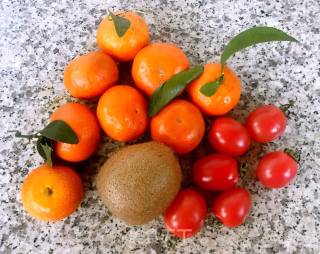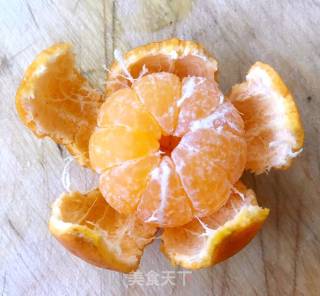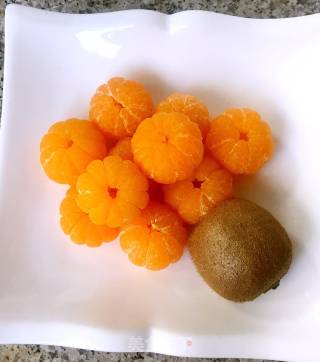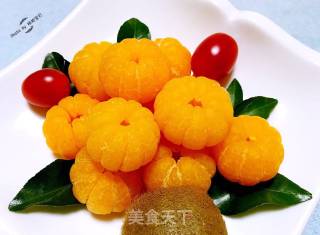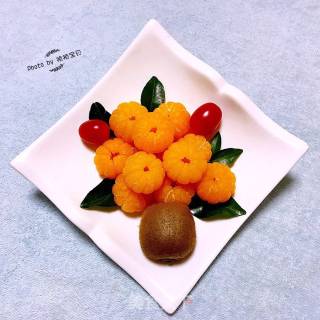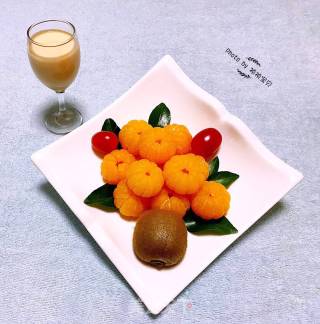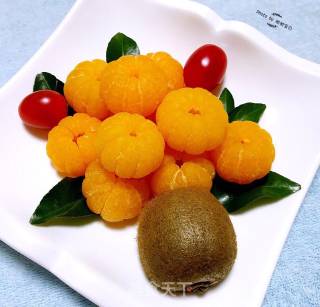

#花样美食#orange Blossoms are in Full Bloom
by Zhenzhen Baby
Favorite
Difficulty
Normal
Time
10m
Serving
2
Both tangerines and tangerines belong to the broad-skinned citrus of the genus Rutaceae. The fruit has a thick skin and contains crumbs, composed of sap and seeds. Li Shizhen recorded in "Compendium of Materia Medica·Fruit": "The orange is small, its petals are slightly vinegar (that is, sour), its skin is thin and red, and its taste is pungent and bitter; the orange is larger than the orange, its petals are more tangy, and its skin is slightly Thick and yellow, the leaves are pungent and sweet." Generally speaking, the fruit shape of an orange is round, yellow-red, and the skin is tight and not easy to peel. It is juicy and sweet; the fruit shape of an orange is oblate, red or yellow, with thin and thin skin. Smooth and easy to peel, taste slightly sweet and sour. Although there is a difference between tangerines and tangerines, they are often used interchangeably in everyday language. For example, Guang tangerines also say Guang tangerines, and tangerines also say mikans. "