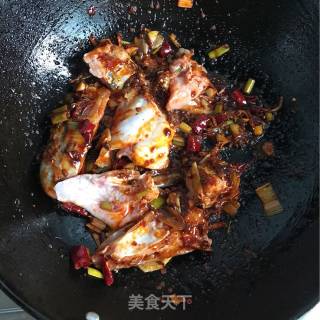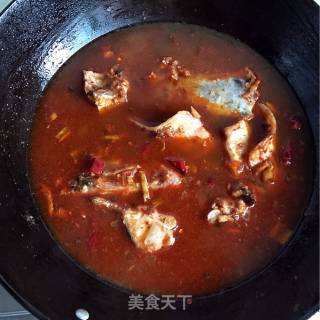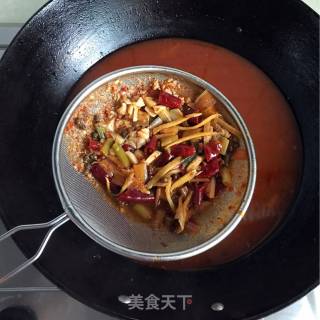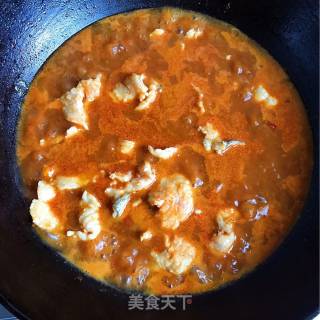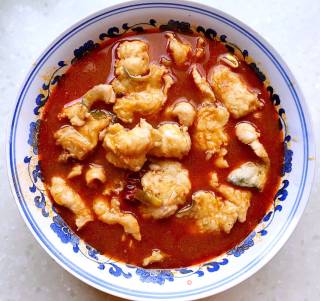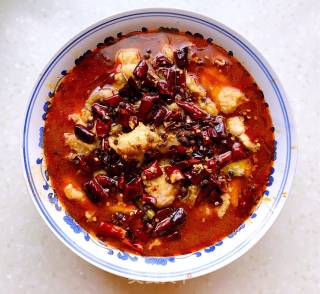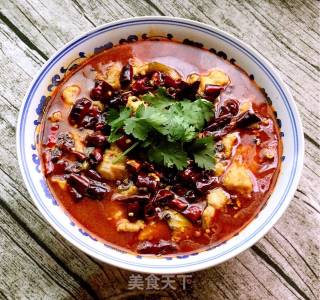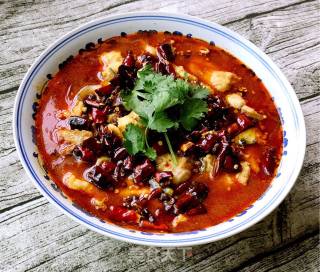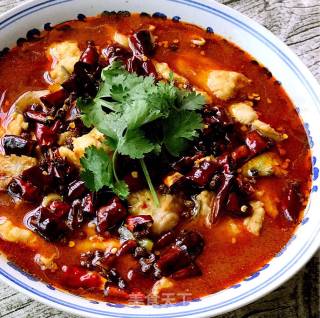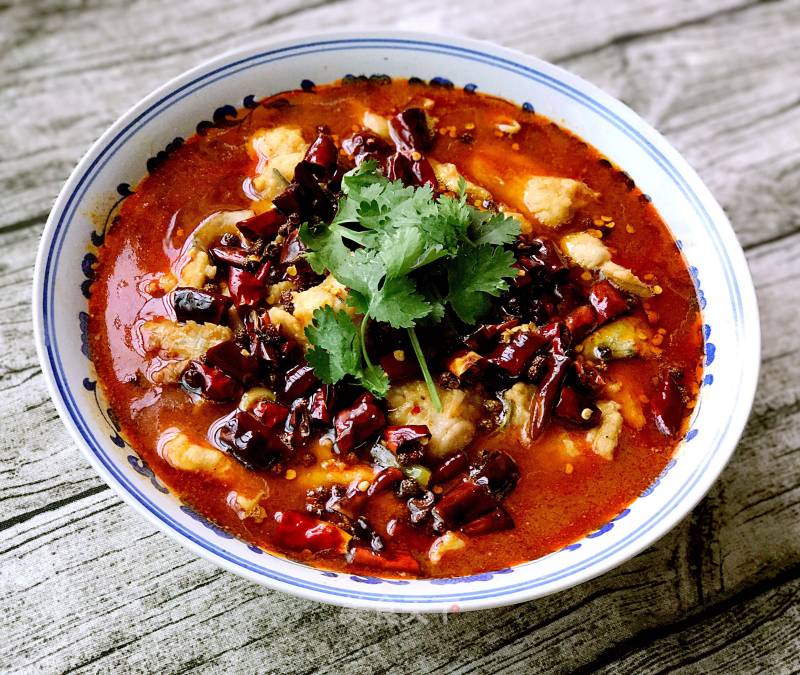

Boiled Jiang Tuan
by Daughter of heaven
Favorite
7
Difficulty
Easy
Time
20m
Serving
2
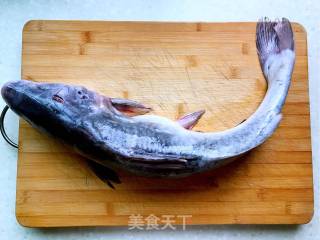
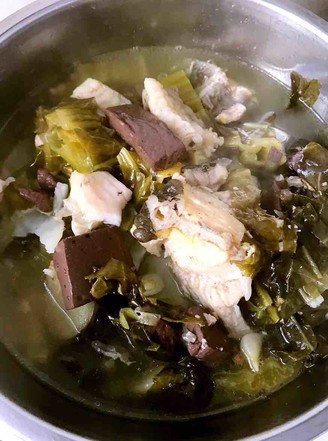
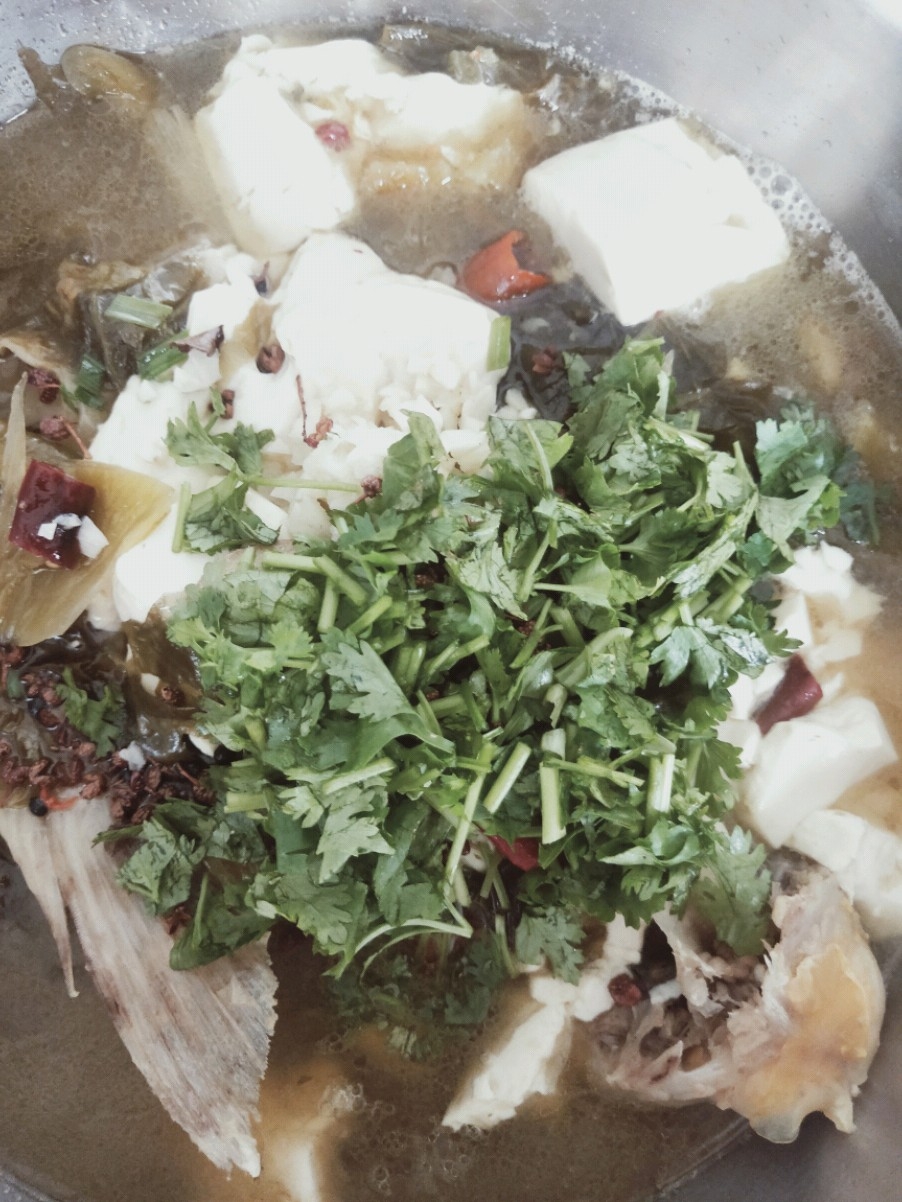
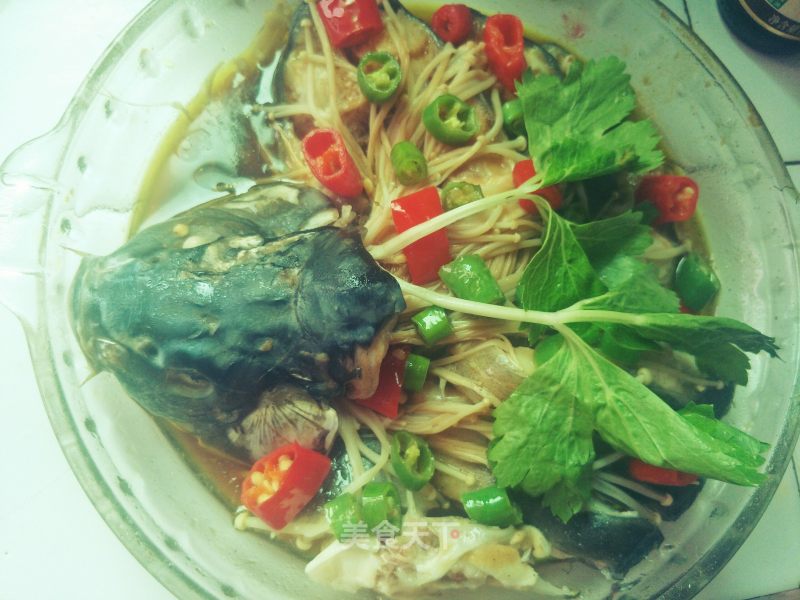
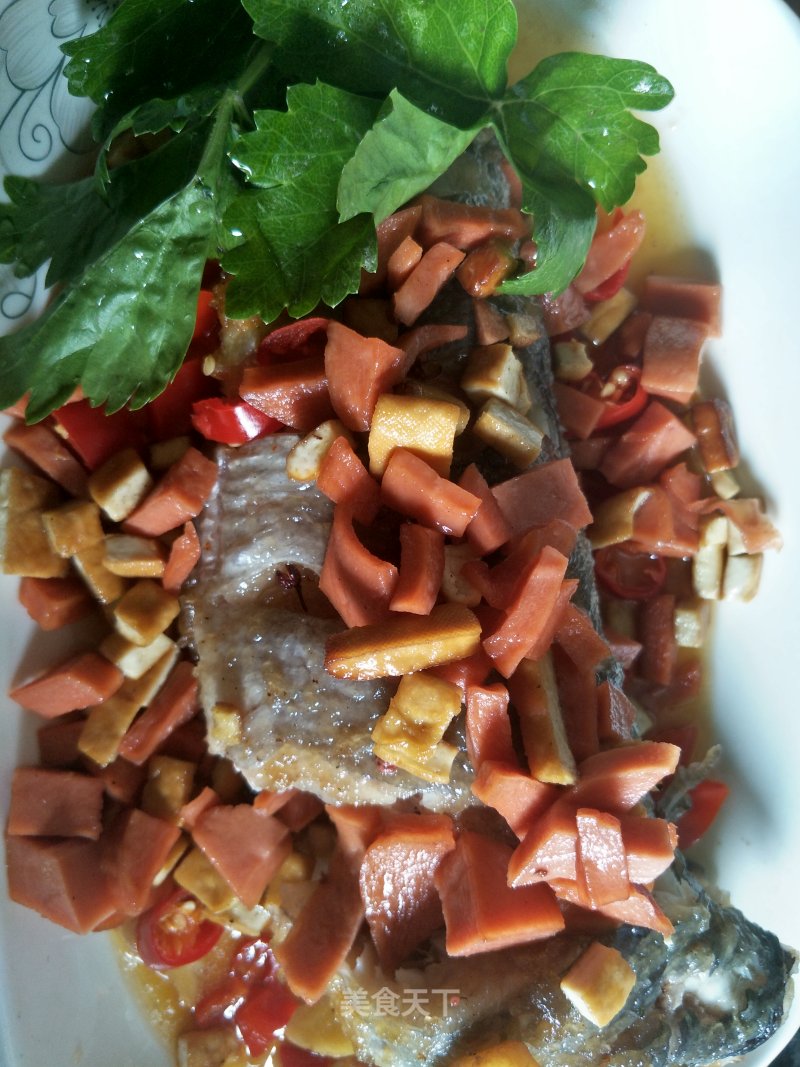
Jiang Tuan is also known as catfish. Catfish have different names in different places. Shanghai is called "catfish", Sichuan is called "Jiang Tuan", and Guizhou is called "Xiyu". Jiang Tuan is also a carnivorous fish. The main food is small fish and aquatic insects. It grows fast. It is the largest fish of its kind. The largest individual can reach 15 kilograms, and the common ones are 2-4 kilograms. Its meat is tender and delicious, rich in fat, and without spines. It is known as the top grade freshwater edible fish.
Jiang Tuan meat is tender and smooth, rich in nutrition. It has the characteristics of thick meat with few thorns, fat texture, white as fat, fresh, tender, smooth, refreshing, and waxy, so it does not need to add too many auxiliary materials to its cooking, and it can be cooked in a short time to make the fish taste delicious Naturally exudes. There are many ways to cook Jiang Tuan, such as boiled Jiang Tuan, white sauce Jiang Tuan, steamed Jiang Tuan, braised Jiang Tuan, Lujiang Tuan fish soup, stewed Jiang Tuan, sliced fried Jiang Tuan fish, etc., especially the "boiled Jiang Tuan" The "Jiang Tuan" approach best reflects the original flavor of Jiang Tuan fish.
Su Dongpo once wrote a poem to praise it: "The pink stone head is still boneless, and the snow-white puffer fish does not medicine people." The poem tells the special features of catfish: the meat is white and tender, the skin is plump, and it has the deliciousness of puffer fish and crucian carp, without the toxin of puffer fish and the thorns of crucian carp.
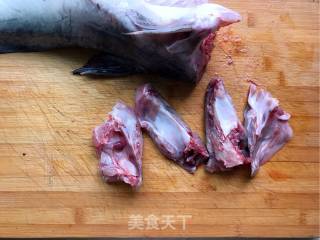
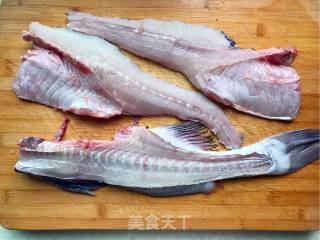
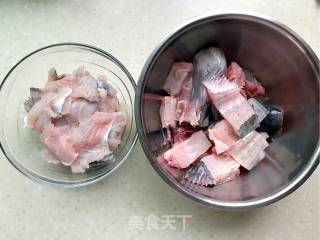
The Jiang Tuan I bought this time was more than 3 jin, so I divided it twice. "
Jiang Tuan meat is tender and smooth, rich in nutrition. It has the characteristics of thick meat with few thorns, fat texture, white as fat, fresh, tender, smooth, refreshing, and waxy, so it does not need to add too many auxiliary materials to its cooking, and it can be cooked in a short time to make the fish taste delicious Naturally exudes. There are many ways to cook Jiang Tuan, such as boiled Jiang Tuan, white sauce Jiang Tuan, steamed Jiang Tuan, braised Jiang Tuan, Lujiang Tuan fish soup, stewed Jiang Tuan, sliced fried Jiang Tuan fish, etc., especially the "boiled Jiang Tuan" The "Jiang Tuan" approach best reflects the original flavor of Jiang Tuan fish.
Su Dongpo once wrote a poem to praise it: "The pink stone head is still boneless, and the snow-white puffer fish does not medicine people." The poem tells the special features of catfish: the meat is white and tender, the skin is plump, and it has the deliciousness of puffer fish and crucian carp, without the toxin of puffer fish and the thorns of crucian carp.
The Jiang Tuan I bought this time was more than 3 jin, so I divided it twice. "
 Buy on JD
 Buy on Amazon