Boiled Lard
1. The lard boiled in the winter solstice will not melt if stored at room temperature until summer. 😊
2. Stir-fried vegetables or make soup with a spoonful of lard and stir-fry dishes are particularly fragrant. 😊
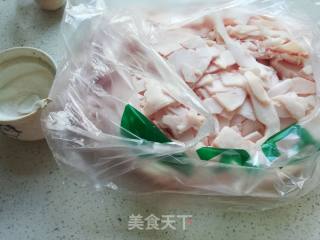
3. The ingredients are ready.
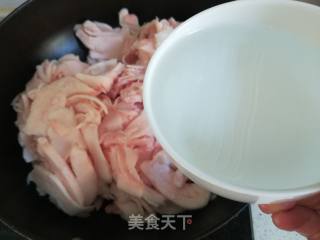
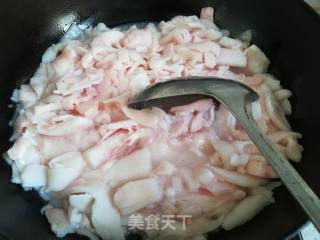
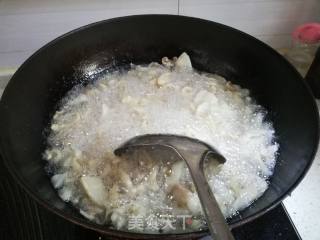
4. Put the fat in the pot and add a small bowl of water.
5. Remove the fat and boil until the water boils.
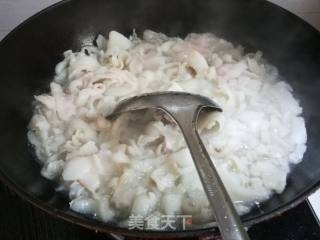
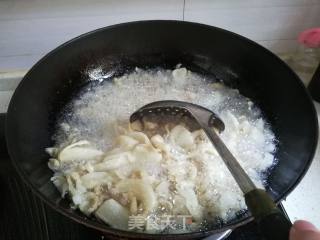
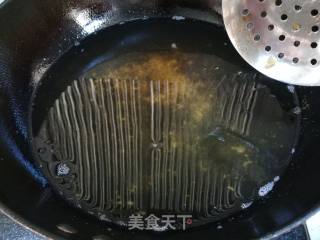
6. Use a colander to turn over the bottom of the pot to prevent sticking to the pot.
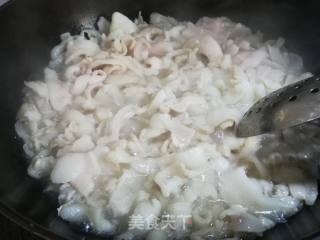
7. During the cooking process, water evaporates to prevent scalding.
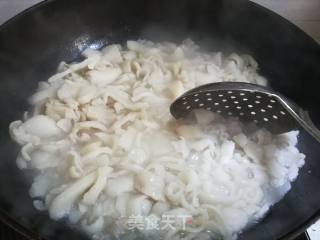
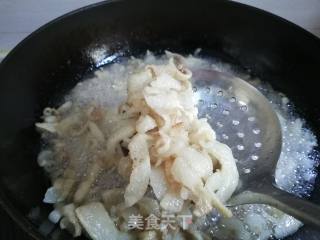
8. Frying slowly penetrates and turns yellow in color.
9. Look at the color to turn yellow, then turn to low heat and boil it slowly.
10. Simmer for ten minutes on low heat and adjust according to the color.
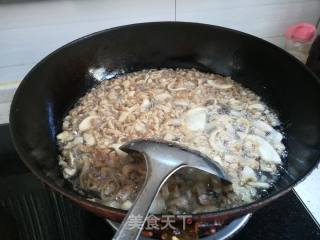
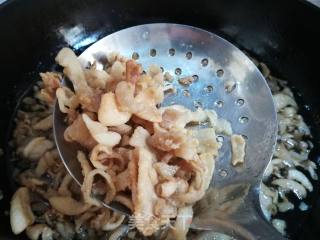
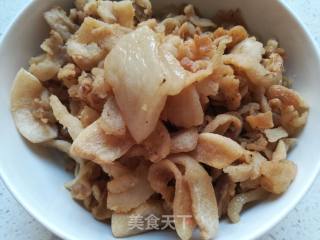
11. Take a look at the oil residue. Those who like to eat oil residue can boil it to this level.
12. I like the smell of pork when I boil it older.
13. Don't get through it. Finally, you must have a small fire to avoid that the fire is too big and the oil residue will zoom and destroy the taste and composition of the oil. The whole process does not need to cover.
14. Leak clean oil residue.
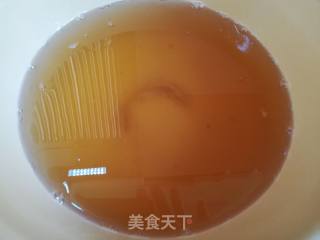
15. Pour into a container, cover and store at room temperature after cooling.
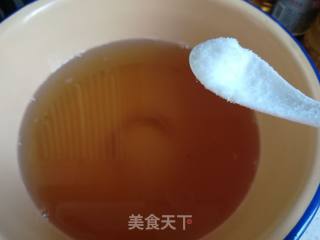
16. Lard is easy to go bad in hot weather. When the boiled oil is not condensed, add salt and stir, it can be stored for a long time without deterioration.
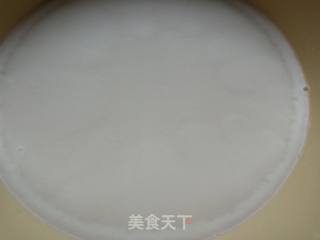
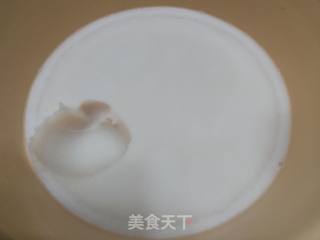
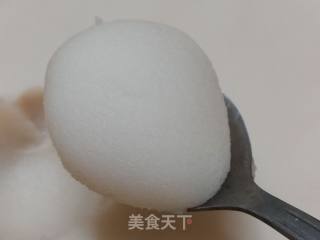
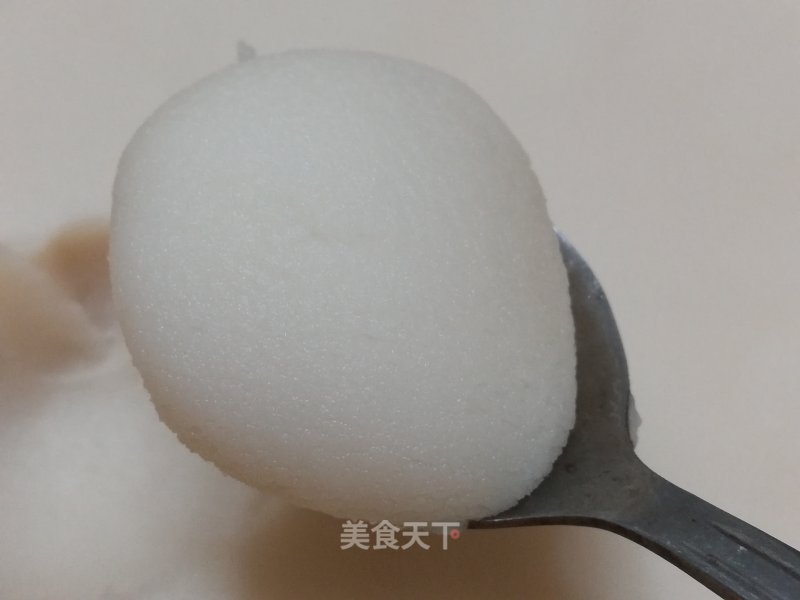
17. White as jade, it is the most fragrant to make lard bibimbap😊
18. The oily residue is delicious when sprinkled with salt or sugar while it is hot.
Tips: 1. Adding water is to prevent the meat from being suddenly heated and zooming. The lard cooked in this way becomes whiter and more fragrant after cooling.
2. After the fat has turned yellow, be sure to turn to the lowest heat and simmer slowly.
3. Turn the heat to low after the fat has turned yellow to avoid that the fire is too big and the oil residue will zoom and destroy the taste and composition of the oil. The whole process does not need to cover.
4. After all the oil residue is removed, turn off the fire to prevent the oil residue from absorbing too much grease.

 Buy on JD
 Buy on Amazon