Little Tomato Enzyme
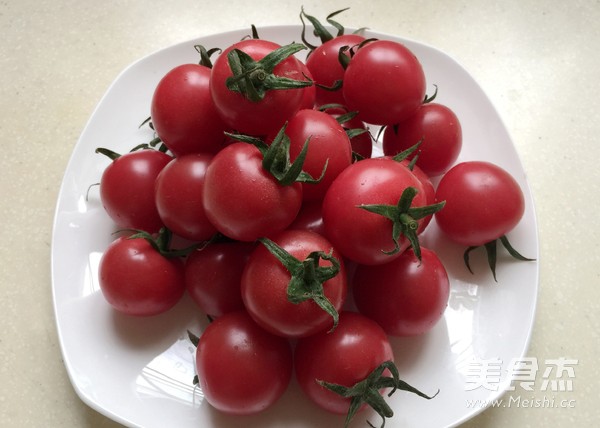
1. Prepare 250 grams of small tomatoes.
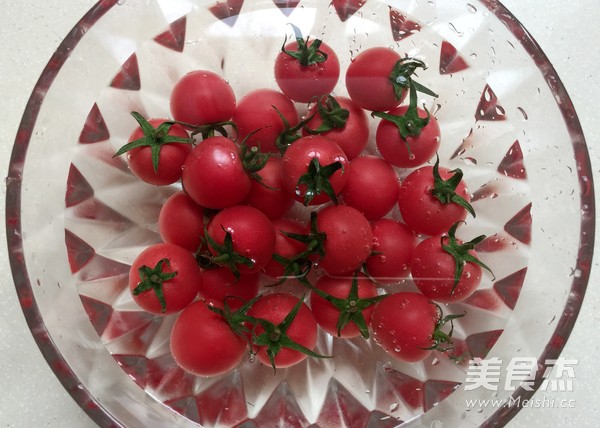
2. Wash the small tomatoes and soak them in light salt water for 10 minutes.
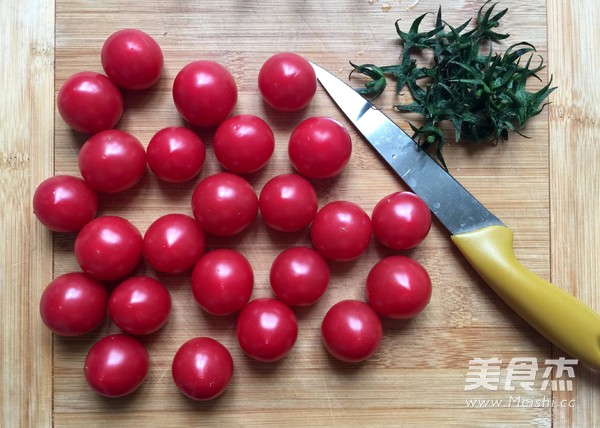
3. Pour out the light salt water, rinse again with clean water, remove the roots and place them on the cutting board to dry.
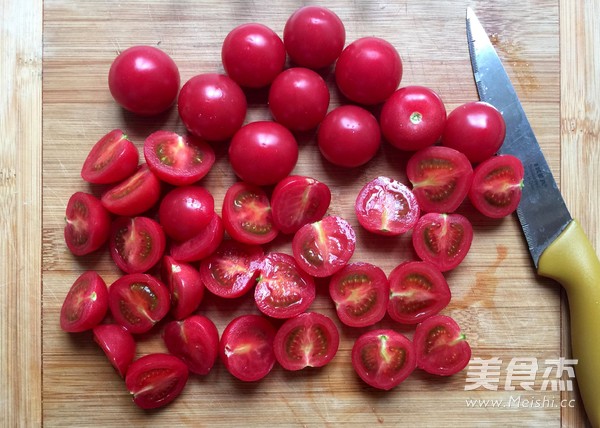
4. Cut the small tomatoes in half.
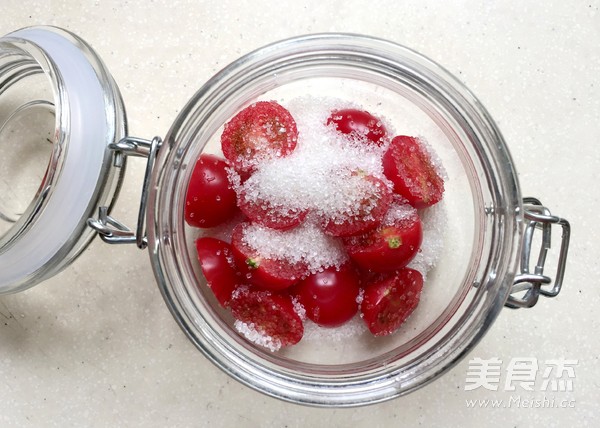
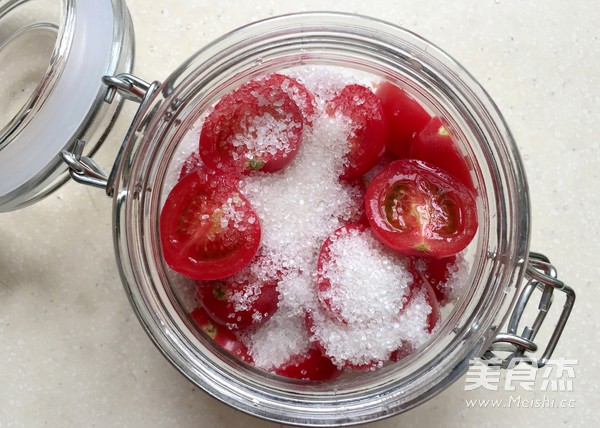
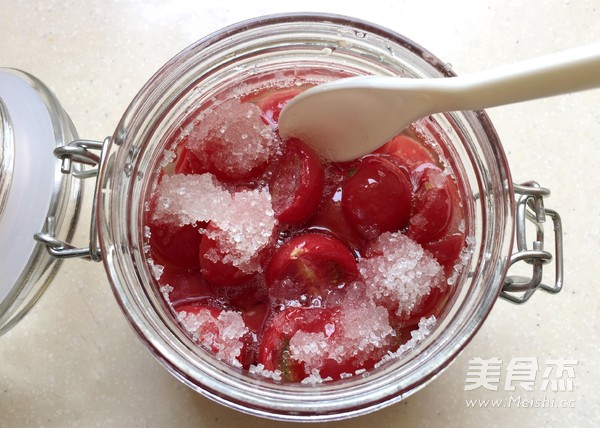
5. Take a water-free and oil-free sterilized bottle, put a layer of small tomatoes underneath, and cover with a layer of sugar.
6. Put another layer of small tomatoes and cover with a layer of sugar, and repeat until the tomatoes are used up.
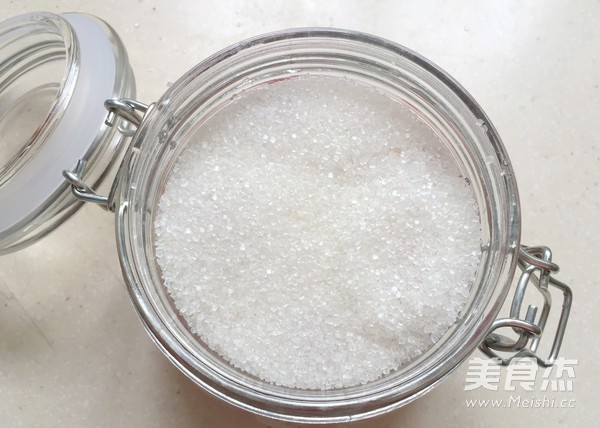
7. Cover the top with a thick layer of sugar.
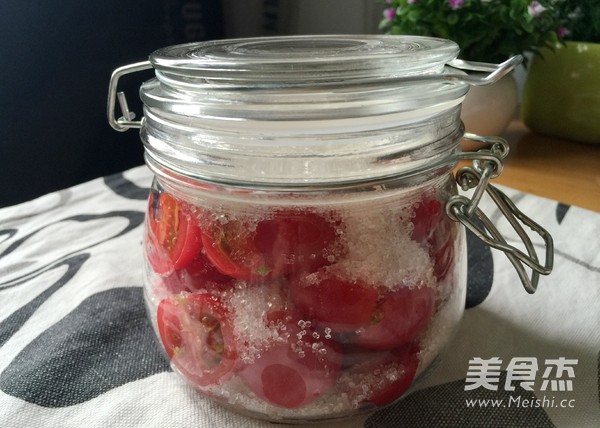
8. Cover the lid gently, without putting it tightly, and place it in a cool and dry place to let it ferment.
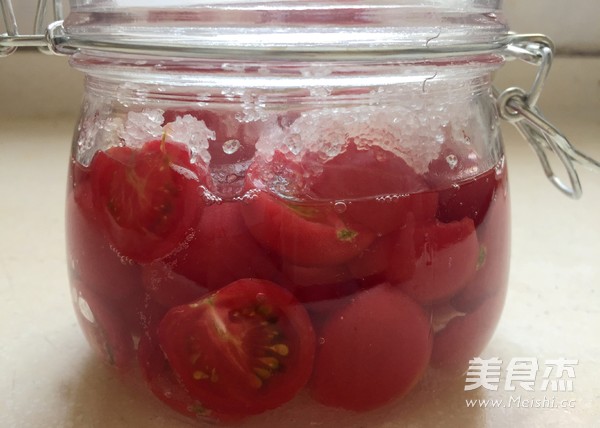
9. The next day, the little tomatoes had already produced a lot of juicy water.
10. Open the lid and stir with a clean spoon, ventilate and then cover (from now on, ventilate and stir once or twice a day)
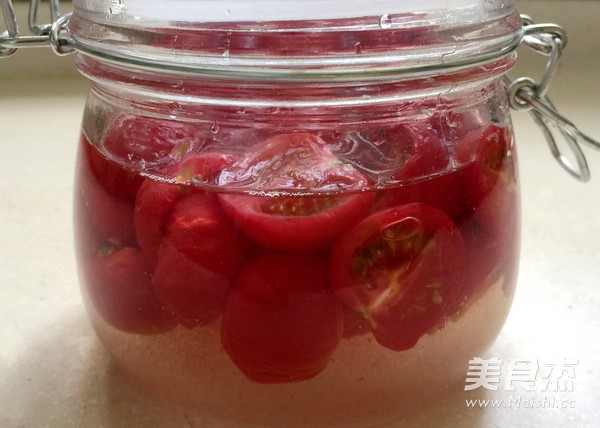
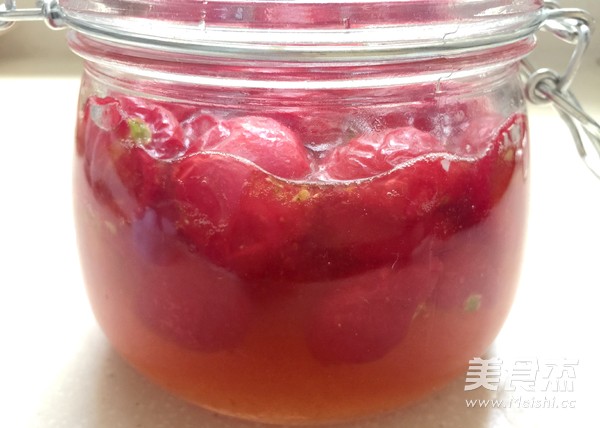
11. On the third day, the sugar had all melted, and the little tomatoes began to float.
12. On the fourth and fifth days, the flesh of the small tomatoes began to shrink and become wrinkled, and you could smell the fermentation after opening the lid.
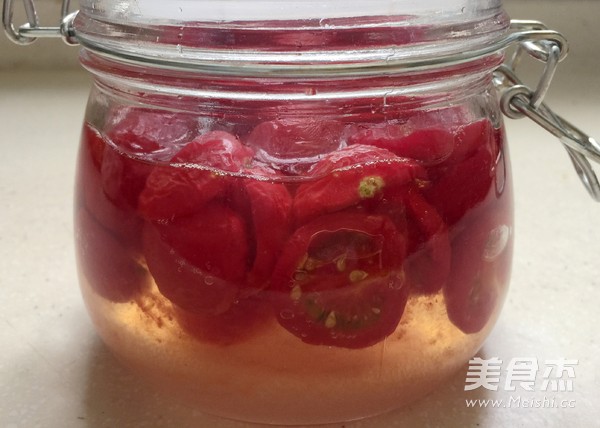
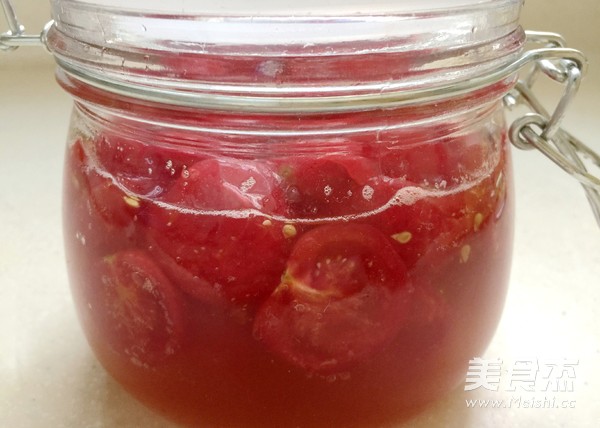
13. On the sixth and seventh days, the color of the juice began to turn red, and it was fermenting normally.
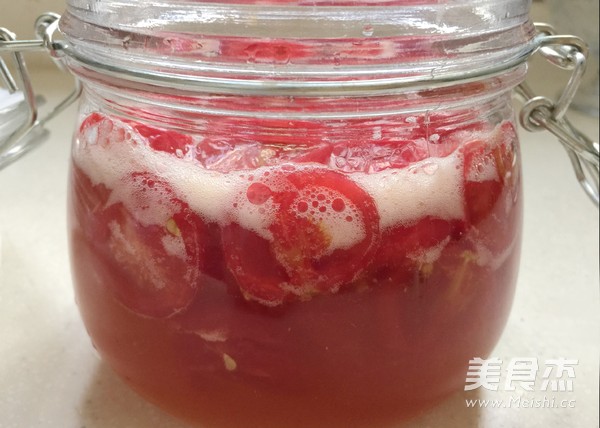
14. On the eighth and ninth days, the juice became thicker and darker, and bubbles began to form.
15. On the tenth day, a lot of bubbles are produced and the fermentation can be over. (The above is the fermentation process I recorded this time. Depending on the temperature of the season, the time used will vary.)
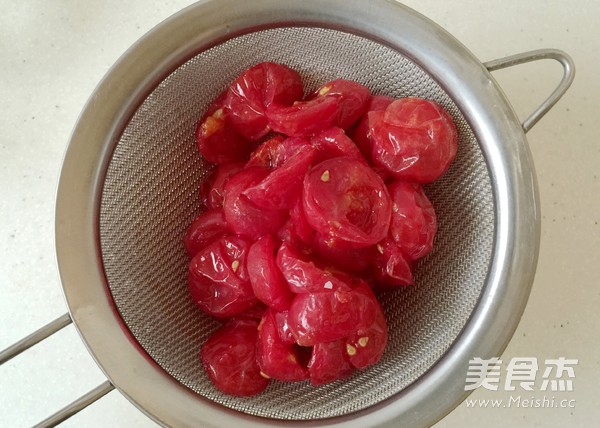
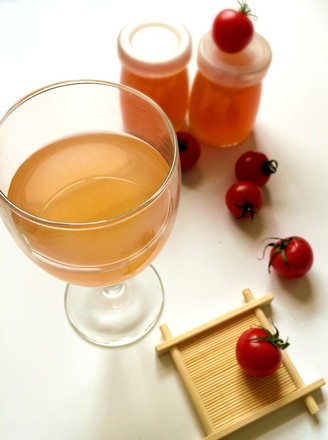
16. Filter out the small tomato pulp, put the prepared enzyme in the refrigerator for storage, and mix four to six times the amount of water for drinking.
Tips: 1. The utensils used to make enzymes must be disinfected, and the production environment and production process must be clean and hygienic.
2. Ventilate and stir once or twice a day to keep the surface moist, otherwise the flesh will easily become moldy.
3. A high-sugar environment can inhibit the growth of mold. If mold plaque or "alcohol smell" appears, such fruit enzymes have deteriorated and cannot be eaten.
4. The time used is different according to the temperature of the season.
5. Drink 30ml with 4 to 6 times of water on an empty stomach, and the temperature of the blended water should not exceed 40 degrees, preferably cold boiled water or purified water.

 Buy on JD
 Buy on Amazon