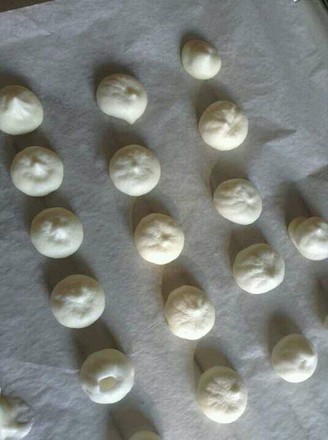

Meringue
by Light Apple on Newton's Head
Favorite
Difficulty
Easy
Time
1h
Serving
1
Meringue, white in color, small in shape and sweet in taste, it is suitable for a small test.
1. It is recommended to seal and dry it immediately after baking. If conditions permit, you can choose to seal it and refrigerate it. Otherwise the meringue will easily become sticky.
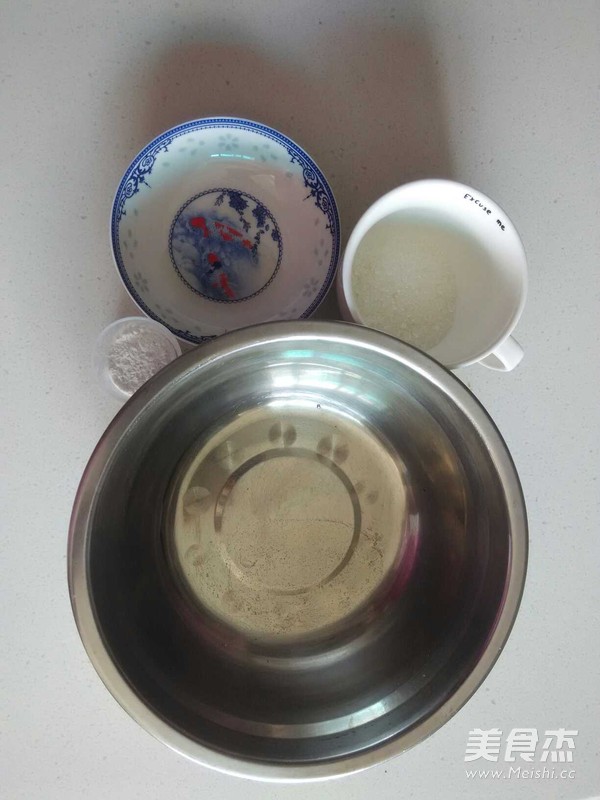

2. It is recommended to seal and dry it immediately after baking. If conditions permit, you can choose to seal it and refrigerate it. Otherwise the meringue will easily become sticky.
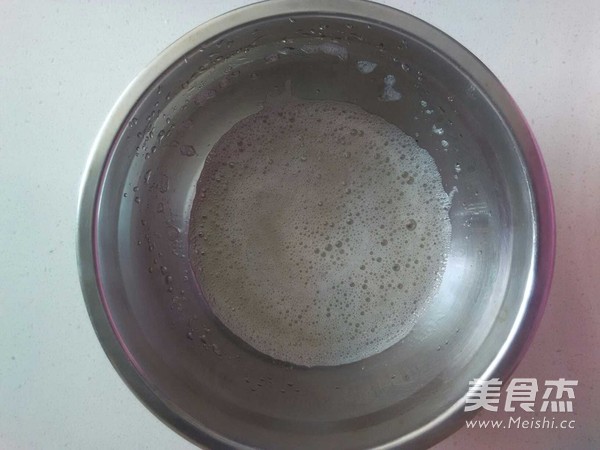

3. It is recommended to seal and dry it immediately after baking. If conditions permit, you can choose to seal it and refrigerate it. Otherwise the meringue will easily become sticky.
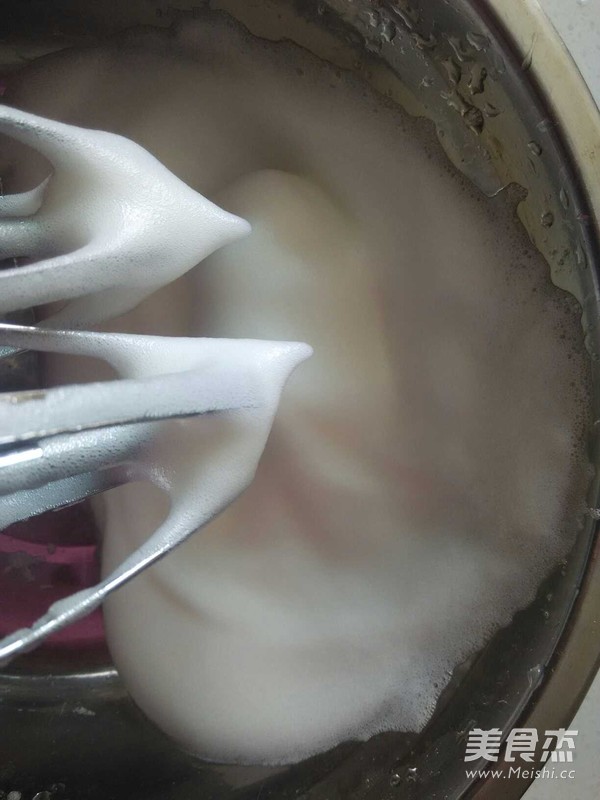

4. It is recommended to seal and dry it immediately after baking. If conditions permit, you can choose to seal it and refrigerate it. Otherwise the meringue will easily become sticky.
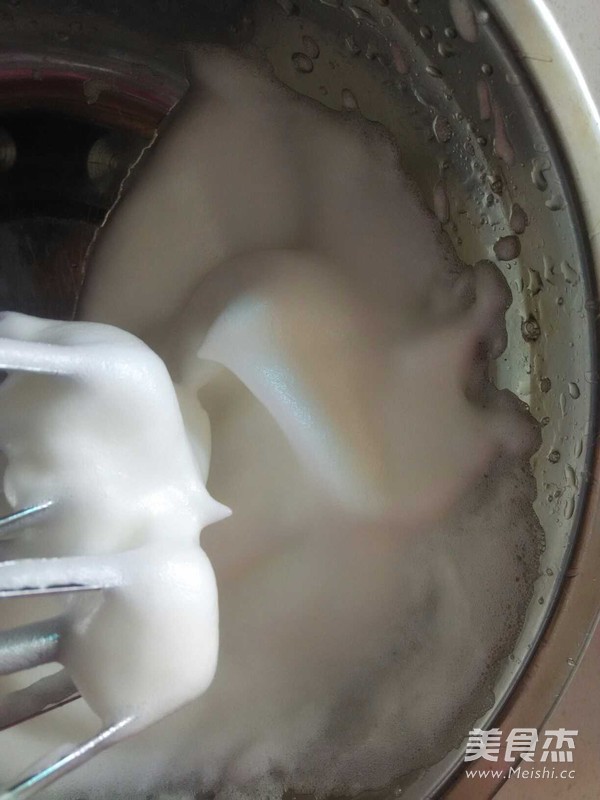

5. It is recommended to seal and dry it immediately after baking. If conditions permit, you can choose to seal it and refrigerate it. Otherwise the meringue will easily become sticky.
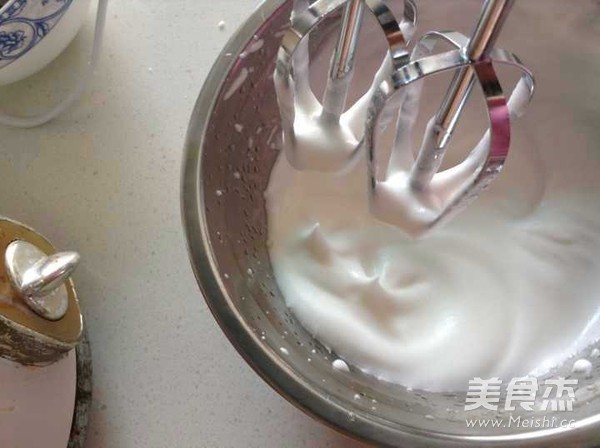

6. It is recommended to seal and dry it immediately after baking. If conditions permit, you can choose to seal it and refrigerate it. Otherwise the meringue will easily become sticky.
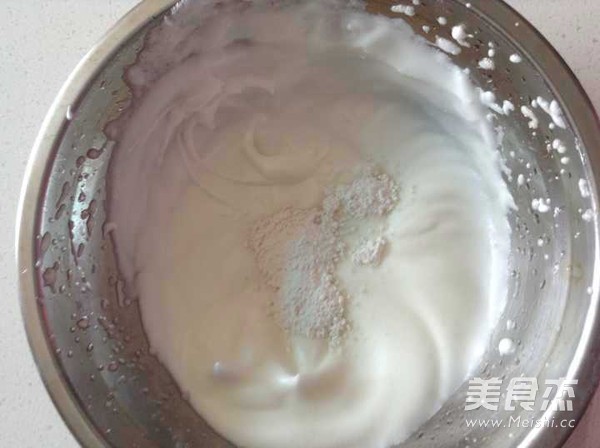

7. It is recommended to seal and dry it immediately after baking. If conditions permit, you can choose to seal it and refrigerate it. Otherwise the meringue will easily become sticky.
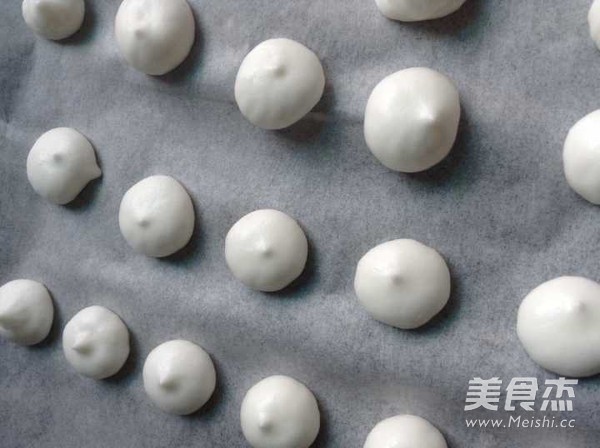

8. After baking and cooling, it is recommended to seal and dry it immediately. If conditions permit, you can choose to seal it and refrigerate. Otherwise the meringue will easily become sticky.
Tips:*Use a cross knife to prevent the defoaming of the beaten egg whites.
*Personally, what is the difference between sweet potato starch and corn amylase.
*The baking time and temperature are for reference only, depending on the size of the extruded meringue.
*Novices or unsure friends can keep an eye on the oven.
*If the cooled meringue is easy to stick to the paper, it means that it has not been baked completely and needs to be returned to the oven before baking.