Steamed Bread
1. 50 grams of warm water + 5 grams of yeast will stand still, pour it into the flour.
2. Pour the remaining 200 grams of warm water to melt the sugar (add 10 grams of water if the dough is too dry, depending on the water absorption of the flour).
3. Add 10 grams of corn oil (can be replaced with lard) and stir with chopsticks to form noodles and then stir (I use the cook machine to combine the noodles).
4. Cover the dough in a fresh-keeping bag and leave it in a warm place to ferment (send 2-2.5 times).
5. After making the dough, use the index finger to dip the dry powder to poke a hole, and it is enough to not shrink or collapse.
6. Repeatedly knead, squeeze and exhaust (I divided into 6 doughs and knead them one by one) The dough was dry, so it was not sprinkled with dry powder.
7. You can cut it with a knife, and you can make raw steamed buns if there are no obvious large holes inside.
8. Put the raw embryos of the shaped steamed buns into the steamer (can be spread with cloth or oil paper).
9. Cover the pot and let it rise (the temperature is low for an hour).
10. Turn the high heat to SAIC for about 15 minutes, turn off the heat and simmer for two minutes before lifting the lid (I simmered it for five minutes).
11. It is very important to knead the noodles twice. The collapse of the pan, the wrinkles, and the blistering are all related to kneading the steamed bun embryo (one has to knead at least 50 times, the smoother the dough becomes).
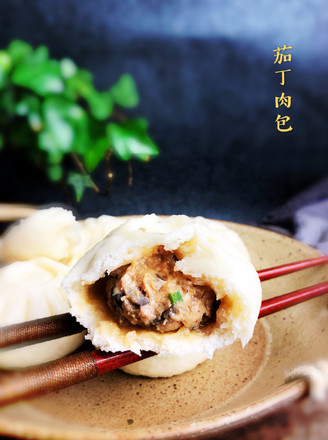
12. 123 grams of dough is steamed out. Break it apart to see the structure.
13. After opening the lid, try to take out the bun with the corner of the shabu, and moisten the gauze with water if it is dipped in gauze.
Tips: After the second shot, knead more and more smoothly.


 Buy on JD
 Buy on Amazon