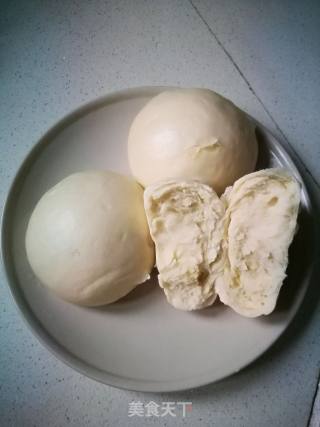
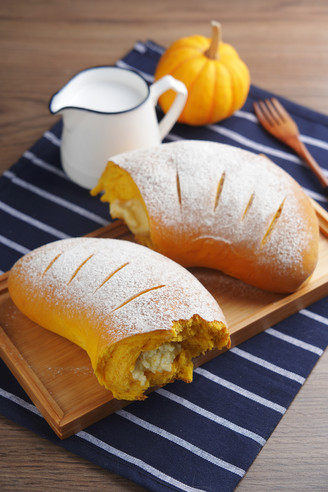
White Flour Buns
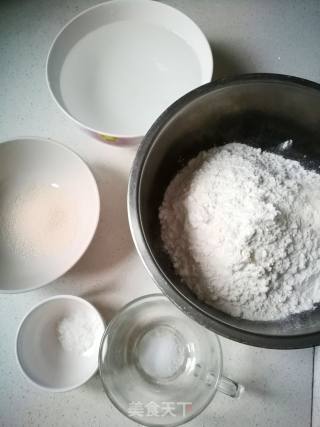
1. Let’s prepare the necessary ingredients first, 350g plain flour, 180g warm water in a bowl, 4g yeast, about 1g edible salt, 2g white sugar
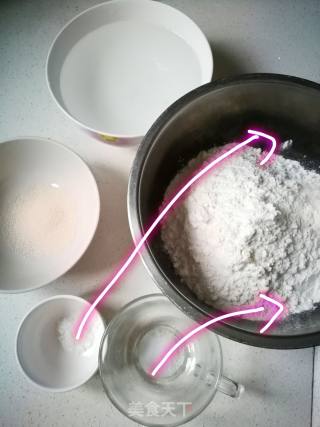
2. Put 350g of ordinary flour in the container, add edible salt and white sugar, and place them in two corners (the auxiliary materials do not need to be in order).
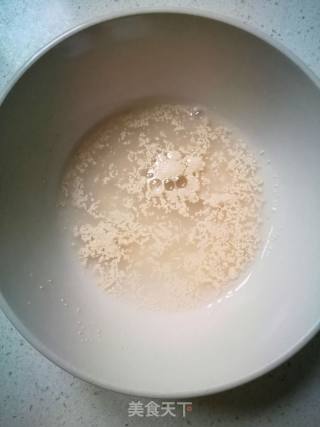
3. In addition, take a bowl of warm water, then pour a small amount of warm water into the yeast powder, stir the yeast water with chopsticks and pour it into the flour.
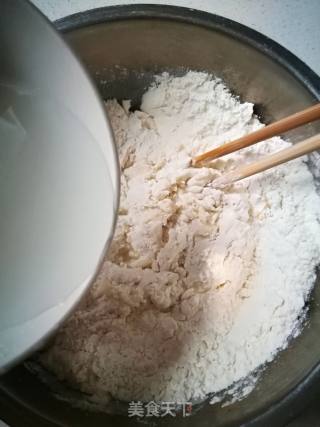
4. Pour the yeast water into the flour and stir it with chopsticks, continue to add the warm water we prepared to stir the dry flour. Note: When adding water to flour, you must add it slowly, don't pour it all at once.
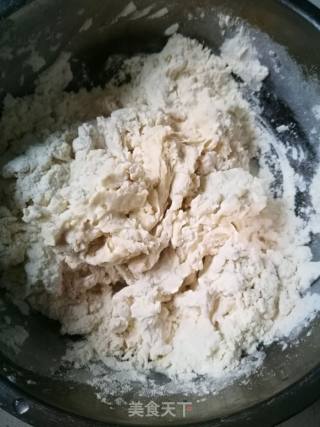
5. At this point, when you see a lot of dry flour in the basin, put the chopsticks aside and knead the noodles with your hands.
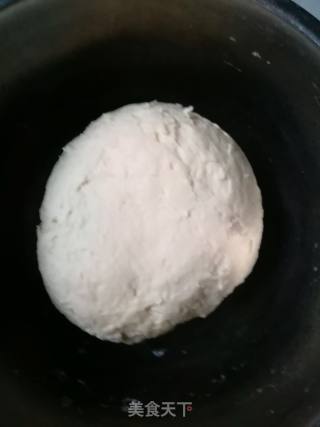
6. Feel the softness and hardness of the noodles with your hands and the noodles, and finally make a soft dough. Cover the lid and set it aside for proofing until it is twice as big or honeycomb (I used it for about an hour). The time for the noodles to grow well depends on the room temperature. It will grow faster when the weather is warm and slow when it is cold.
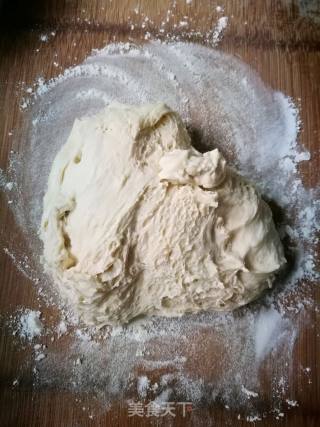
7. Take out the flour when it is ready, sprinkle a small amount of alkaline flour on the cutting board and sprinkle a layer of flour on the cutting board (the alkaline flour may not be added here), take out the flour and knead, knead for a while to exhaust
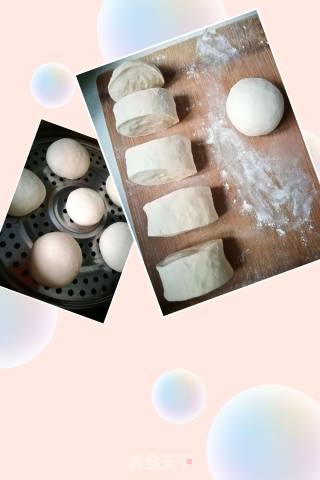
8. 1. Rub the dough into long strips 2. Divide the embryos into similar size 3. Knead the embryos smoothly 4. Add cold water to the steamer and apply a thin layer of oil on the shelf to prevent the steamed buns from sticking to the bottom. , After proofing in the pot for 5-10 minutes, turn on the fire for 20 minutes (this time depends on the size and number of your steamed buns)
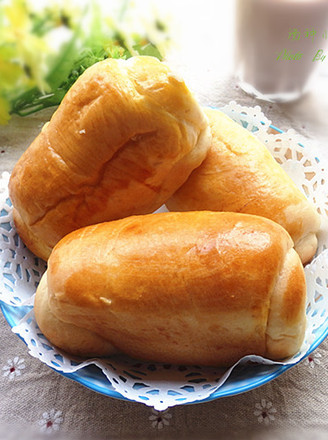
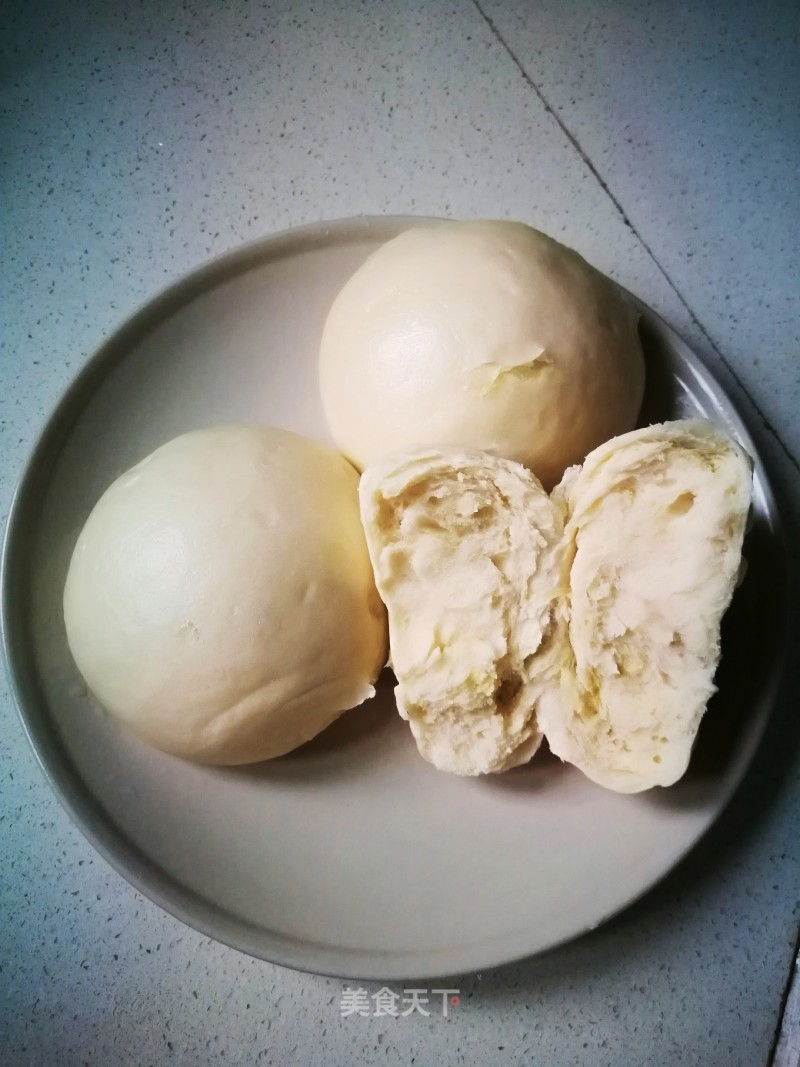
9. When the time is up, turn off the heat, don't rush to open the lid, wait about 3 minutes before opening the lid. Appreciate the finished product.
Tips: Steamed buns are mainly used for making noodles, and it doesn't matter how you toss the dough when the noodles are made. Novices are generally recommended to start with the basics, and then add tricks after becoming proficient, such as rabbits, hedgehogs, butterflies, buns and so on.

 Buy on JD
 Buy on Amazon