Borscht
1. Prepare all materials
2. According to the general bread making process, put all the ingredients except butter into the chef's machine for kneading
3. After kneading the dough smooth and stiff, add butter and continue kneading
4. Stop when the film can be pulled out when the kneading is complete
5. Shape the dough into the basin
6. Put it in the oven, select the fermentation gear, set the time to 1 hour, and start basic fermentation
7. Take out when the dough is about 2 times larger
8. Exhaust is divided into 9 parts, rounded, and proofed for 15 minutes
9. Flatten the dough and roll it into an oval shape with a rolling pin
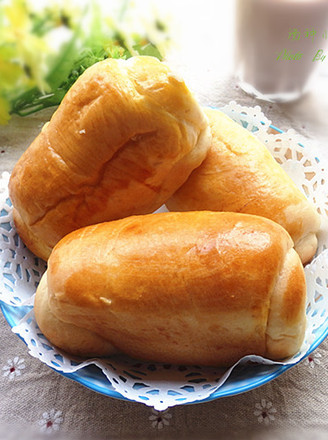
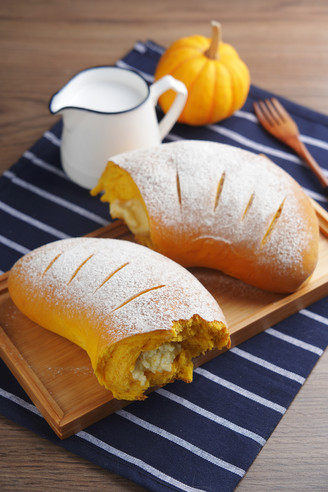
10. Turn the oval shape over and roll it up from top to bottom. When you roll it, pay attention to it. Tuck the sides slightly inward. After the roll is finished, tighten and pinch to form an olive shape with a thin middle drum at both ends. The shaped dough is discharged into the baking tray.
11. Put it in the oven, select the fermentation function, and carry out the final fermentation, about 40 minutes, the fermentation will be 2.5 times larger
12. The fermented dough is taken out and placed in the room for a few minutes to make the surface of the dough slightly dry. Use a sharp blade (razor) to make a long cut about 1 cm deep on the top of the dough, squeeze a softened butter into the cut cut (approximately 3-4 grams of butter per dough), on the surface of the dough Brush with a layer of egg liquid, then sprinkle with a thick layer of powdered sugar
13. Choose the upper 180 degrees, the lower heat 170 degrees, set the time to 25 minutes, put it in after preheating; bake it until the skin is golden brown
Tips: 1. When scribing, you need to let the surface of the dough dry slightly before scribing.
2. When making a knife on the surface of the dough, be quick and accurate. The knife must be sharp. A razor blade is recommended.
3. When squeezing the butter, put the butter in the fresh-keeping bag in advance. After it is softened, open a mouth from the corner of the fresh-keeping bag to squeeze it out.
4. Roll as tight as possible during the rolling, so as not to be cut apart during the baking process (this time the production is not too tight, so the finished product is scattered, but it does not affect the taste at all!).


 Buy on JD
 Buy on Amazon