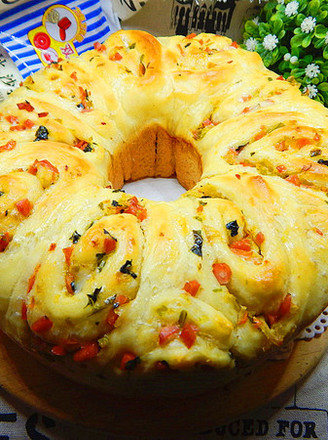
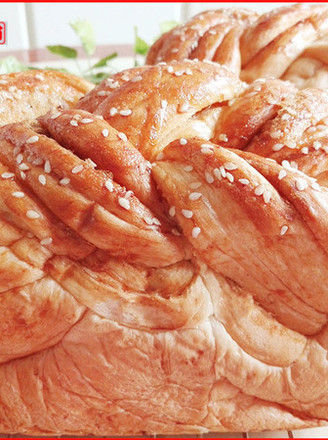
Braided Pork Floss Toast (one-time Fermentation)
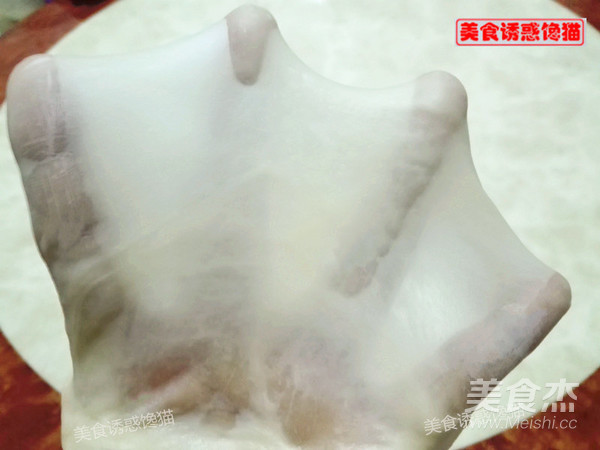
1. Except oil, salt and yeast, mix all the ingredients and knead until there is no dry powder (milk should be added gradually, depending on the water absorption of the flour), cover with plastic wrap and relax for 30 minutes, add yeast (knead until the yeast is dissolved) →Salt (knead out a thick film, the dough is smooth, and a thicker film can be pulled out.) →Corn oil (knead to a fully expanded state, the surface of the dough is smooth and fine, and a thin and not easily broken film can be pulled out)
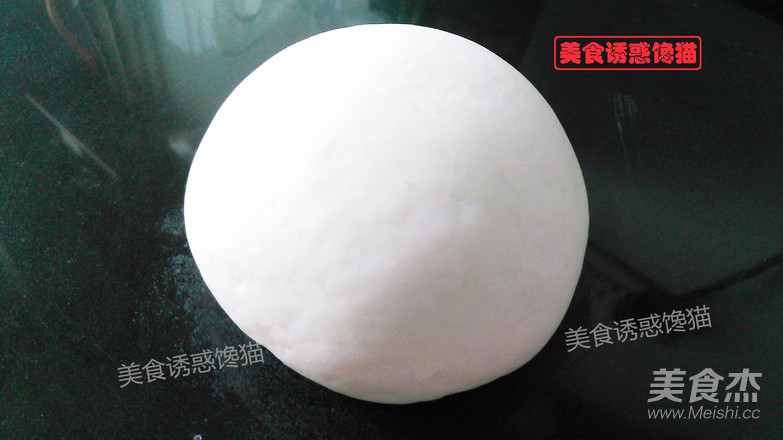
2. Round the dough, cover with plastic wrap and relax for 15 minutes
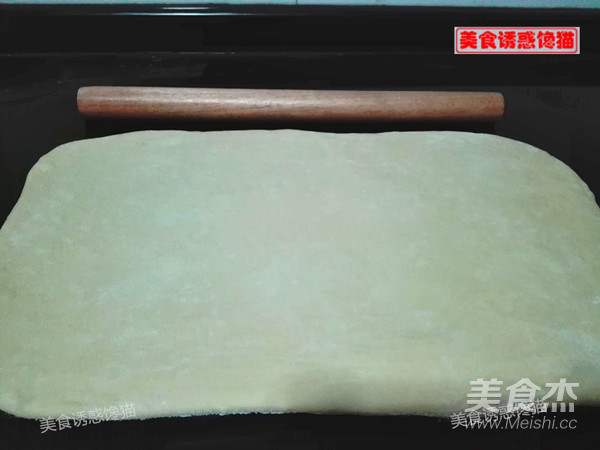
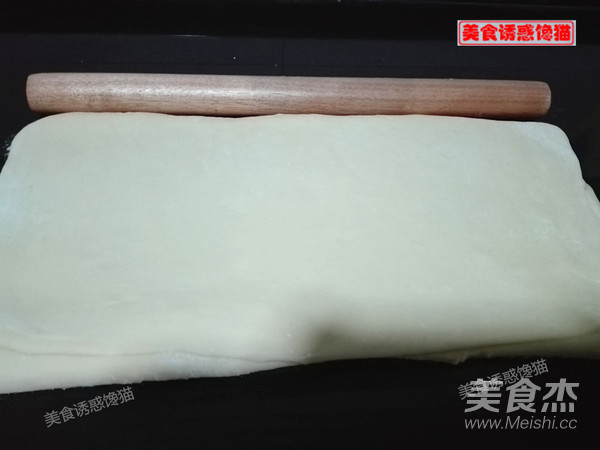
3. Roll out the dough into a rectangle
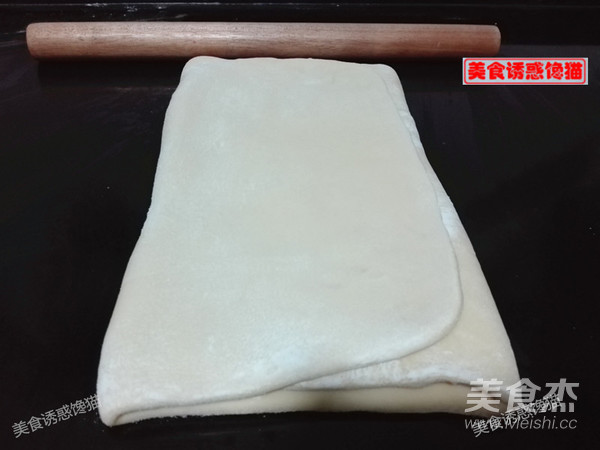
4. Spread the meat floss and fold the two sides to the middle into three layers (fold the right third to the middle, and then fold up the left one)
5. Swing the folded dough sideways and roll it out slightly
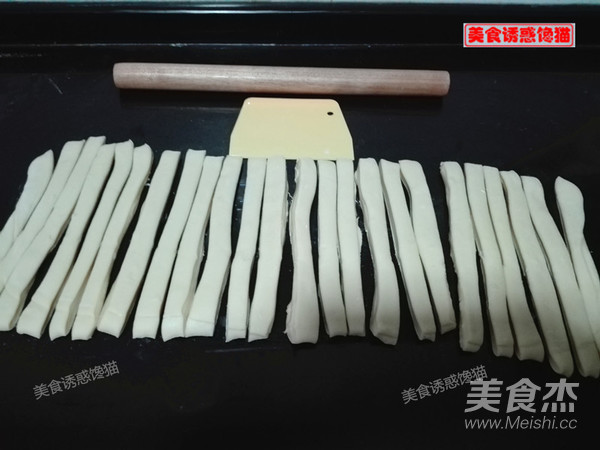
6. Cut into 24 noodles
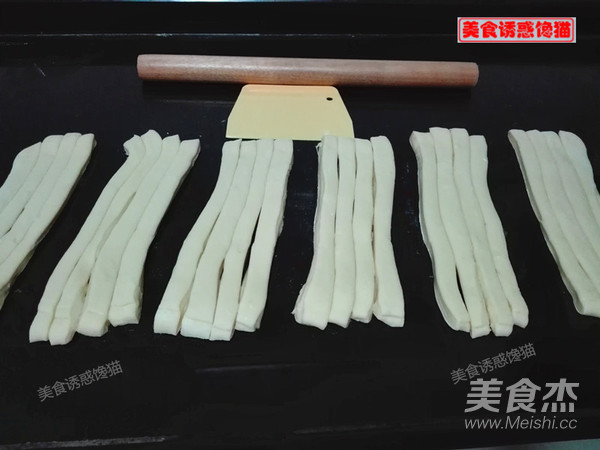
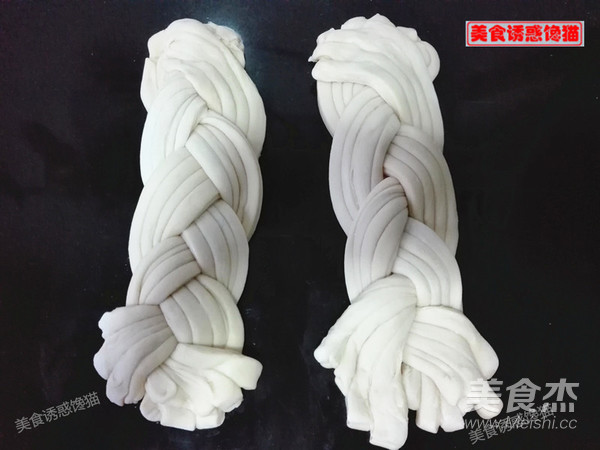
7. Divide 24 noodles into 6 groups, 4 noodles in each group
8. Stretch each group of noodles slightly, prepare to braid
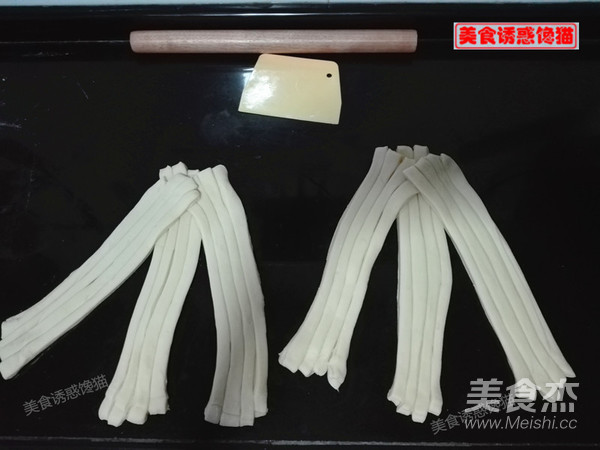
9. Braided
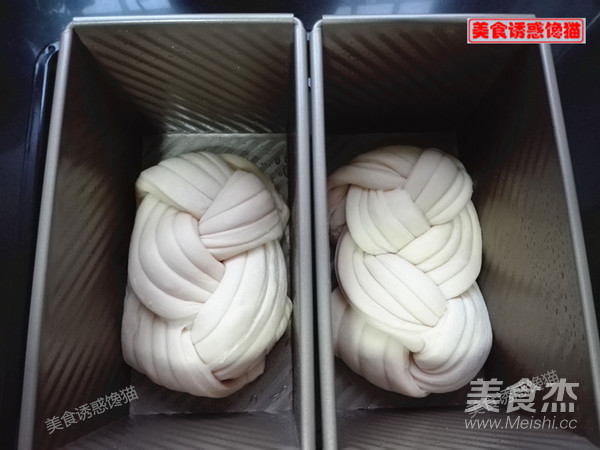
10. Fold the two ends of the braid towards the bottom and put them into two toast boxes respectively
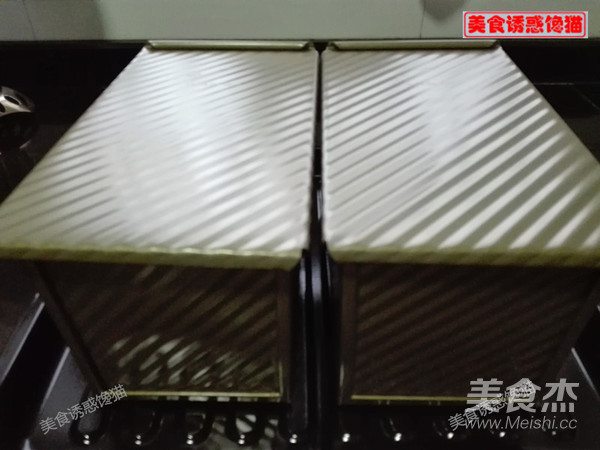
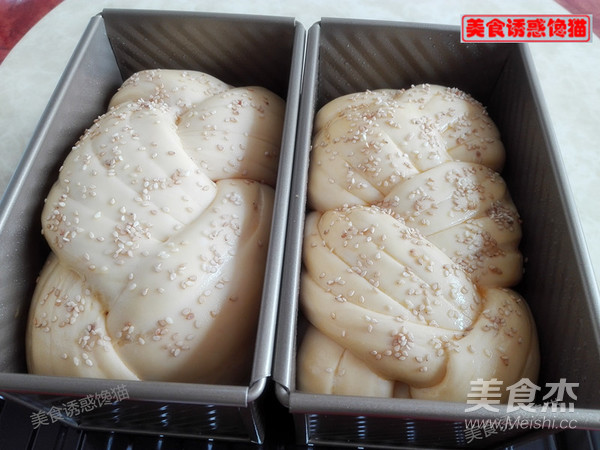
11. Cover with a lid or plastic wrap, and leave in a warm place to ferment to 8-9 minutes full
12. Brush the surface with egg wash, sprinkle with white sesame seeds
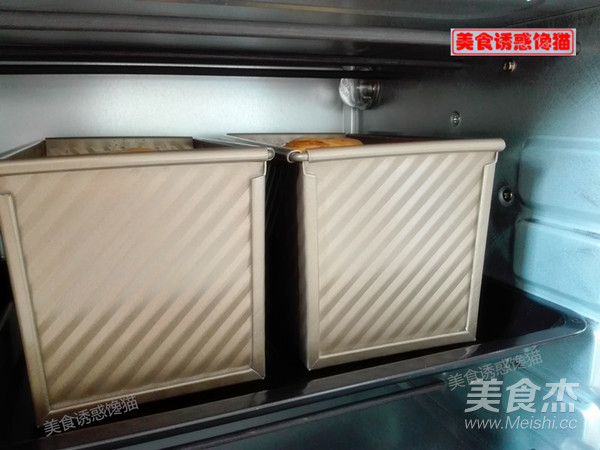
13. Preheat the oven, 130 degrees, middle and lower, upper and lower fire, bake for 45 minutes (satisfied with the coloring and cover with tin foil, the baking time and temperature are adjusted according to the own oven)
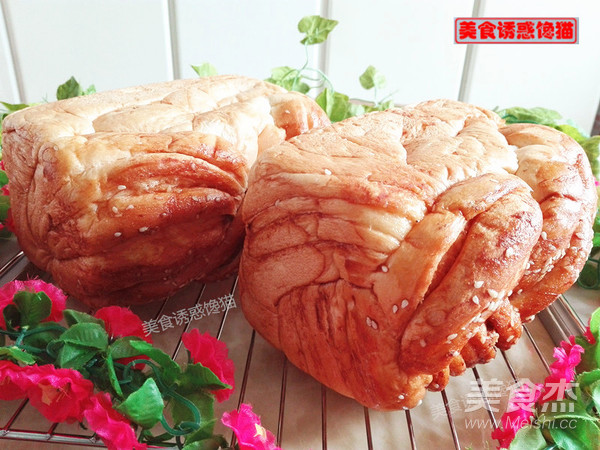
14. Take it out immediately after roasting, demould, and let the side buckle cool on the cooling net (to avoid collapsed waist and top). When there is residual heat, put it in a fresh-keeping bag and keep it sealed
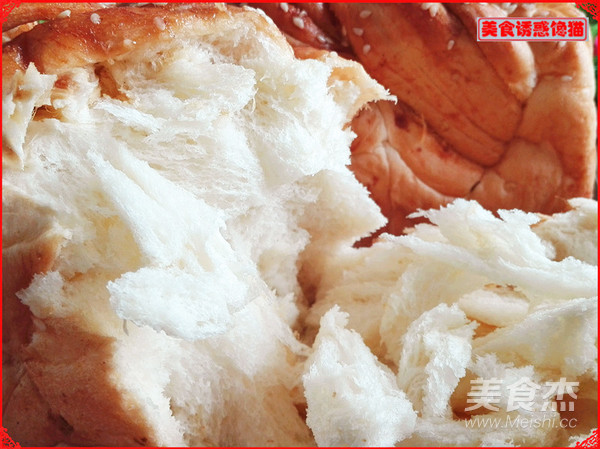
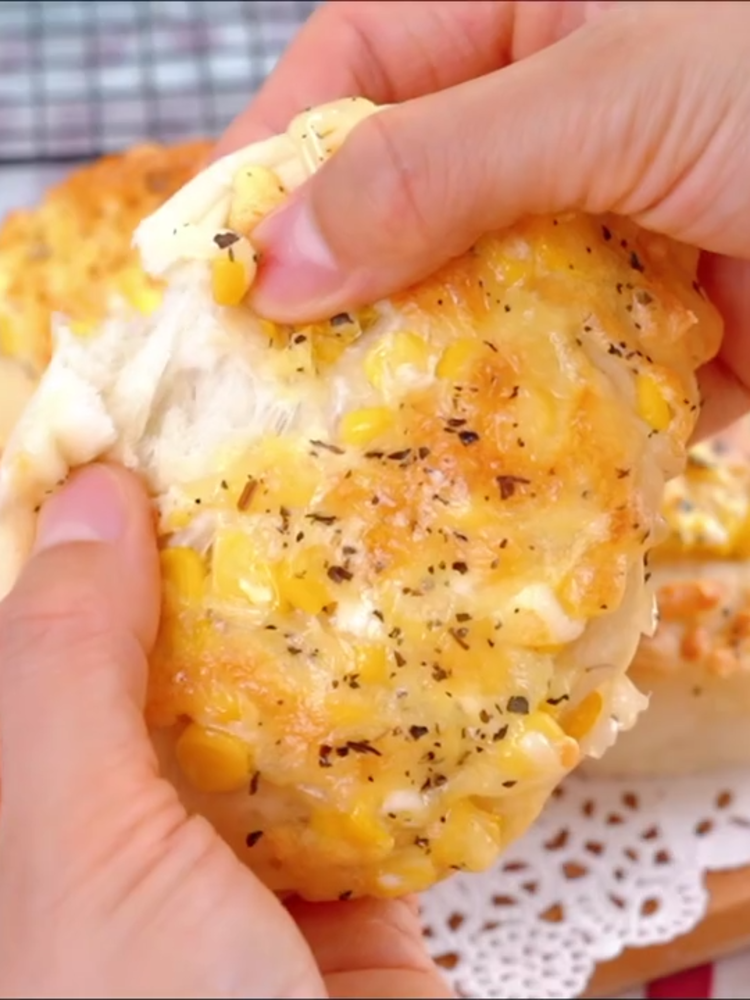
15. Fluffy and soft
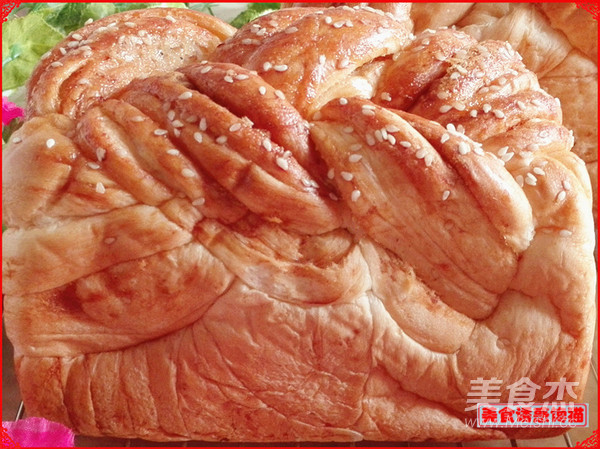
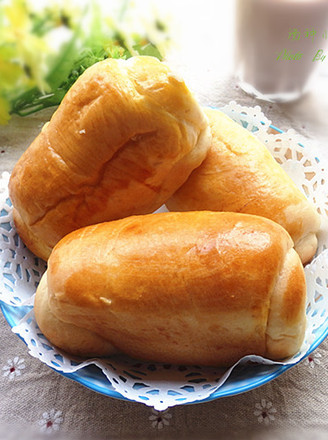
16. Finished picture appreciation
Tips: 1. Adjust the baking time and temperature according to your own oven.
2. During the baking process, the surface of the bread can be colored with a layer of tin foil.
3. The amount of sugar increases or decreases according to personal preference.
4. The amount of milk increases or decreases according to the water absorption of the flour.

 Buy on JD
 Buy on Amazon