Chiffon Cake
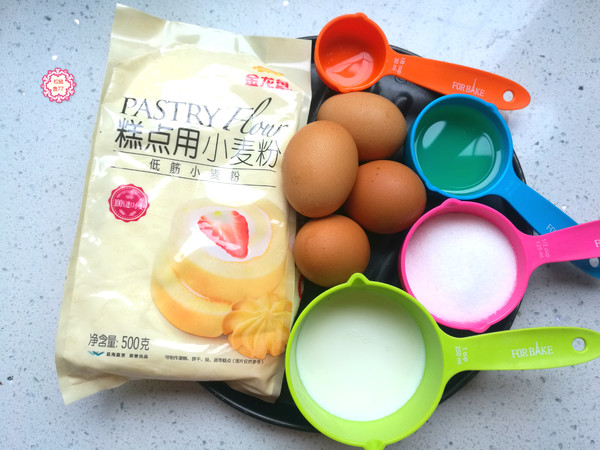
1. Prepare the ingredients you need. Take the eggs out of the refrigerator ahead of time. Be careful not to drip into the egg whites. Lemon juice, caster sugar, corn oil, milk, low-gluten flour are accurately weighed.
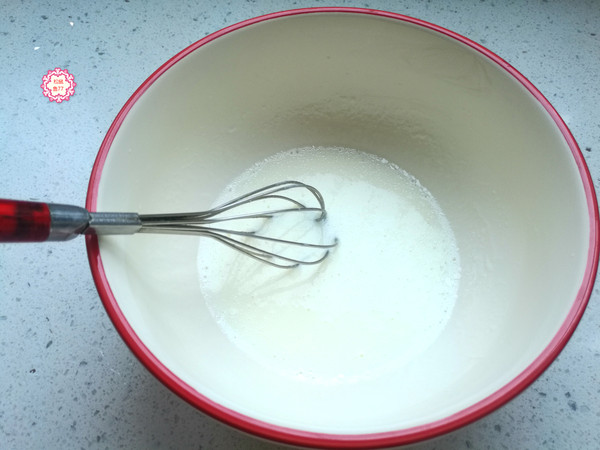
2. This cake is made using the "after-egg method", what is the latter-egg method? As the name suggests, it is the last way to put the egg yolk. Usually we make cakes by separating the egg white and egg yolk, first emulsifying the egg yolk and milk, and then sifting the flour in and mixing well. The post-egg method is different. We first thoroughly emulsify the milk and corn oil evenly. This emulsification process needs to be longer, at least half a minute, until no oily smell is visible and it becomes a little thick.
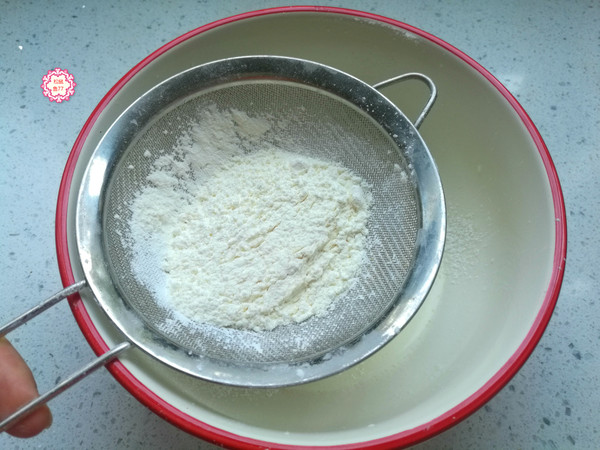
3. After the emulsification is complete, the low-gluten flour can be sifted in. The flour must be sieved. One purpose of sieving is to remove impurities in the flour, and the other is to make the flour looser and make the cake more loose and delicious.
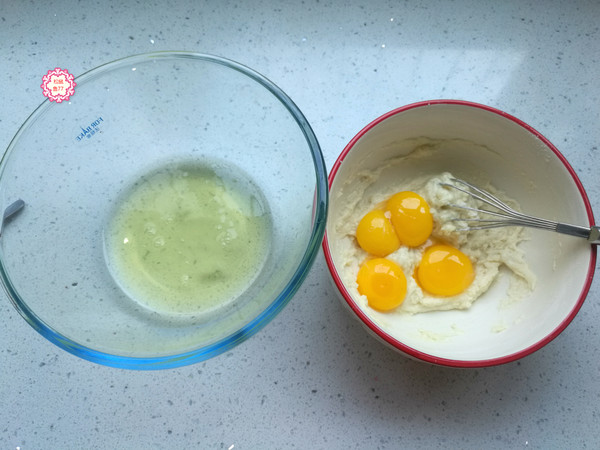
4. Then stir evenly in a "one" shape. At this time, you can see that the egg batter after adding low-gluten flour is very thick, and even stirring is very laborious. Now separate the egg white and yolk. If the egg has just been taken out of the refrigerator, there will be some water droplets on the surface. Be careful to wipe it off. Do not let the water droplets drip into the egg whites, otherwise the egg whites will be difficult to pass. Put the egg whites in another basin, put the egg yolks in the batter, put all 4 egg yolks in.
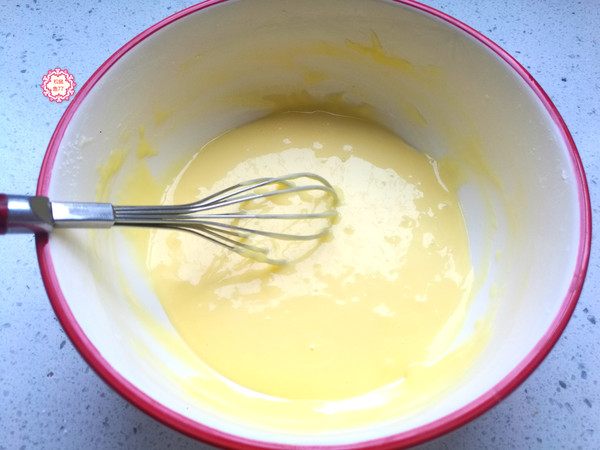
5. After adding the egg yolk, continue to stir evenly in a "one" shape. Don't stir it up and down. This will cause the flour to become gluten, which will directly cause the cake to grow low during baking. The stirred batter looks thick, but it can be smoothly dripped when picked up. The egg yolk batter is ready and set aside for later use.
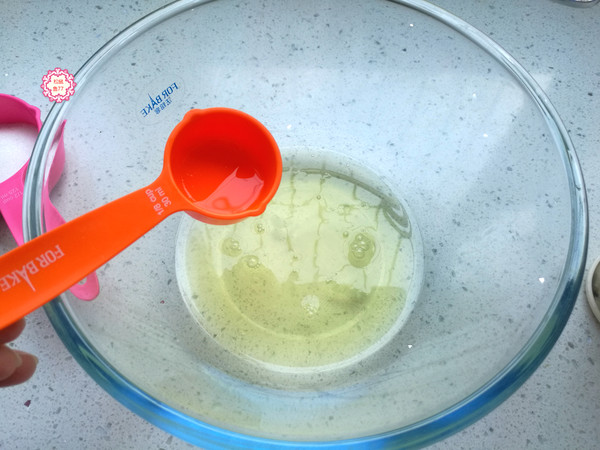
6. Take the egg whites over, and now start to beat the egg whites, put the lemon juice in first.
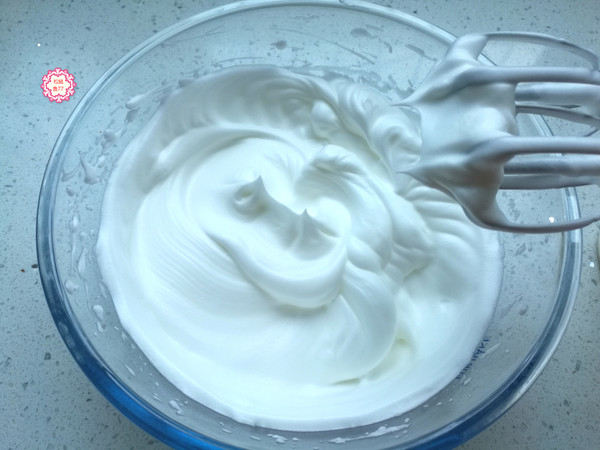
7. Add the fine granulated sugar to the egg whites in 3 times. Let the egg whites appear a few times at low speed. Fish-eye bubbles will appear in the egg whites. Then add one third of the fine sugar and turn it to a medium speed. When the egg whites are fine, the remaining fine sugar will be added again. Add half of it and turn to high speed to continue whisking. When the egg whites look very delicate, add all the remaining fine sugar. Then turn to medium and low speed and arrange the egg whites until you pull up the whisk, and a small, upright, looking very sharp corner appears, as shown in the figure, this egg white is even finished.

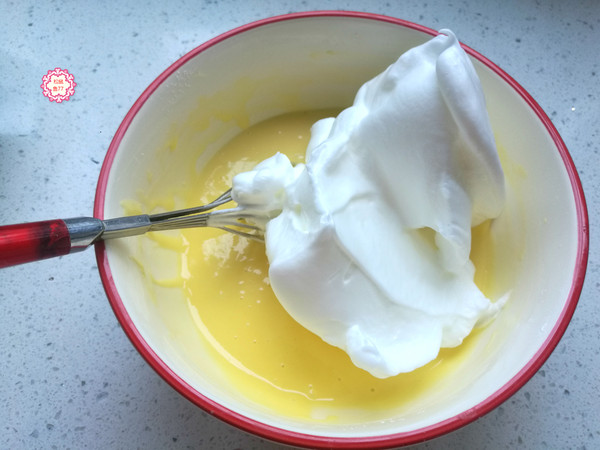
8. When the egg whites are finished, you can go to preheat the oven, and preheat at 130 degrees for 10 minutes. Take the bowl of egg yolk paste and stir it. Now the egg yolk paste looks very delicate. Put one-third of the egg white into the egg yolk paste, stir it evenly, and then pour it back into the egg white bowl. Remember to stir and stir, don't stir at will, it will defoam badly. However, as long as enough egg whites are sent and the method of copying is correct, it will not defoam, and it is not so easy to send the protein in place to defoam.
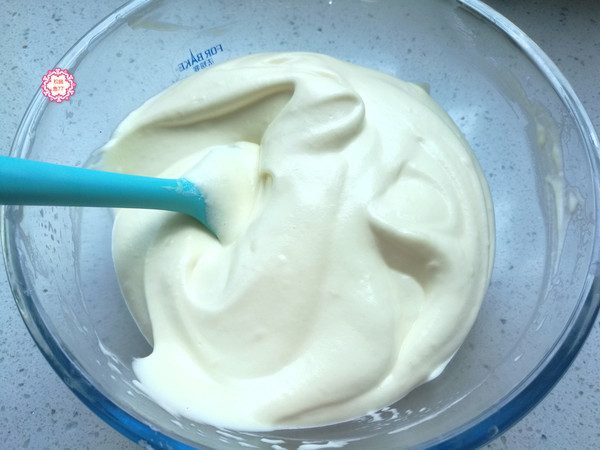
9. Now let’s mix the egg whites and egg yolks evenly, using the mixing method, which is just like stir-frying. The custard after mixing is fine and thick. Use a spatula to pick up the custard and it will fall off like a ribbon. This is a qualified cake batter.
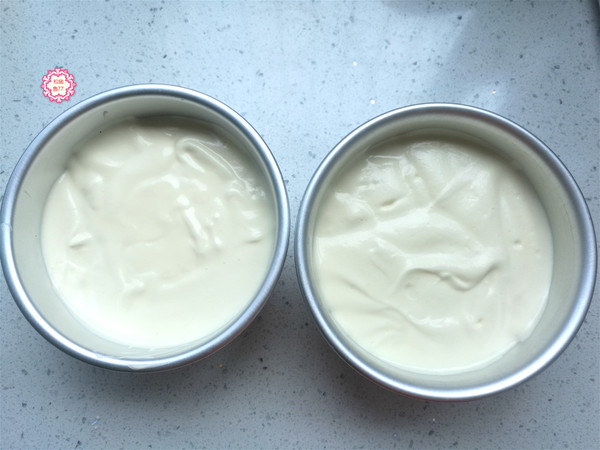
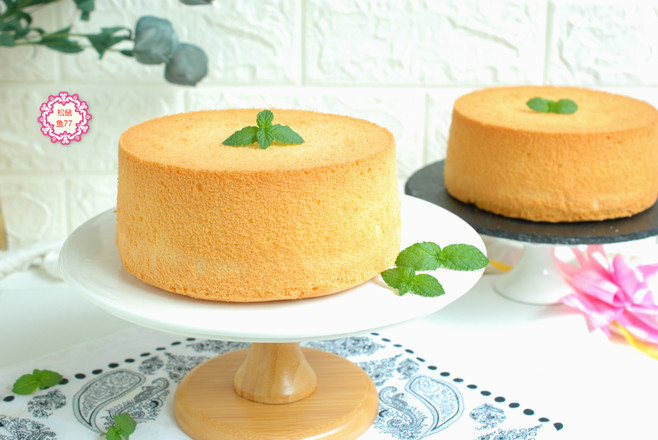
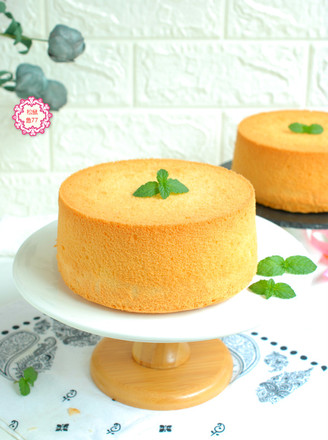
10. Pour the mixed cake batter into two 6-inch anode chiffon molds, 8 minutes full. This amount is exactly the amount of two six-inch cakes and one 8-inch chiffon cake. Put it into the preheated oven and bake at 130°C for 30 minutes, then turn to 165°C for 30 minutes.
11. After the cake is baked, quickly shake the mold a few times after it is out of the oven to shake out the heat, and immediately fall on the baking net. If there is no cake that is completely cold, demoulding will cause cake to shrink.

 Buy on JD
 Buy on Amazon