Classic French Sponge Cake
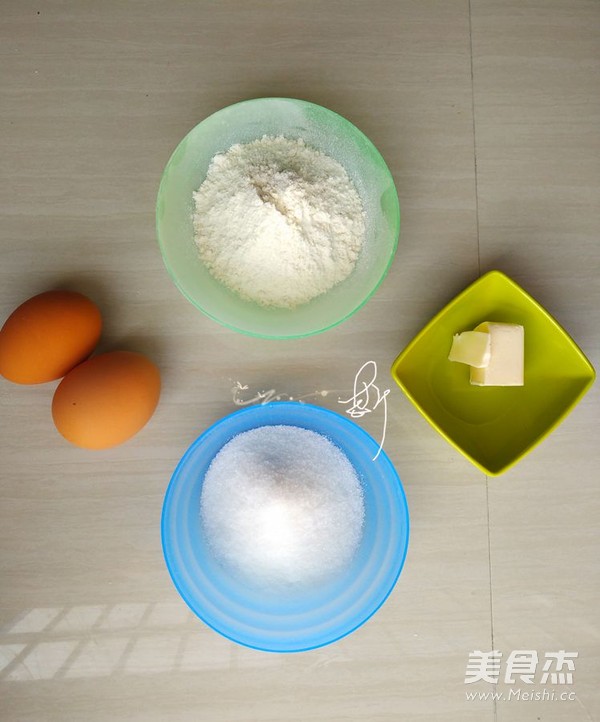
1. The ingredients of the sponge cake are very simple, that is, eggs, low-gluten flour, sugar and butter. This recipe is a 6-inch weight. The ratio of eggs, sugar and flour is 1:0.5-0.6:0.5-0.6, sponge cake eggs The lightest ratio of flour to sugar is 1:0.5:0.5, and the heaviest ratio is 1:1:1
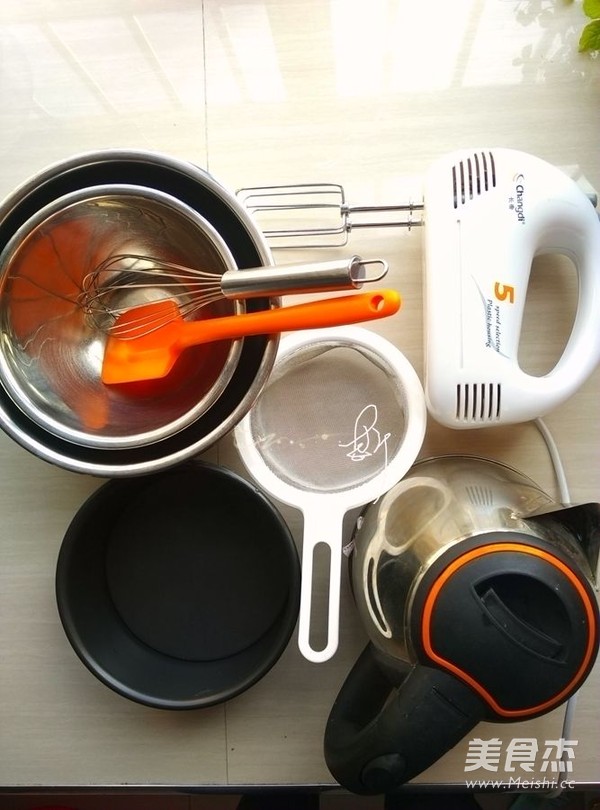
2. The tools needed are an egg beater, two egg beaters, a silicone spatula, a flour sieve, an egg extract, a 6-inch cake mold, and a pot of hot water
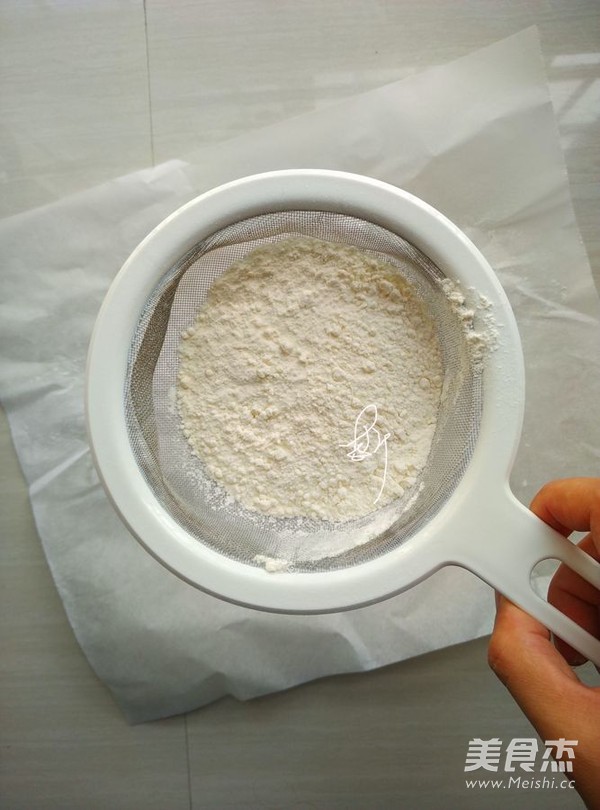
3. Sift low-gluten flour twice in advance to avoid lumps and lumps
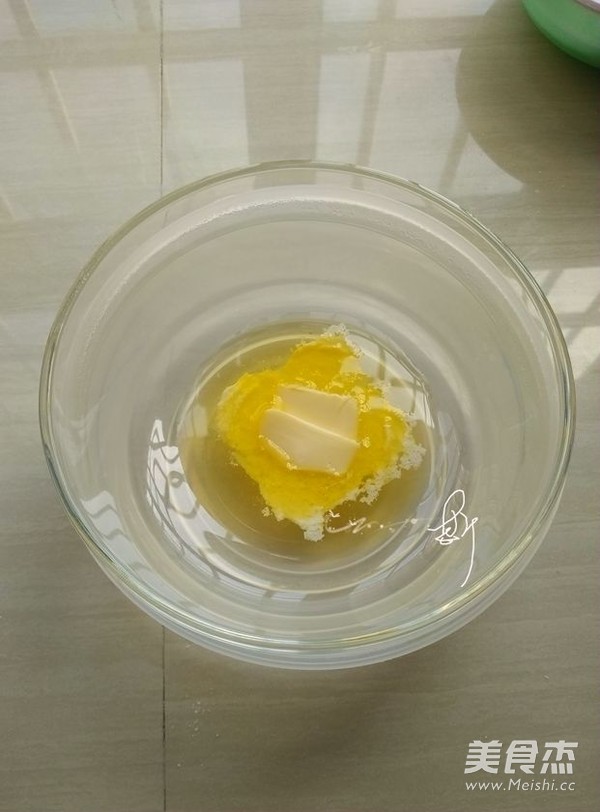
4. The butter melts into a liquid at about 70 or 80 degrees Celsius for later use. There is no need to remove the hot water before mixing into the batter, and keep the temperature at about 60 degrees.
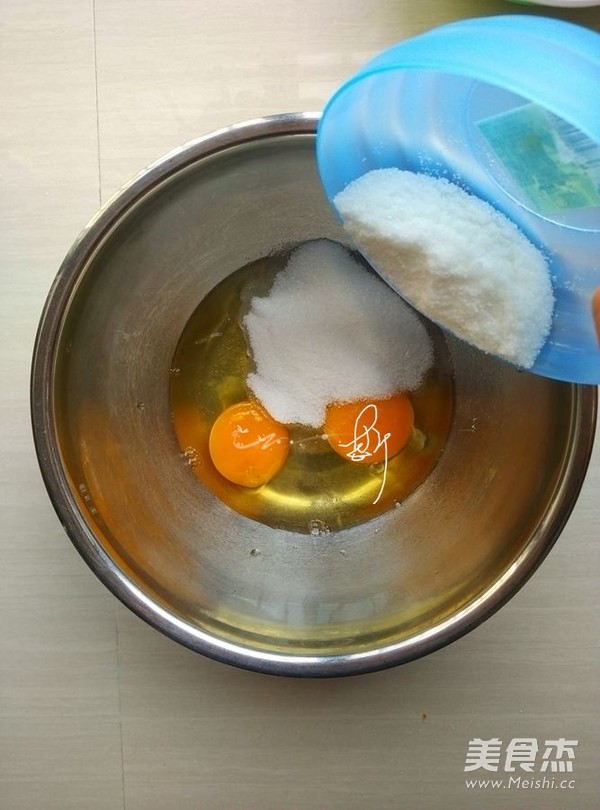
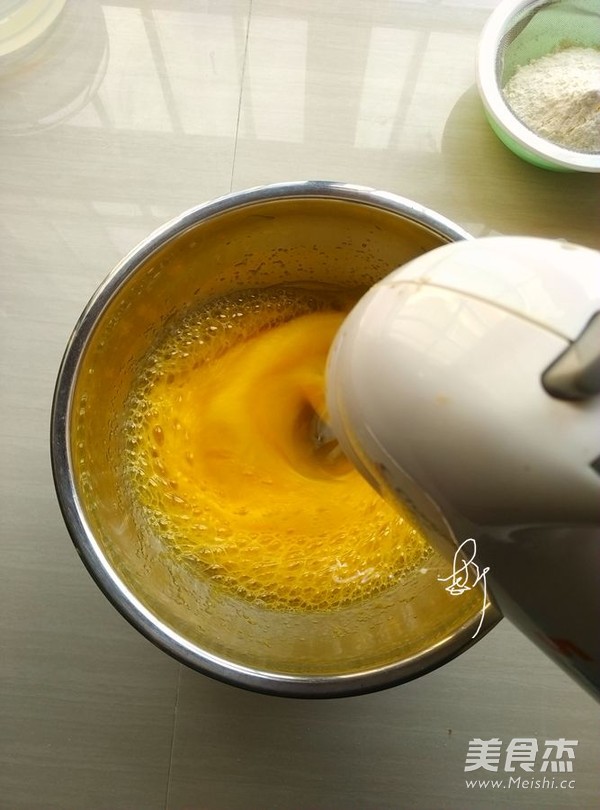
5. The egg-beating basin is guaranteed to be oil-free and water-free, beat in the eggs, and pour the fine sugar in one time
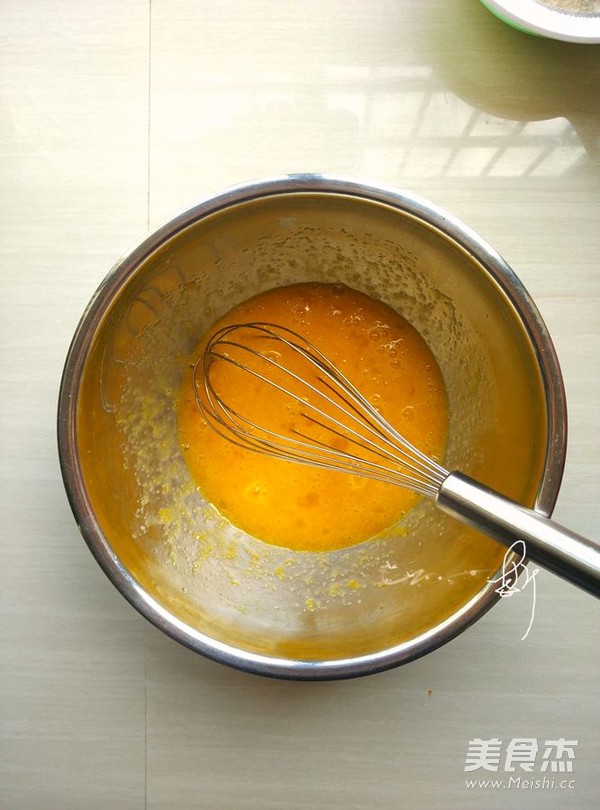
6. Beat the eggs with egg cream, stir until the sugar is almost invisible
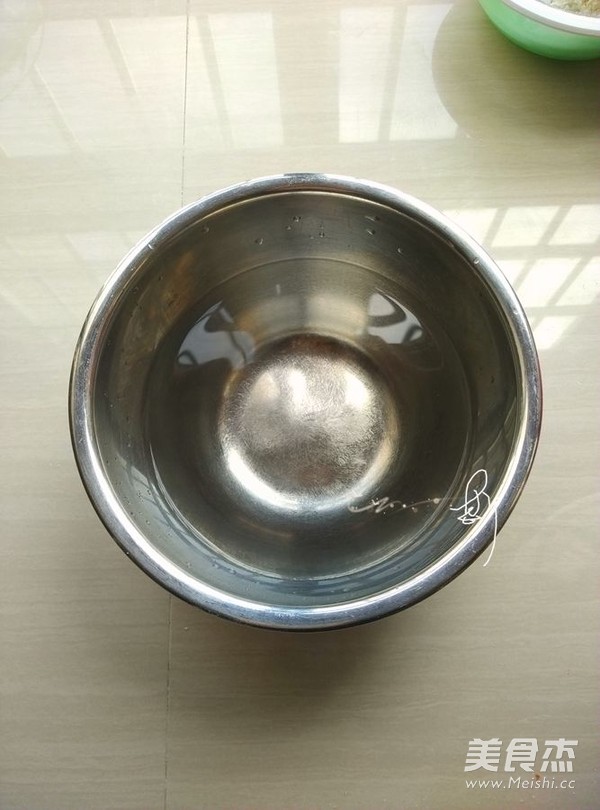
7. Take a smaller egg-beating bowl and fill half a bowl with hot water of about 50-60 degrees
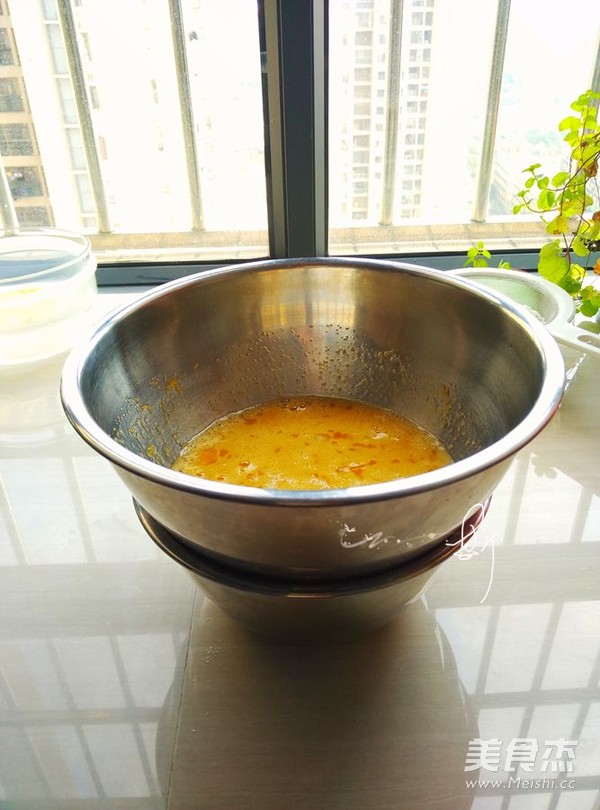
8. Separate the egg beater with egg liquid on the hot water
9. Whisk the egg liquid at a low speed to heat up to 36-40 degrees, that is, touch the egg liquid to the warm temperature, and then use a high speed to beat the egg liquid
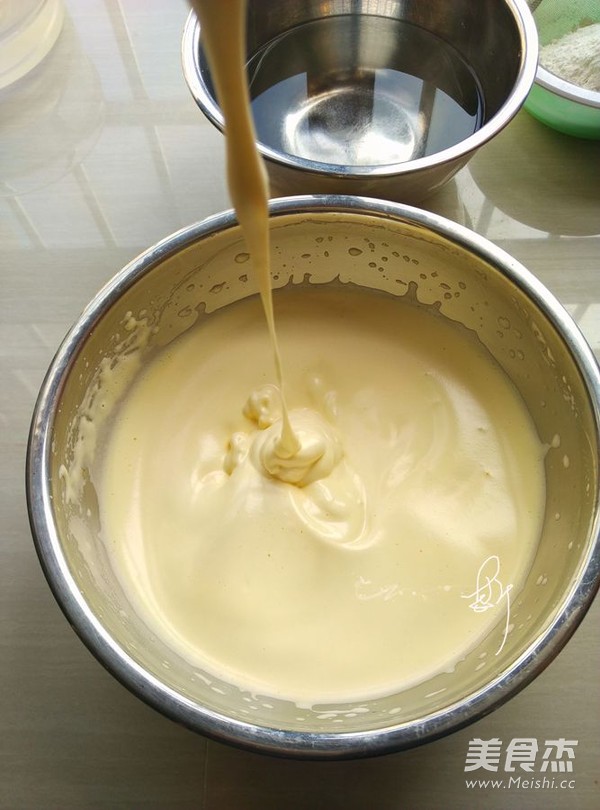
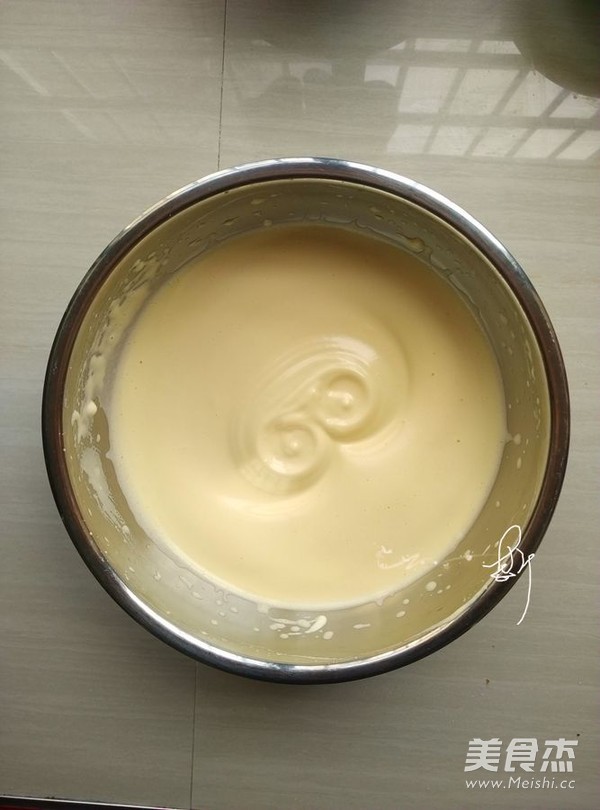
10. Whip the egg liquid until the volume is enlarged, the egg liquid is milky white, the egg crease pattern will not disappear immediately when the whisk is lifted, the egg liquid is almost beaten, and the time is about 6-10 minutes, but there are still uneven sizes in the egg mash Bubbles, so keep stirring at low speed for 1-2 minutes
11. The beaten egg batter has uniform bubbles and a smooth and delicate surface. The egg batter lines will not disappear immediately after lifting the whisk. You can also use a toothpick to insert the egg batter 1.5cm to verify that it does not fall.
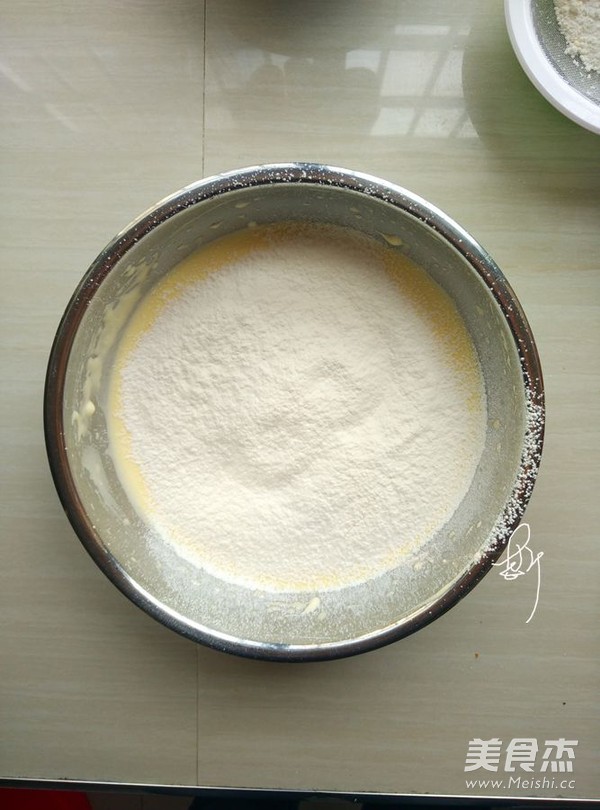
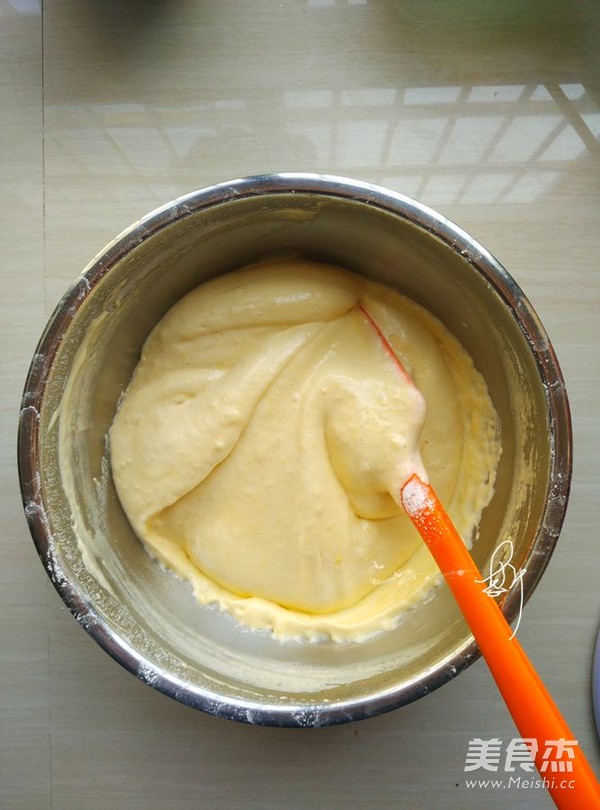
12. Low-gluten flour is sifted into the whipped egg batter at one time or 2 to 3 times
13. Scrape the basin from the 2 o'clock direction to the 8 o'clock direction with a spatula, turn it over from the 9 o'clock position, turn the egg-beating bowl while stirring until the flour is completely mixed, and the batter is not seen every time you scrape it. It’s better to use dry flour. Be gentler when mixing.
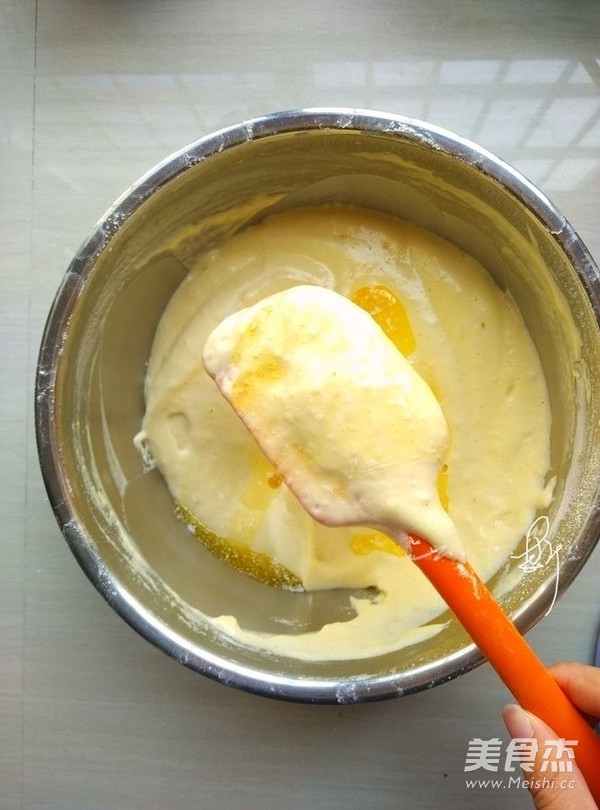
14. Pour the butter from the spatula and spread it on the egg batter. Don't pour it directly into the egg batter, otherwise the butter will concentrate in one place and the batter will defoam.
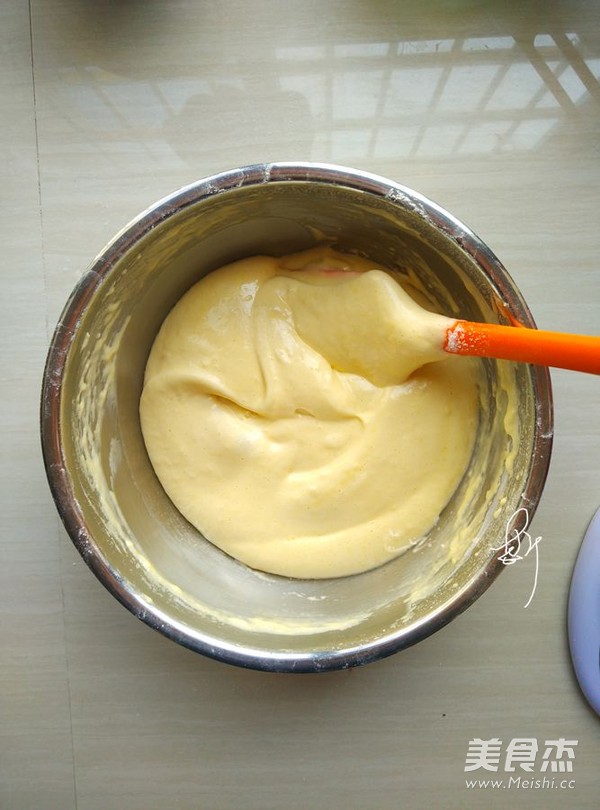
15. Stir the butter evenly until you can't see any oily threads. The mixed cake batter is smooth and milky white. If the final batter is yellowish in color and bubbles are constantly emerging, it means that it has been defoamed. Up
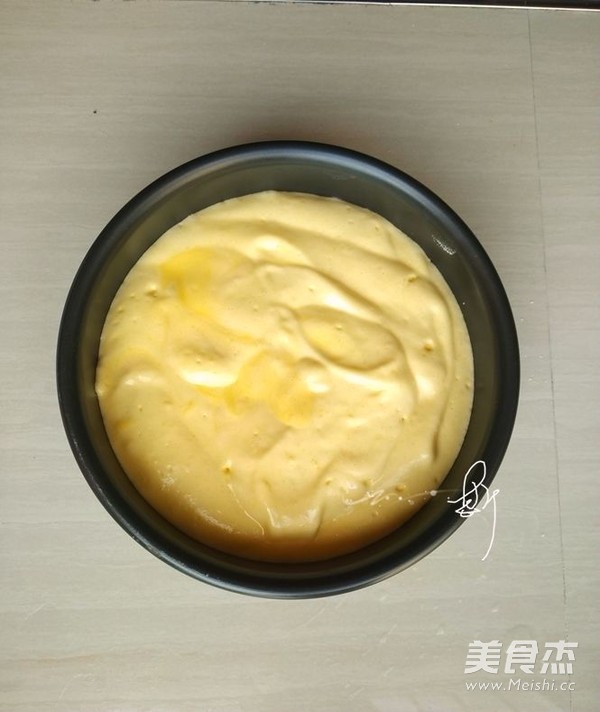
16. Pour the cake batter into the mold, lift the mold and shake it a few times to eliminate large bubbles (the remaining custard on the scraper does not need to be put in, because there will be an extra yellow custard and will sink to the bottom)
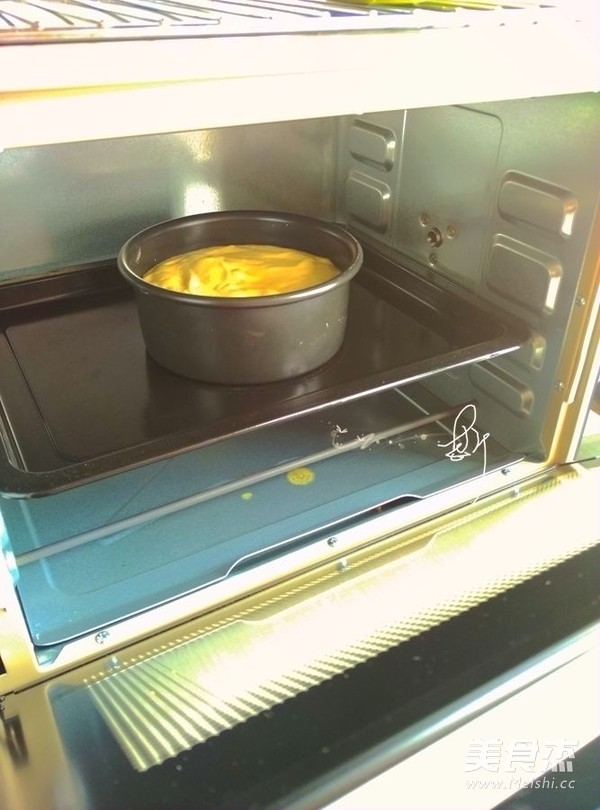
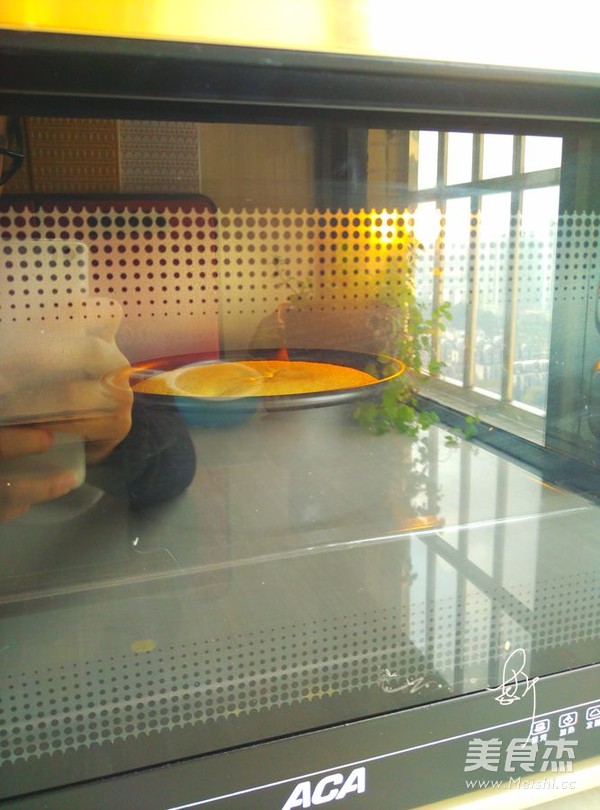
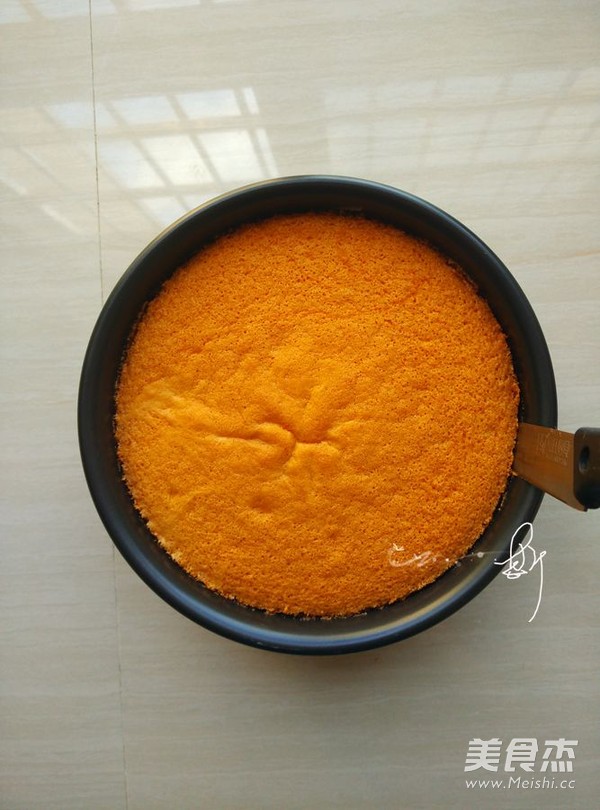
17. Put it into the preheated oven in the middle and lower layer 160 and bake for 30-35 minutes
18. Bake until 20 minutes
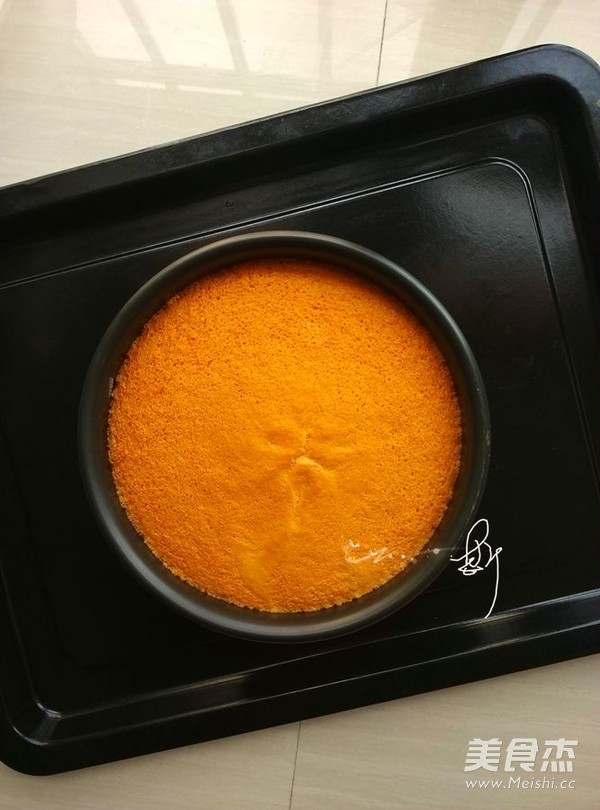
19. After the baked cake is out of the oven, shake it a few times to shake out the water vapor in the cake
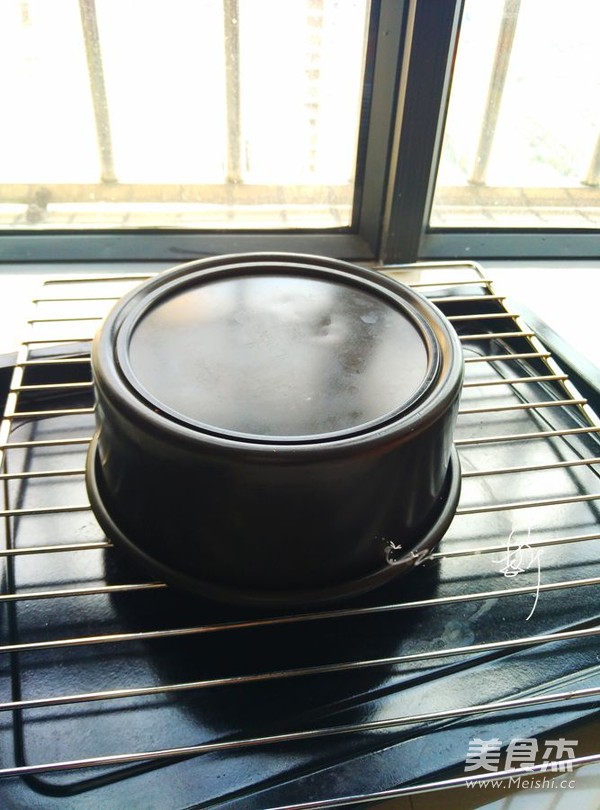
20. Then immediately reverse it, turn it upside down after ten minutes, and cool it down
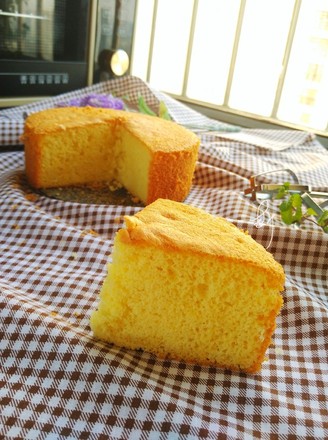
21. After cooling, it can be eaten after demoulding with a stripping knife

Tips: 1. The sugar content of sponge cake will be higher than that of ordinary chiffon cake. The role of sugar here is not only to improve the sweetness, but also to retain the moisture of the cake, the egg liquid to beat and stabilize, and the whole egg to beat If the amount of sugar in the egg liquid is too small, it is very easy to defoam, otherwise it is about stable, so do not easily reduce the amount of sugar in the formula;
2. When the egg is heated to 36 degrees, the surface tension of the egg will be weakened and easy to be beaten. When the temperature is low, it can be warmed up to about 40 degrees to beat, but the stability of the beaten egg liquid will also be under the condition of high temperature. It becomes weaker, so it will be relatively stable if the chicken liquid is controlled at about 25 degrees;
3. I use a basin smaller than the egg beater with egg liquid to hold hot water (50-60 degrees). One reason is that the egg liquid will not directly contact the hot water, which can prevent the egg liquid on the side of the basin from pre-heating. Heat coagulation, one is that the temperature of the egg liquid will not be too high;
4. The beaten egg liquid should be fine and shiny, with evenly distributed bubbles, in a milky white state. The lines left by the egg batter on the whisk will not disappear immediately. If there are still obvious bubbles in this state, Use a whisk to continue stirring at low speed for a while, uneven distribution of bubbles will make it easier to defoam;
5. When mixing the flour, the action should be gentle and not rushed. The flour should be completely mixed to a delicate and smooth state. If the batter is mixed unevenly, it will swell badly and defoam;
6. The temperature of the butter before adding the batter should be kept at about 60 degrees, because the butter of 60 degrees has strong fluidity and weak viscosity, and is easy to mix with the batter, but it should be poured on the scraper when it is poured into the batter, from the scraper to the batter. Avoid the phenomenon of butter sinking to the bottom and defoaming by pouring it from one place;
7. Remember that the flour must be mixed well, must be well mixed, must be well mixed!

 Buy on JD
 Buy on Amazon