Jujube Mud Buns
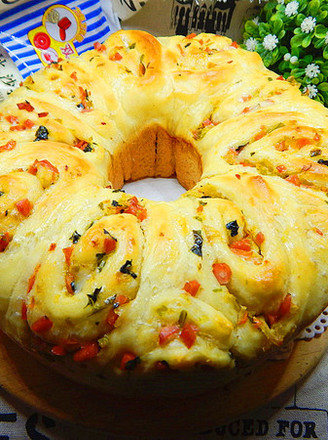
1. Finished picture
2. Finished picture
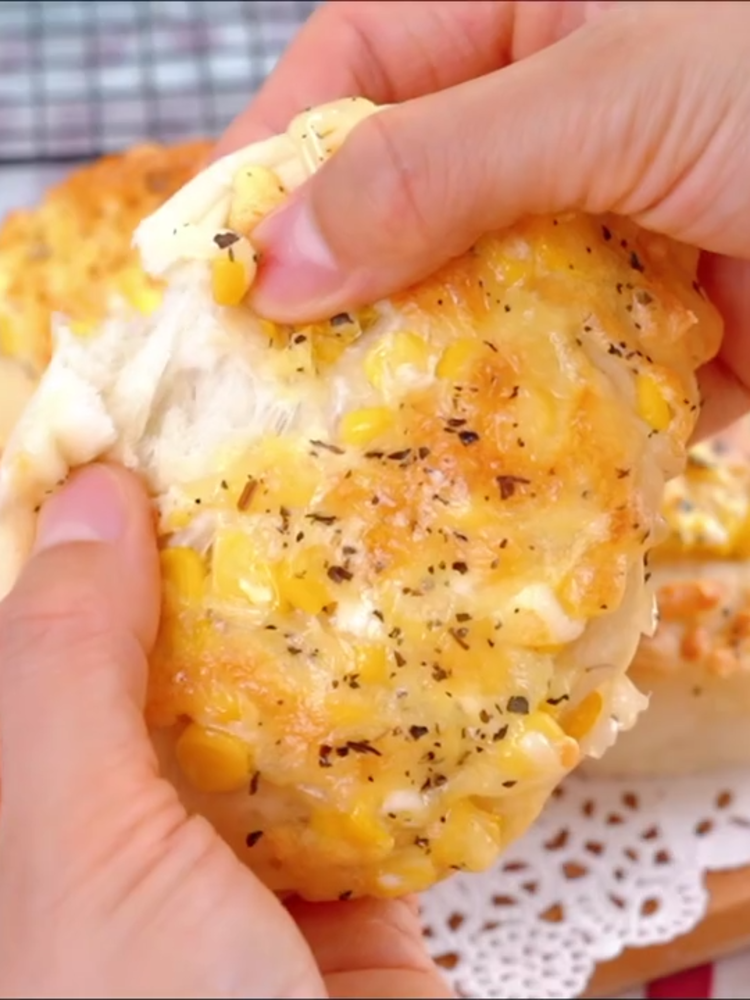
3. Break one apart and look at the layers like bread!
4. Wash the jujube, add water, boil it softly, peel and remove the pit, put it in a food processor and beat it into a puree;
5. Add 6 grams of yeast in 50 grams of warm water, mix well, add 240 grams of jujube puree and 350 grams of high-gluten flour;
6. Knead the dough into the dough, knead it for 5 minutes in the 4th gear of my cook machine, cover it with plastic wrap, and ferment it to not more than four times the size;
7. The fermented dough has an obvious honeycomb shape by hand, and it falls back quickly to become a kind of dough.
8. Tear the dough into small pieces and put the main dough ingredients into the chef’s bucket and knead it into a smooth dough. I started the 4th gear and kneaded for 8 minutes. (The kneading process depends on the situation. I add some flour, which is also called 戗面, of course. Moderate softness and hardness can also be used without noodles);
9. Ferment in a warm place to no more than three times the size;
10. The fermented dough is taken out and placed on the chopping board and kneaded by hand for another 7 or 8 minutes. The bubbles in the dough are discharged and divided into 12 equal parts and rounded separately;
11. Pour cold water into the steamer, put the rounded steamed buns on the dragon drawer, wake up again until it feels puffy to the touch, turn on the steaming "trowel" function of the electric steamer for about 22 minutes, and then simmer for a few minutes after the steaming is fast take out;
12. Out of the pot!
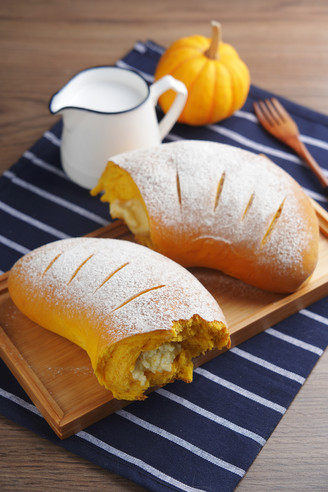
13. Finished picture
14. Finished picture
15. Finished picture
16. Take a look at this tight internal organization, muscles, and full of layers. It's the kind of feeling that you can tear and eat layer by layer!
Tips: 1) Flour I use high-gluten flour, so the steamed buns will be chewy. 2) The noodles of steamed buns must be fermented in place first, and kneaded in place, so that the steamed buns can be chewy. 3) For the first fermentation, I put it in the oven to enable the fermentation function. The second proofing was put on the dragon drawer, and the fermentation time in this winter was a full hour. 4) Because my recipe was originally used to make toast, it was later changed into steamed buns, so the moisture in the dough was a bit large. Later, an appropriate amount of flour was added when kneading the dough, and then added after each addition of flour Once again, we call it 戗面, just like Shandong’s 戗面 mantou, it adds flavor to the finished mantou, which is chewy and chewy.


 Buy on JD
 Buy on Amazon