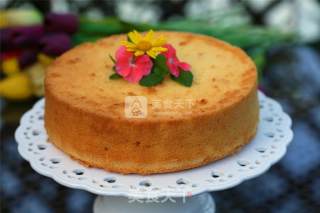
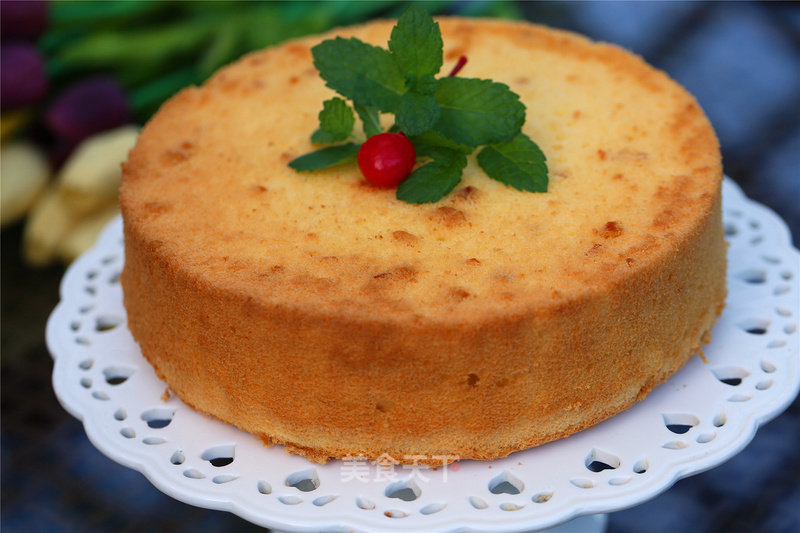
Orange Chiffon Cake
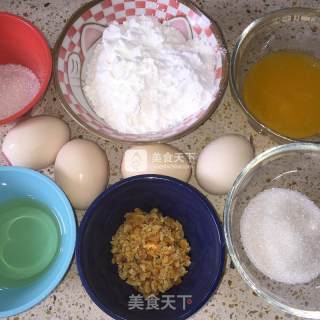
1. Material preparation.
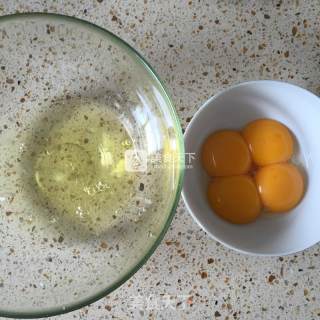
2. Separate the protein.
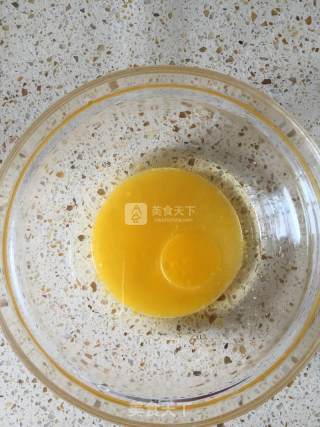
3. Put orange juice, caster sugar, and salad oil in a bowl and stir with a manual whisk until the sugar melts.
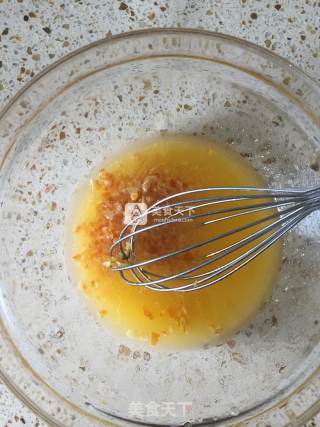
4. Pour in orange zest and stir well.
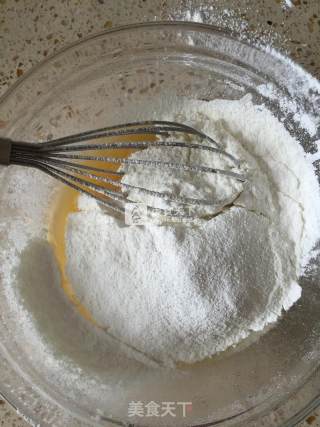
5. Mix low-gluten flour, cornstarch, and baking powder into the orange juice and mix well.
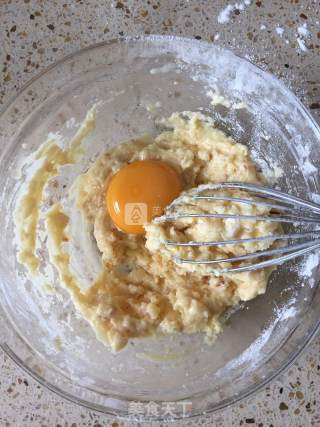
6. Add egg yolks in portions and mix well.
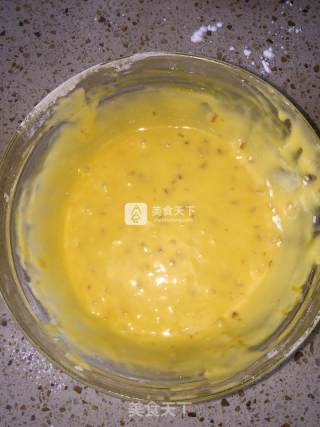
7. The mixed egg yolk batter. (Don't stir too much)
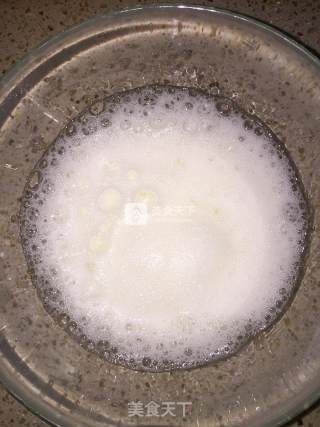
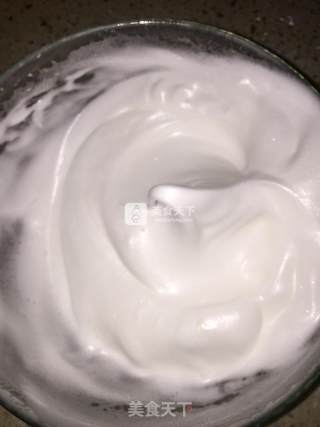
8. Put a few drops of white vinegar in the egg whites, stir with an electric whisk until fish-eye bubbles, add fine sugar in three times, and stir.
9. Beat to a state close to dry foaming.
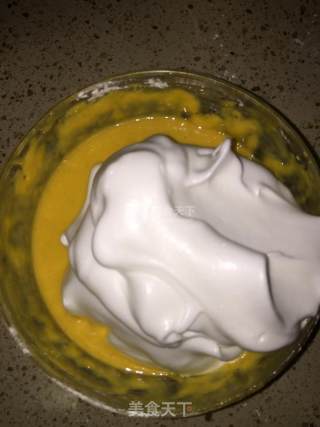
10. Add two-thirds of the egg whites to the egg yolk batter and mix well.
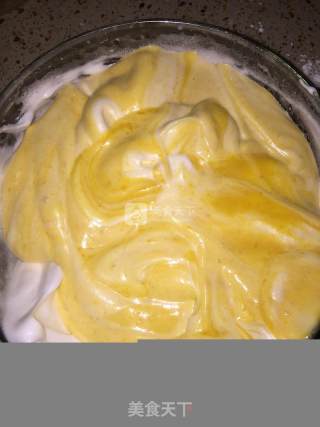
11. Pour the mixed batter into the remaining one-third of the egg white foam and stir briskly. Never stir.
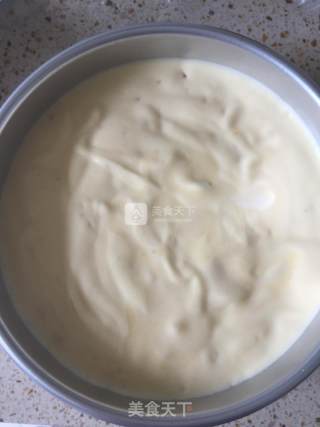
12. Pour the batter into the mold. Shake a few times and put in the oven at 165 degrees for 30-35 minutes.
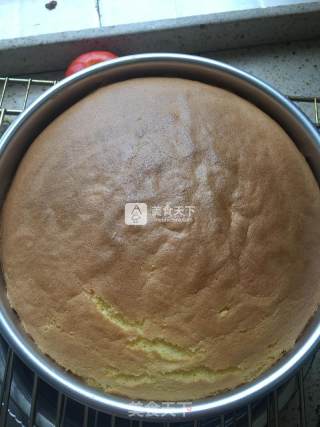
13. Take out the cake, quickly invert it on the baking net and let it cool off the mold.
14. Appreciation of the finished product.
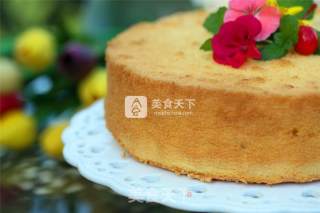
15. Appreciation of the finished product.
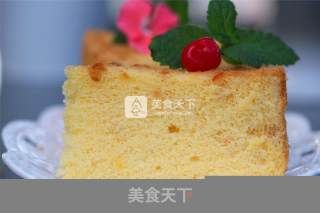
16. Beautiful waist.
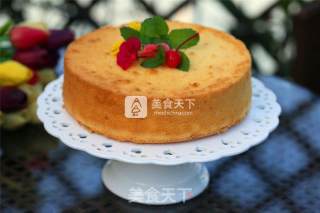
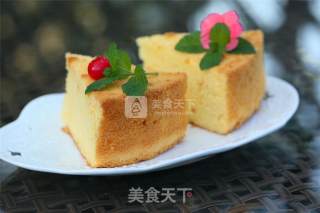
17. Appreciation of the finished product.
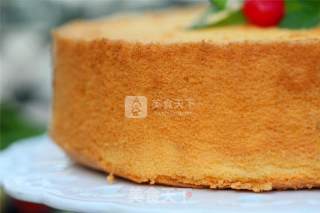
18. Large chunks of orange peel, delicious and visible.
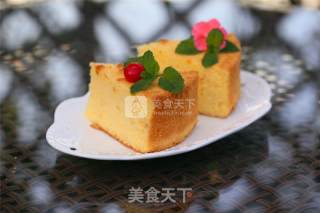
19. Appreciation of the finished product.
20. Appreciation of the finished product.
21. Appreciation of the finished product.
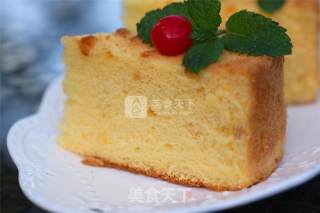

Tips: The secret to the success of Chiffon Cake;
1. The flour must be sieved, otherwise there will be large particles;
2. Don't mix the egg yolk in the egg white after the egg yolk is separated. The egg white bowl must be free of oil and water, otherwise the egg cannot be beaten, and the egg cannot be freshly taken out of the refrigerator. Egg whites are generally easiest to pass at 20 degrees.
3. Egg whitening is the key to success. There are 5 steps in egg whitening:
A Fish-eye bubble shape: Use a whisk to beat the egg whites until it is in the shape of a fish-eye bubble.
Add 1/3 of the fine sugar;
B. A thicker foam: Continue to beat until the egg whites begin to thicken. When it is thicker, add 1/3 sugar. Continue to beat
C. Lines appear on the surface: when the protein is thicker and lines appear on the surface,
Add the remaining 1/3 sugar.
D Wet foaming: continue to beat, the egg white can pull out the curved sharp corners, and it has reached the level of wet foaming.
E Dry foaming: continue to beat, the egg white can pull out a short and upright sharp corner, which means that it is good to pull~~~~
4. The speed of egg white beating is from the low speed at the beginning to the high speed later. This can also be better spent. Adding a little bit of tartar or a few drops of lemon juice to the egg whites can also help to pass. Check whether there is any water on your whisk. If there is water, you will not be able to pass it.
5. When the two batters are mixed together, you must not go around in circles, otherwise the bubbles will disappear. Mix up and down, left and right, and then mix it.
6. When pour into the cake mold, if the batter falls down like a ribbon, it is almost considered a success, otherwise, the mixing method is incorrect and the batter has defoamed.
7. When pour into the cake mold, hold it up and tap it a few times to expel the gas in the batter.
7. Baking the undercut is to reduce the degree of retraction.

 Buy on JD
 Buy on Amazon