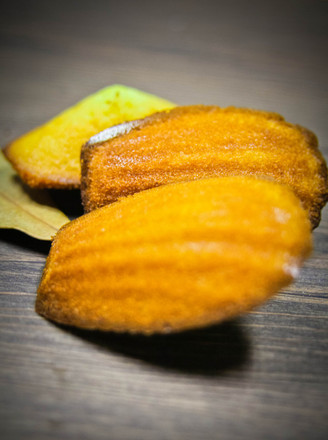
Original Madeleine
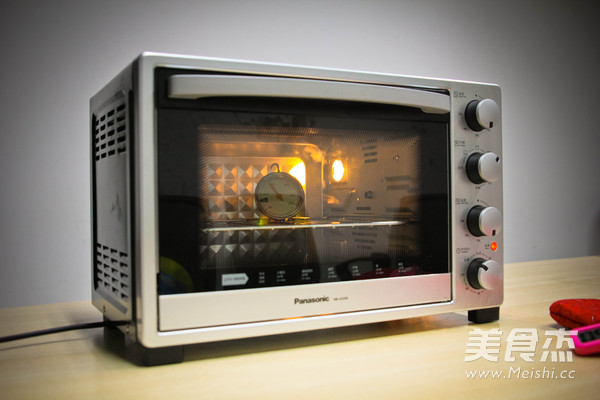
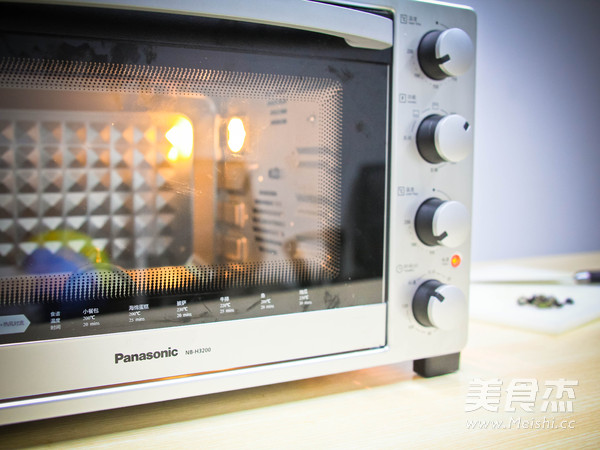
1. The temperature of this oven is very accurate, and the upper and lower tubes are independently controlled, which is perfect in terms of airtightness and controllability.
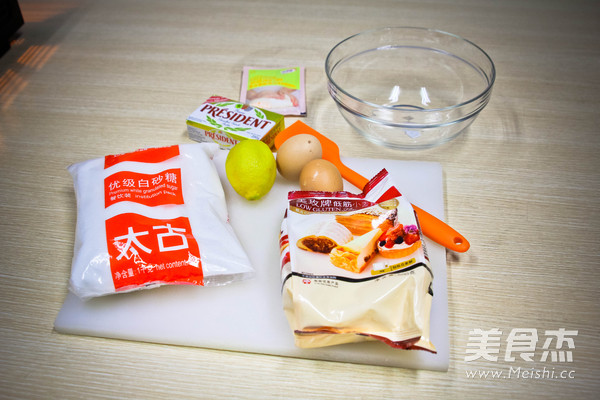
2. Material preparation,
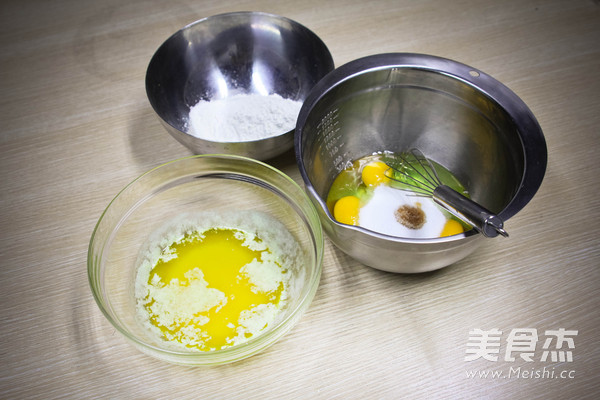
3. Sift low-gluten flour and baking powder; melt butter; put eggs, sugar and vanilla extract in a basin for later use
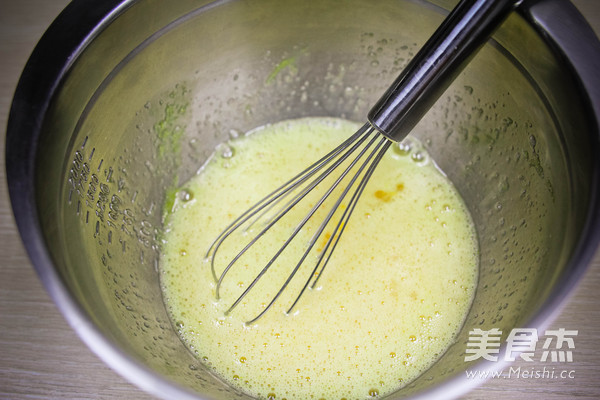
4. Mix the eggs, white sugar, and vanilla extract with a hand-held whisk, and stir evenly, do not beat
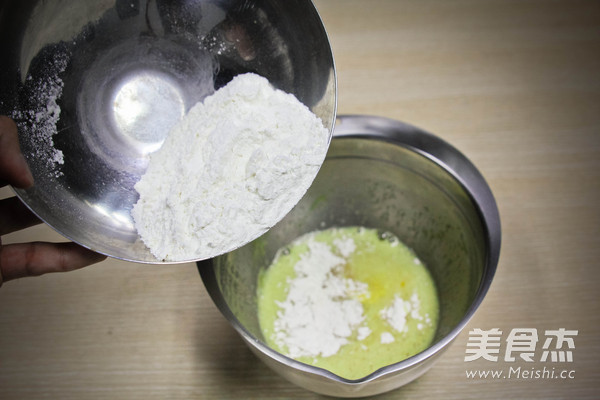
5. Then add the sifted powder into the egg liquid in batches
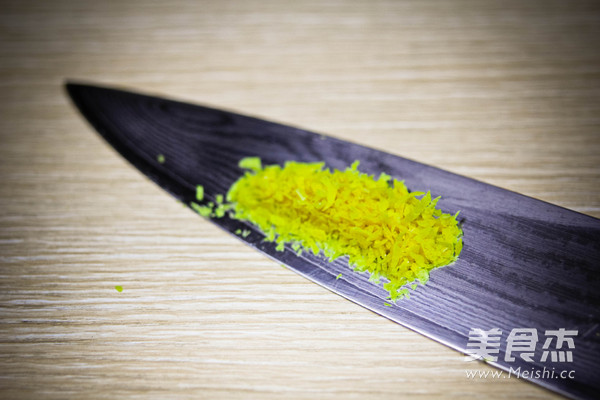
6. Lemon zest can be used as a spare, you can scrape it off with a knife and then chop it; don’t scrape too deep, the white flesh part is very bitter
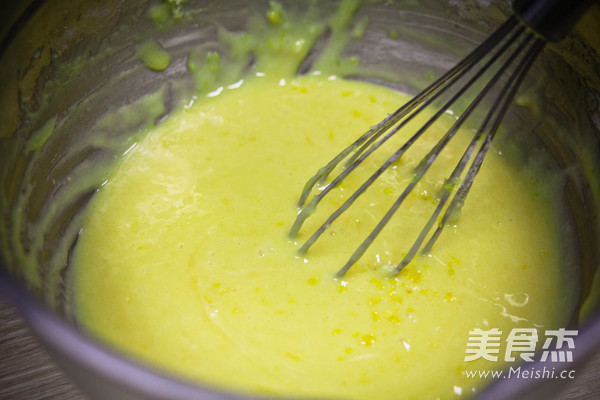
7. Stir gently
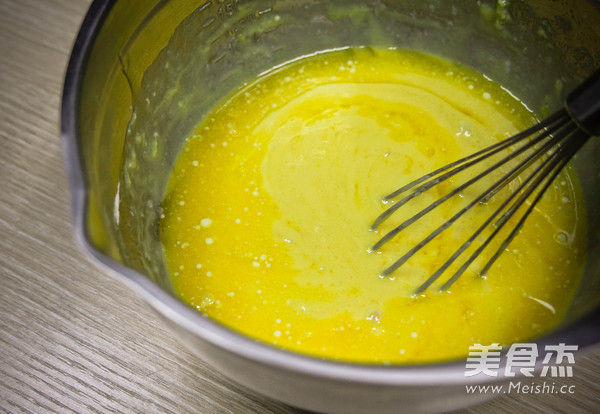
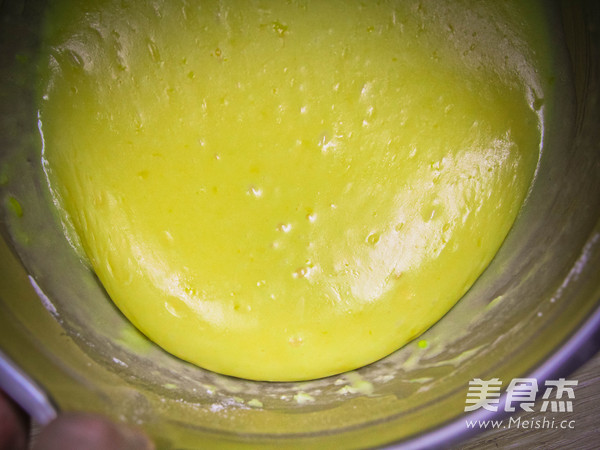
8. Then add the melted butter; stir evenly, if the stirring is too much, gluten will affect the overall taste. At this time, the batter has high fluidity. Put it in the refrigerator for 40-60 minutes to make the batter material more fused and increase the adhesion. After the mouthfeel is more soft and delicate
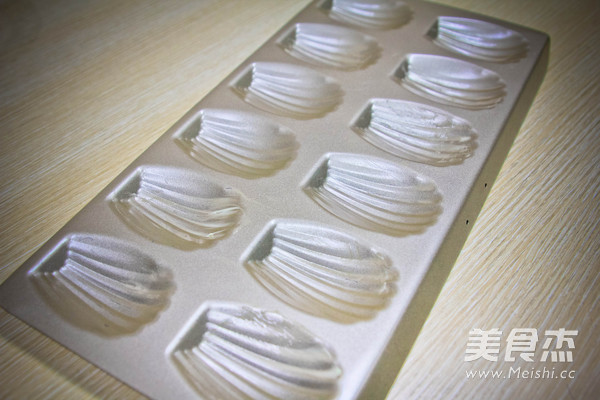
9. Spread a thin layer of butter on the Madeleine mold for easy demolding later; at this time, preheat the oven to 190 degrees
10. Take the batter out of the refrigerator after 60 minutes. It is obvious that the batter thickens and the fluidity is reduced; at this time, we put the batter for about 15 minutes to warm up
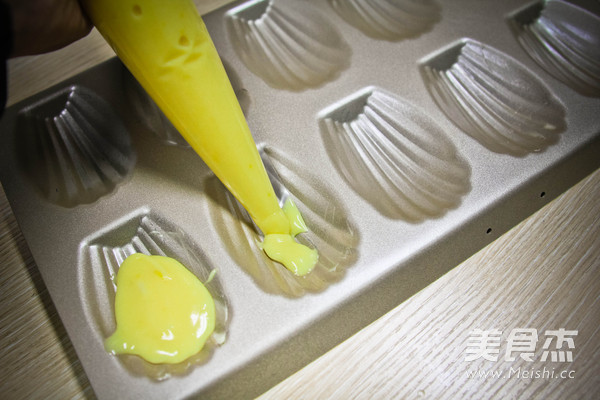
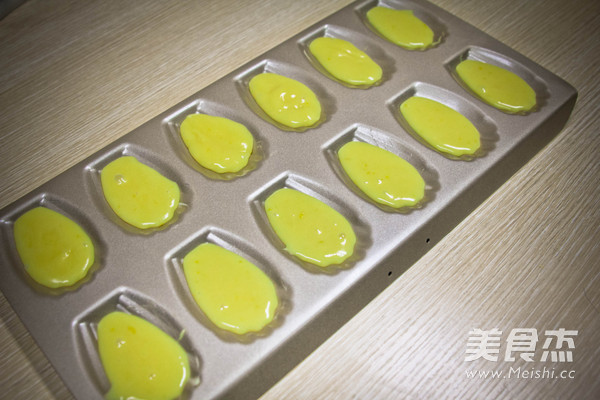
11. Use a piping bag to squeeze the batter into the mold, 7-8 minutes full. If you squeeze too much batter, it will overflow after heating and expansion, which will affect the appearance and shape, and the interior is difficult to mature
12. Finished into the mold; because there is still a little batter left, I also prepared a 6-inch round mold to bake a round biscuit base
13. Put it in the preheated oven, heat up and down at 190 degrees, bake for 13-15 minutes
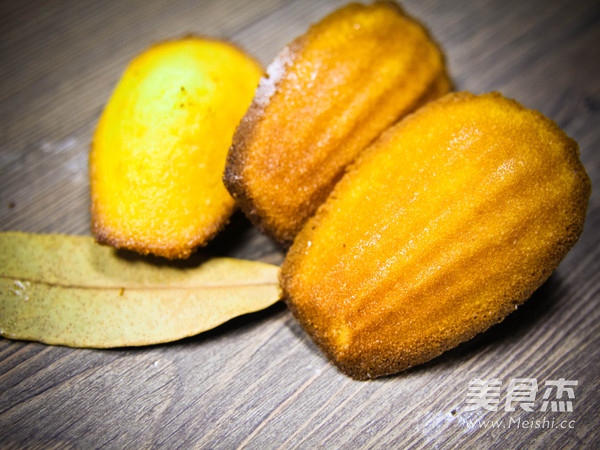
14. Remove the mold while it is hot after baking
Tips: 1. If you can't use the remaining batter, you can pour it into a round mold and bake it to make a mousse biscuit base, which tastes equally good;
2. Remove the mold while it is hot after baking.

 Buy on JD
 Buy on Amazon