
Poor Man's Edition Brioso
by Food·Color
Favorite
Difficulty
Easy
Time
2h
Serving
2
It’s still the most worry-free days of the poor.
"The poor man's version of Brioucio's dough is particularly suitable for making plain toast or sandwich bread, because it is the easiest version to handle so far. This bread is still a rich type of bread, and the proportion of butter in the flour exceeds 20%, but it is not Compared to those with higher fat content, it lacks the texture of melt-in-the-mouth butter."
From the rich to the poor, the amount of butter has been drastically reduced, but the amount of eggs does not seem to have changed much. For 100 grams of flour, about 1 egg is basically used. In this way, the poor man's version of Briouciu is more of the taste of eggs, while the rich people taste the aroma of butter.
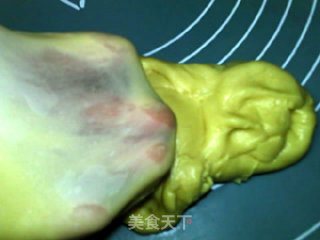
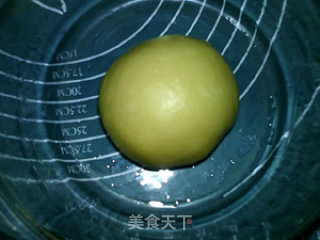
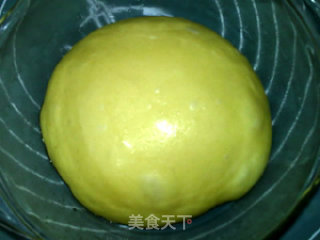
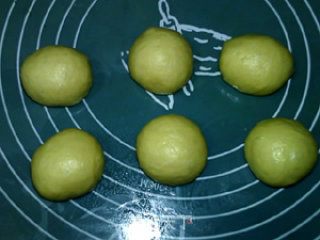
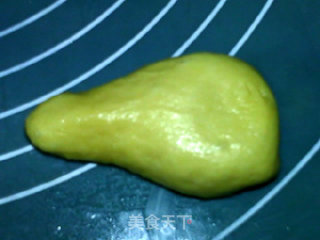
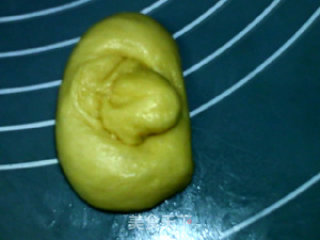
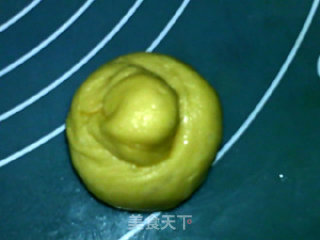
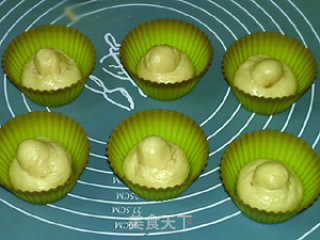
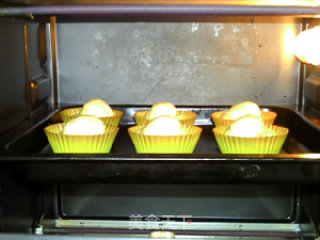
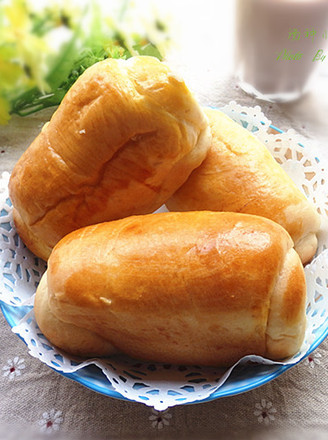
The poor do not have a refrigerator, so the kneaded dough does not need to be refrigerated overnight, but can be fermented directly at room temperature. The fermentation time is of course related to the temperature. Continue to drill holes and plastic surgery, I feel that this method is easier and more convenient to do. However, there are still some unexpected situations. After the dough expanded, the big head was tilted to one side. After being baked into golden color, it reminds people of all kinds of arhats in Luohantang, but after getting out of the mold, they can't help but want to shout—chicken run! "
"The poor man's version of Brioucio's dough is particularly suitable for making plain toast or sandwich bread, because it is the easiest version to handle so far. This bread is still a rich type of bread, and the proportion of butter in the flour exceeds 20%, but it is not Compared to those with higher fat content, it lacks the texture of melt-in-the-mouth butter."
From the rich to the poor, the amount of butter has been drastically reduced, but the amount of eggs does not seem to have changed much. For 100 grams of flour, about 1 egg is basically used. In this way, the poor man's version of Briouciu is more of the taste of eggs, while the rich people taste the aroma of butter.
The poor do not have a refrigerator, so the kneaded dough does not need to be refrigerated overnight, but can be fermented directly at room temperature. The fermentation time is of course related to the temperature. Continue to drill holes and plastic surgery, I feel that this method is easier and more convenient to do. However, there are still some unexpected situations. After the dough expanded, the big head was tilted to one side. After being baked into golden color, it reminds people of all kinds of arhats in Luohantang, but after getting out of the mold, they can't help but want to shout—chicken run! "
 Buy on JD
 Buy on Amazon