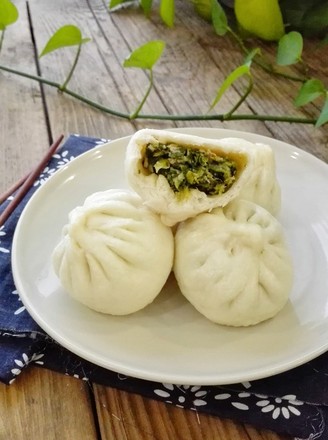

Pork and Chinese Cabbage Buns
by mature11
Favorite
Difficulty
Normal
Time
30m
Serving
2
The appearance of pakchoi is ugly, and few people like to eat it nowadays, because there are more options for pakchoi, so other vegetables are generally chosen. Pakchoi contains crude fiber and tastes not so good, so everyone buys it even less.
In fact, pakchoi has many benefits. Pakchoi contains protein, fat, crude fiber, carbohydrates, acidic pectin, calcium, phosphorus, iron and other minerals and a variety of vitamins. It is the most abundant vegetable in minerals and vitamins. It provides material conditions to ensure the body's physiological needs and helps strengthen the body's immunity. Compared with Chinese cabbage, Chinese cabbage has twice the calcium content, about three times the vitamin C content, and 74 times the carotene content. Pakchoi contains more carotene than beans, tomatoes, and melons. It is rich in vitamin C. After entering the human body, it can promote skin cell metabolism, prevent skin roughness and pigmentation, make skin bright and clean, and delay aging.
The mineral calcium and phosphorus contained in pakchoi can promote bone development, accelerate the body's metabolism, and enhance the body's hematopoietic function. It is also rich in vitamin B1, vitamin B6, pantothenic acid, etc., which can relieve mental tension. Eating more cabbage before the exam will help keep your mind calm. Chinese cabbage also contains anti-allergic vitamins, which help the urticaria to go away.
Chinese cabbage is good for preventing cardiovascular disease, preventing cancer and anticancer, and can improve intestines and stomach, promote intestinal peristalsis, and keep bowel movements unobstructed. It can also invigorate the spleen and diuresis and promote absorption.
Chinese medicine believes that Chinese cabbage nourishes the stomach, has a bitter and slightly cold taste, and has the effects of relieving fever and irritability, and promoting intestines and stomach. The folks often say that Chinese cabbage raises people.
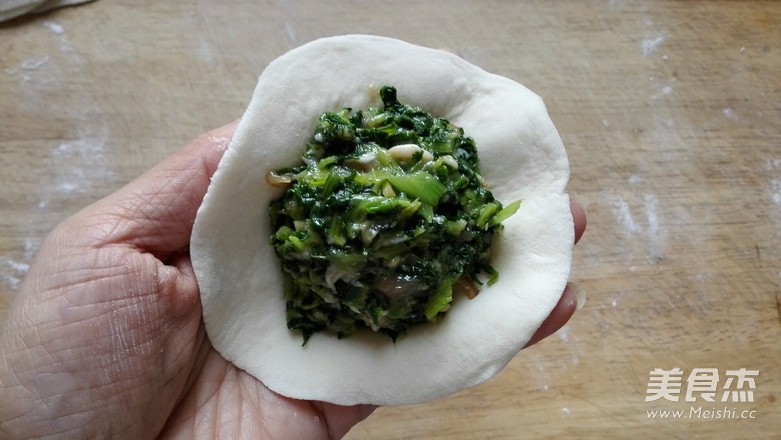
There are many ways to eat pakchoi, which can be stir-fried or stir-fried with shiitake mushrooms, mushrooms, bamboo shoots, etc., or as a soup. But the stir-fry is always not so delicious, so I prefer to use it for stuffing.
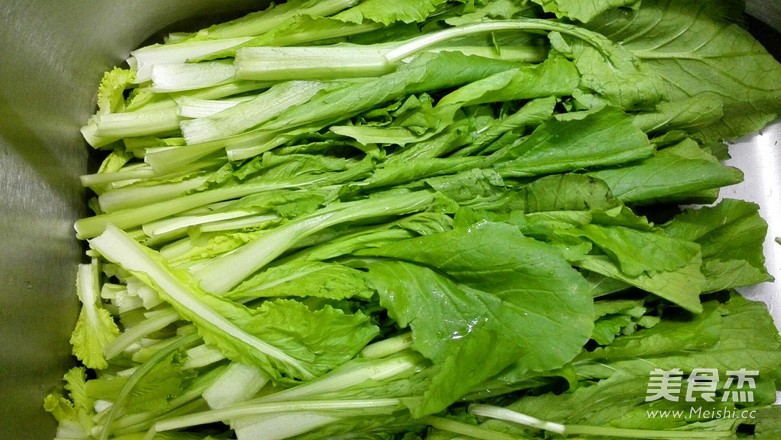
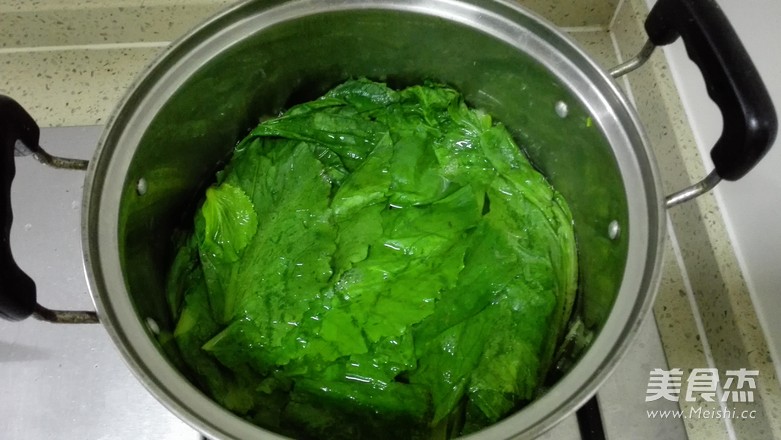
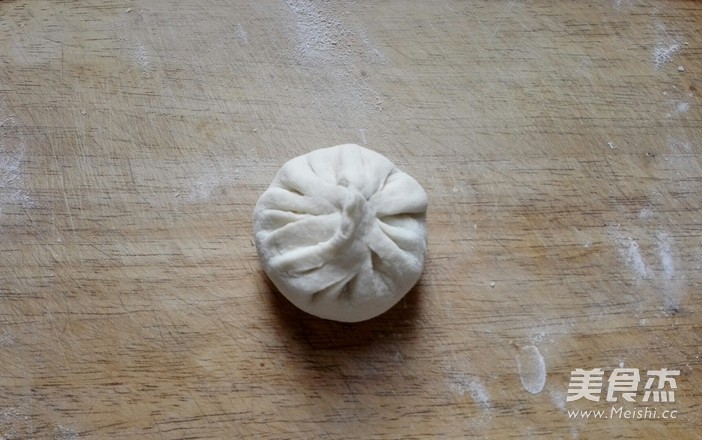
I always want to buy more cabbage to eat when I visit the vegetable market, but whenever I see insect eyes on the leaves, I worry about insects and stay away. This time, I just saw the cabbage in the market very clean and tidy. I didn't see the insect eyes. It was not expensive. It was only 1 yuan and 5 jin. I decisively bought more than 2 jin. When I go home to wash and perm, the noodles are burnt, and the fragrant dumplings are in front of my eyes. Our stuffing is very fragrant. There is a unique way to mix stuffing. If you eat this way, children who don't like vegetables will want it! Closer to home, let's see how I did it!
 Buy on JD
 Buy on Amazon