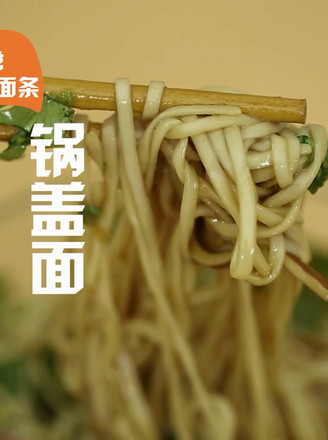

Refined Lard
by meggy dancing apple
Favorite
Difficulty
Easy
Time
30m
Serving
2
Lard is excellent for cooking, cooking noodles, or making Chinese dim sum. Today I will record the practice of boiling lard. "
1. Scrape the dirt off the surface of the lard with a knife, first cut into large pieces
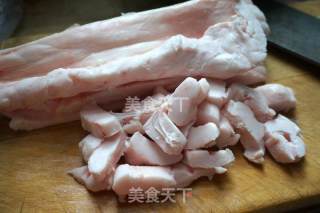

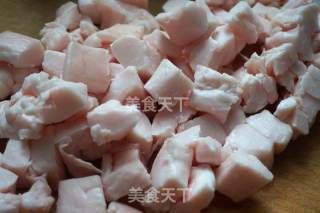
2. Cut into small pieces of 2, 3 cm

3. Pour a bowl of cold water into the wok
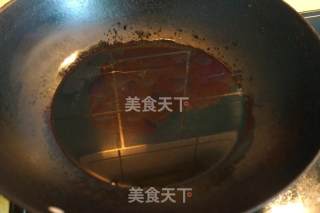

4. Pour the suet cubes into the pot and stir a few times
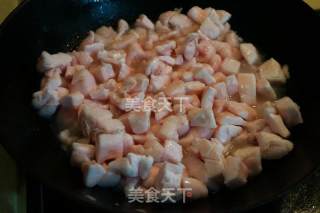

5. Bring to a boil on high heat, the suet has changed color, and the soup turned milky white
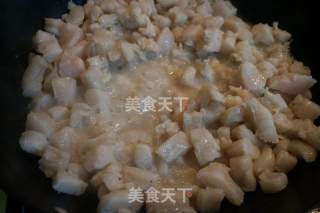

6. Turn to medium heat and continue to boil. The suet cubes become transparent, and the water evaporates unknowingly, leaving only shiny lard.
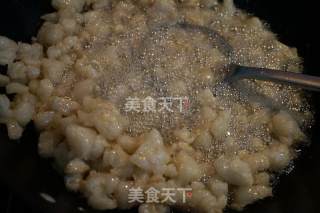

7. Spoon a spoonful of oil, it's still slightly cloudy
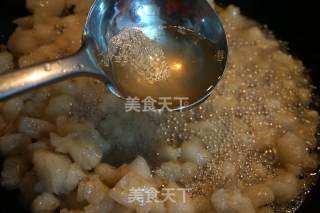

8. Continue to medium heat, the suet blocks become smaller and smaller, gradually becoming oily residue, and the oil is clearer
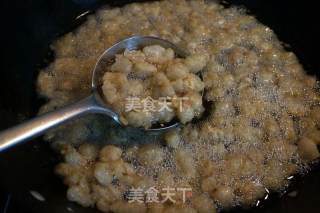

9. When the edge of the oil residue is slightly yellow, turn off the heat, remove the oil residue, and only clear lard is left. After the small oil residue settles, you can use a spoon to remove it into a bowl, and the remaining residue can be used for cooking.
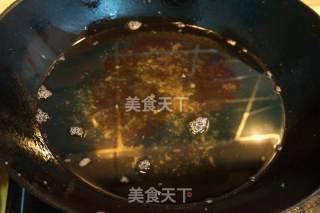

10. Look, the oil residue is also very fragrant, don’t throw it away, you can make delicious pies or big buns with shredded radish
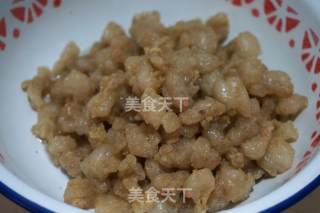

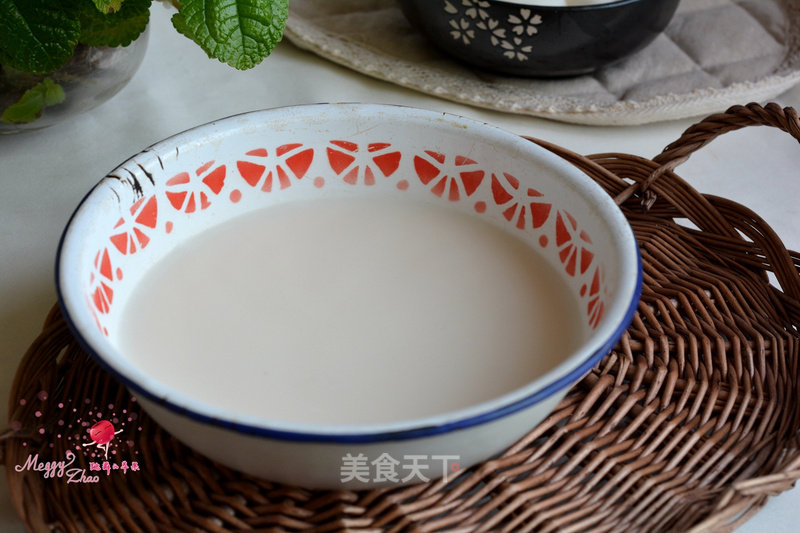
11. This is boiled lard, very bright, slightly yellow in color, just let it cool naturally
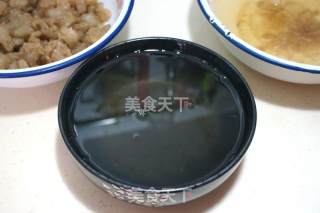

12. Delicate and white
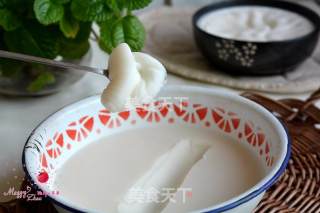

Tips:Put cold water in the pot to boil the lard without worrying about the oil bursting out, so that the boiled lard is clear, clean, and has no burnt smell; the boiled lard will condense after cooling at room temperature, and it can be stored in the refrigerator. It can be stored in a cool place; I put the oil in the black bowl into the refrigerator while it was hot, because the sudden cold caused the surface to be not smooth after condensation, but the taste did not affect the taste; the oil residue is a good thing, used to make The filling is very fragrant. When I was a child, my home boiled a bit more brown than it is now. I often used it to mix with white sugar. At that time, I really thought it was delicious on earth.