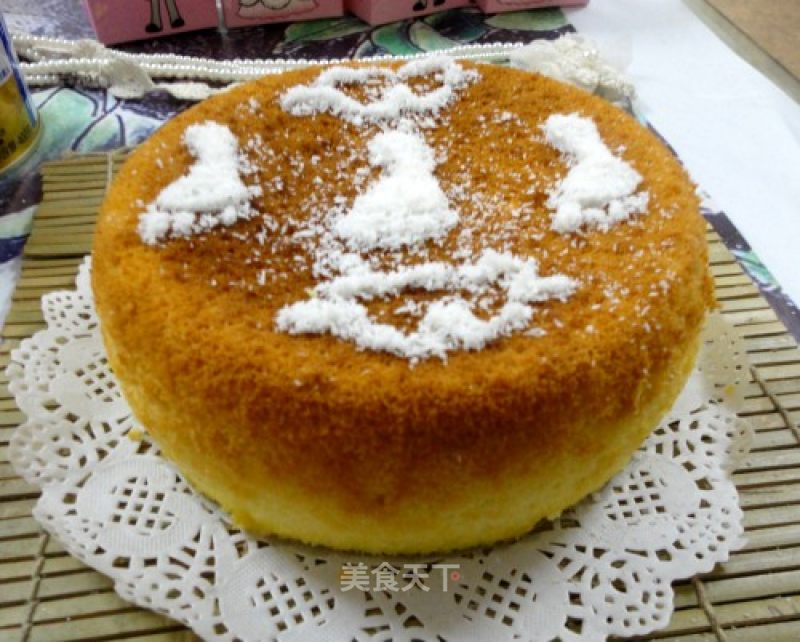

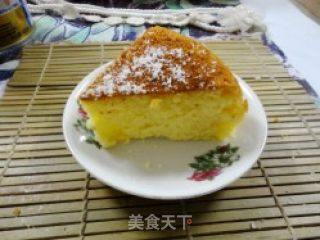
Rice Cooker Makes Healthy Cake---golden Sponge Cake
by Flyer
Favorite
Difficulty
Normal
Time
1h
Serving
2
A healthy cake with no additives and no baking powder. "
1. . The eggs are soaked in warm water at about 40 degrees for a while to make the eggs warmer and easier to beat.
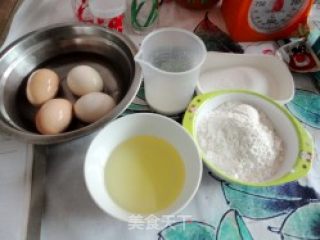

2. Beat the eggs into an oil-free and water-free container.
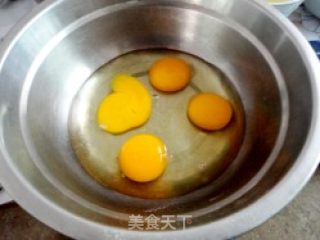

3. Beat the eggs at low speed first, then pour in the caster sugar.
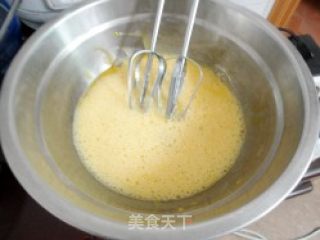

4. Put the egg bowl in a bowl filled with 40 degrees of warm water to keep the temperature (but the egg liquid temperature cannot exceed 36 degrees), first beat the egg liquid and sugar evenly at low speed until the sugar melts, and then start whipping at high speed. It is necessary to stop the whisk at intervals to prevent the whisk from being too tired and strikes. There are traces of dripping but the traces disappear quickly, and there are bubbles of different sizes on the surface, which means that there is still no whipping in place, and efforts are still needed.
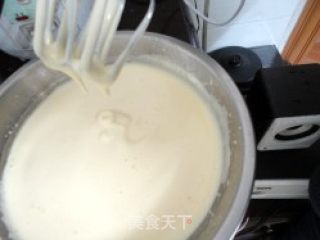

5. It wasn't until it was dismissed like this: the color was white, the surface bubbles were delicate, there was a certain consistency, and the dripping egg was in the shape of a forged ribbon, flowing from the top to the bottom, and the falling traces slowly disappeared within 5 seconds. At this time, the whole egg was completely dismissed. (My egg beater is very hot, making a cake almost scrapped the egg beater. So we must have a good quality egg beater.)
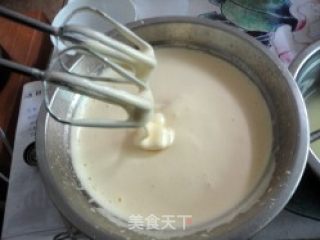

6. .Sift the flour twice before beating the eggs. This way the cake is more delicate. (I really can’t be lazy, I used to do it all the time.)
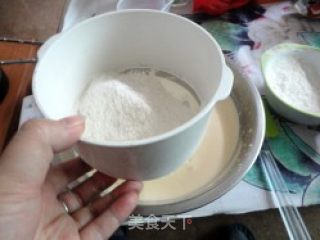

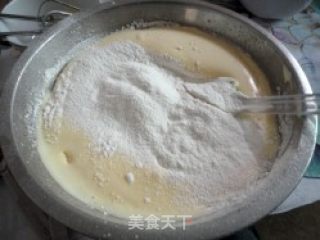
7. First use a flour sieve to sift 1/2 of the flour into the beaten egg mixture. Because the flour will sink to the bottom after sifting in, you have to use a rubber spatula to turn up from the bottom and mix the flour and egg mixture roughly.
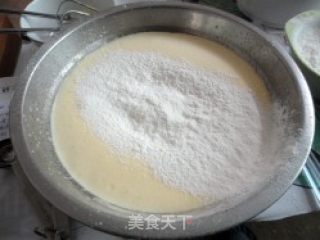

8. Sift in the remaining 1/2 of the flour and continue to turn up from the bottom with a rubber spatula until the flour and egg liquid are fully mixed and no granular flour is visible. Pay attention to the control time, too long will defoam.

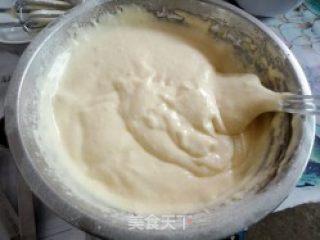
9. The final mixed batter is a little smaller than the beaten whole egg, thick, and intermittent when dripping, the traces are obvious and not easy to disappear.

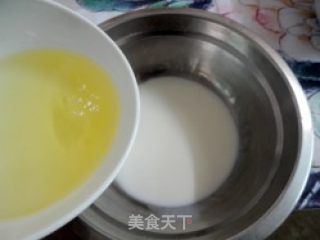
10. Mix corn oil and milk in a small bowl.

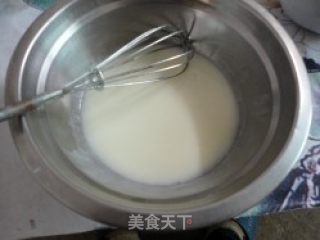
11. Stir it with a manual whisk until emulsified (the oil and water are evenly mixed), and just make a few quick turns. At this time, the milk and oil mixture can't be seen floating with oil stars at all, and it turns into a light milky yellow.

12. Take a tablespoon of the mixed cake batter and add it to a bowl and cut and mix well with butter.
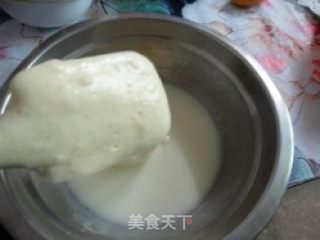

13. It can be seen that the cake batter mixed with milk and oil is very thin and has good fluidity. There are traces when dripping, but it disappears quickly.
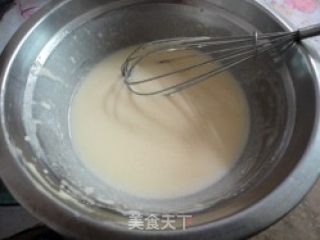

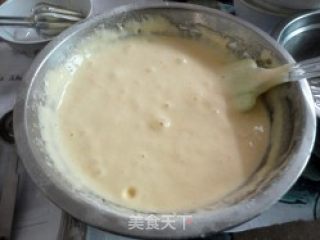
14. After mixing well, pour it back into the remaining cake batter, cut thoroughly with a rubber spatula, and mix well. The cake batter after mixing is very smooth, like silk when dripping, continuous and smooth. There will still be traces of dripping, which will not disappear quickly, and there will be dots of large bubbles on the surface, but not many. The cake batter that is mixed at the end should be used immediately, otherwise it will be easy to defoam.

15. Pour the cake batter into the rice cooker, grasp the edge horizontally and shake the rice cooker pan a few times to burst the large air bubbles on the surface.
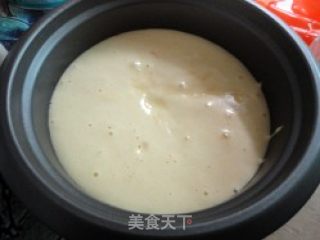

16. After tripping, press the rice cooker for 5 minutes to heat up, and then press the rice cooker to heat up after 10 minutes. Insert a toothpick 10 minutes after the tripping. It is fine if there is no batter on the toothpick. (
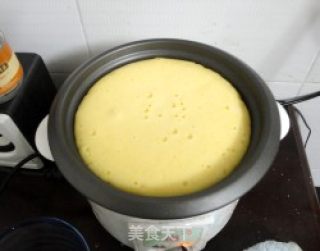

17. According to the power of my own electric rice cooker, I press this low power 4 times, because this time it is too high, after 4 trips, it will continue to keep warm for 20 minutes.)
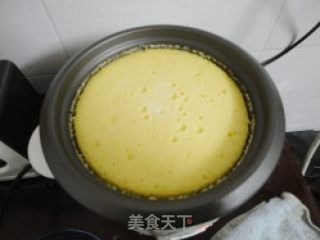

18. After taking it out, buckle for 20 minutes.
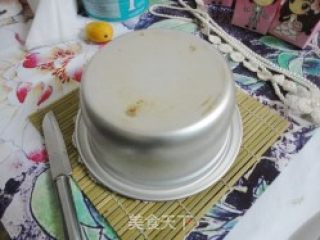

19. The pot is a bit sticky, and it can be easily demoulded with a spoon.
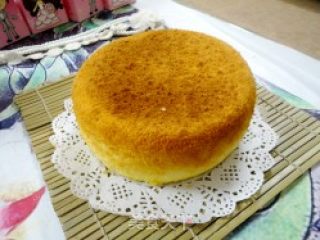

20. Isn’t it perfect, golden enough and sponge-like? wakaka··





 Buy on JD
 Buy on Amazon