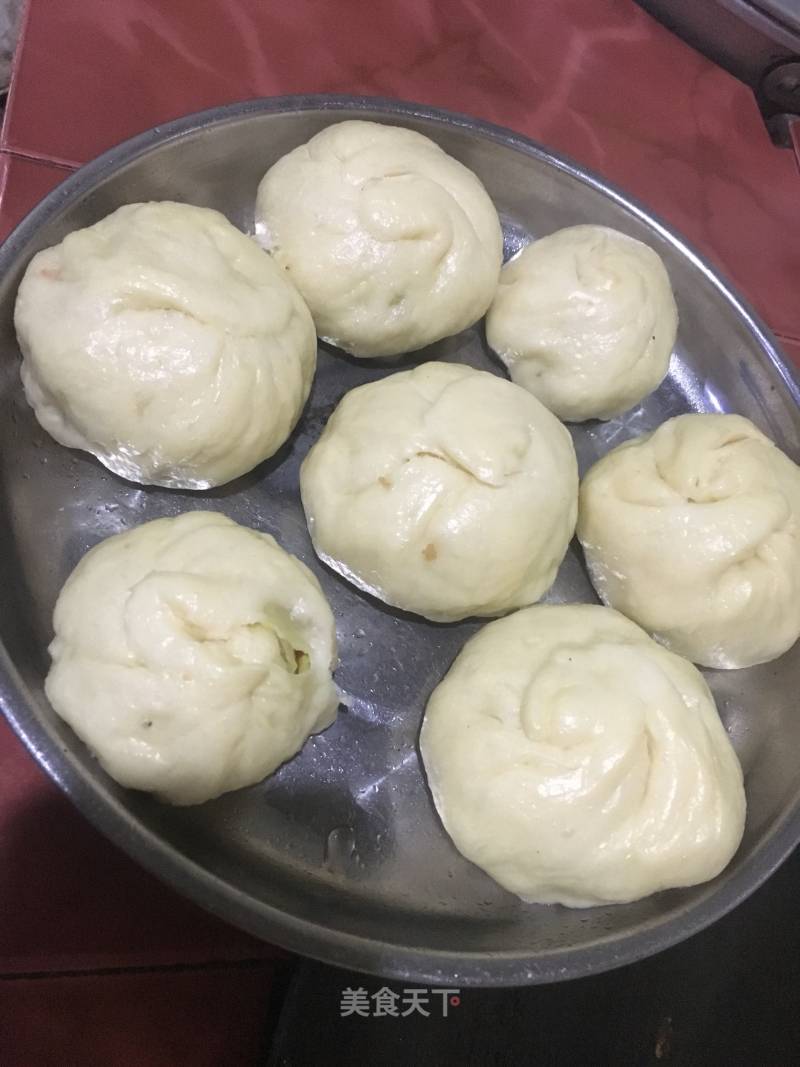

Shiitake and Radish Vegetable Buns
by luoliyj0662
Favorite
Difficulty
Normal
Time
1h
Serving
2
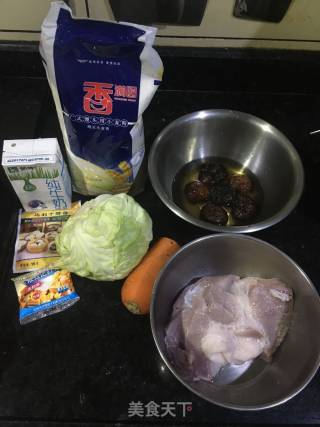
1. Prepare all kinds of ingredients

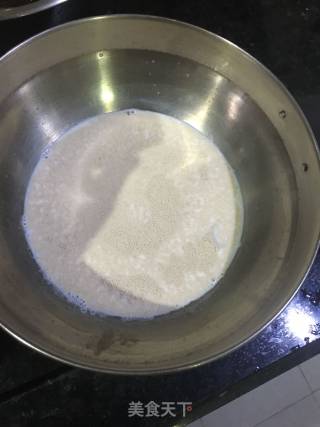
2. 160ml milk is heated to about 40℃ and put 10g yeast

3. Stir the yeast evenly and make sure it melts completely. Add 60g white granulated sugar.
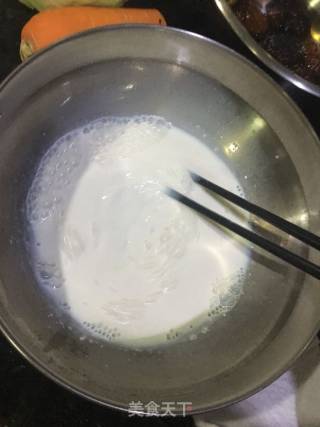

4. Add 60g sugar
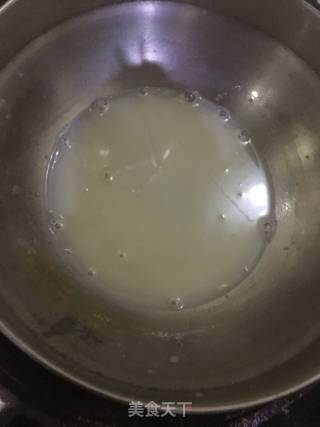

5. Pour the melted yeast milk into 400g flour
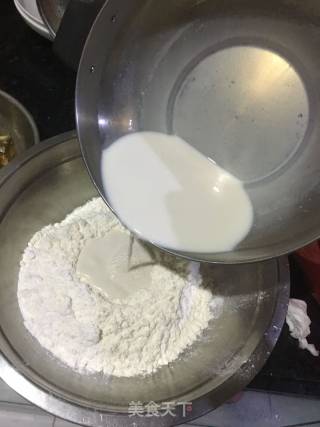

6. Stir well
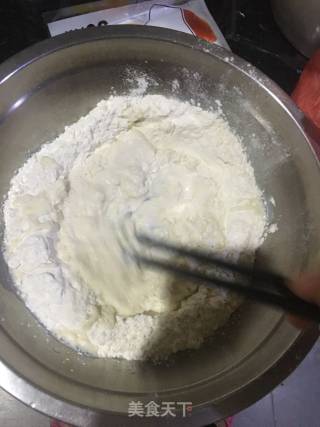

7. Knead the flour with milk to form a dough, add some dry flour when it feels thick
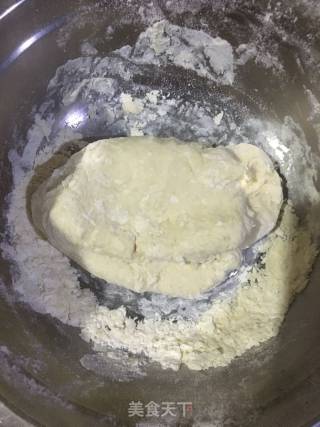

8. Put the kneaded dough on the steamer and steam it for a while, turn off the heat when the water temperature reaches 40 or 50 degrees, and let it ferment for 45 minutes to 1 hour.
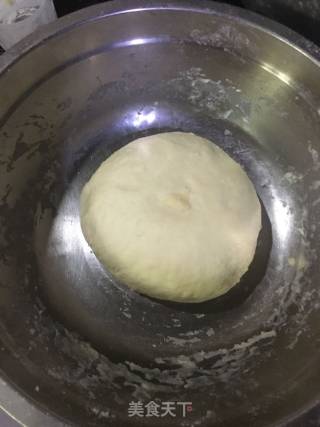

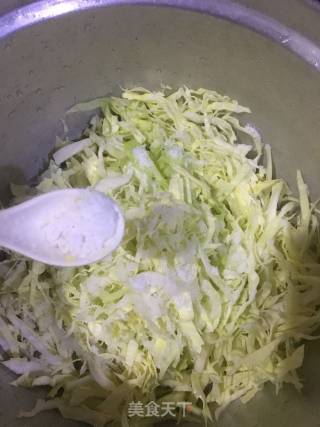
9. Cut the cabbage into thin strips, add three tablespoons of salt to marinate for ten minutes, then strain the water for later use

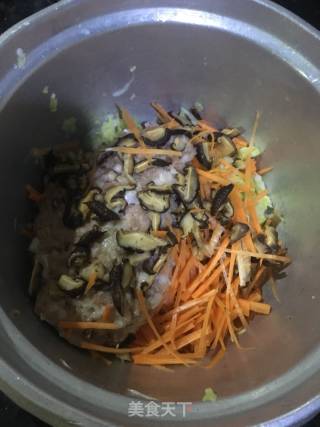
10. Then chop the meat, shiitake mushrooms and carrots and put them in the cabbage

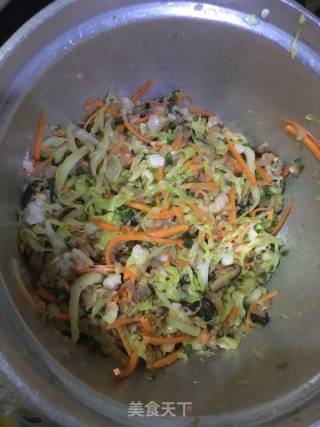
11. Put two spoons of salt, three spoons of soy sauce, four spoons of peanut oil, and then stir all the stuffing together, you can add some green onions.

12. The dough has been fermented to twice its original size, and there are bubbles when pressed
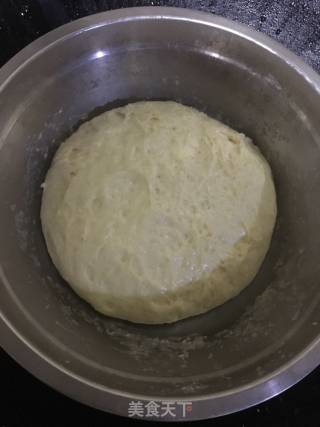

13. Add some dry flour or peanut oil and knead it into the original shape
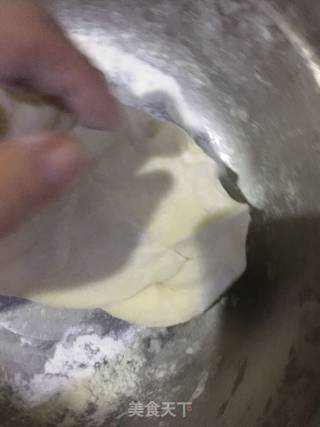

14. Divide the dough into equal parts and knead into a circle
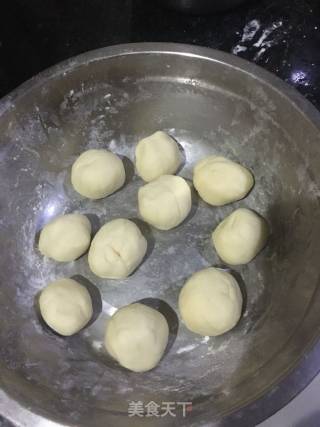

15. Soft and non-sticky
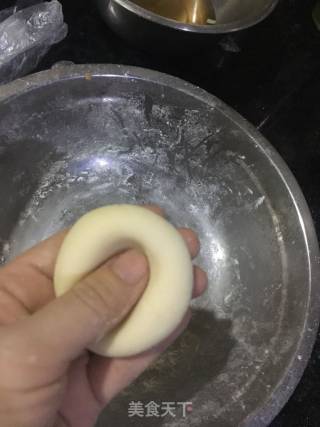

16. Soft, dry and non-sticky
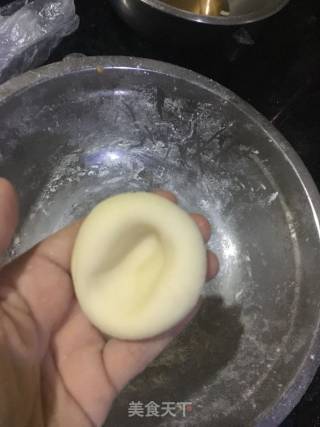

17. Thin into 0.5 cm dough
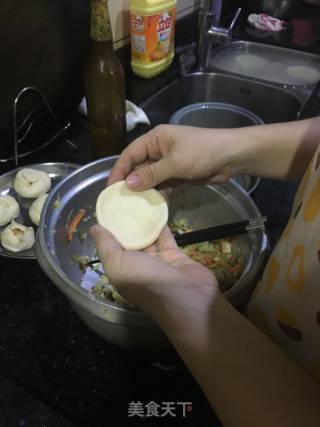

18. Put two spoons of fillings in, keep rotating your right fingers in the same direction to knead the skins, and press the fillings with your left thumbs, while moving closer to the middle, slowly close the mouth, and press the leftover skins to the top to collect them.
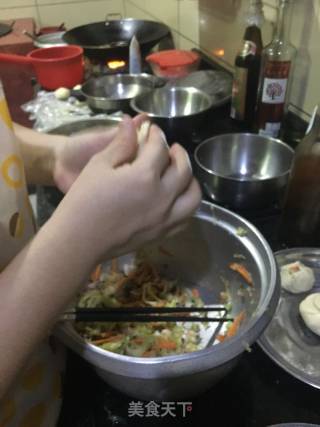

19. Just made two plates, enough for breakfast for kids😁
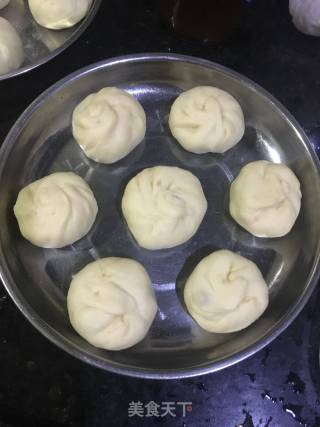

20. Put the steamer on high heat and steam for 20 minutes, turn off the heat and cover for five minutes, then uncover it.
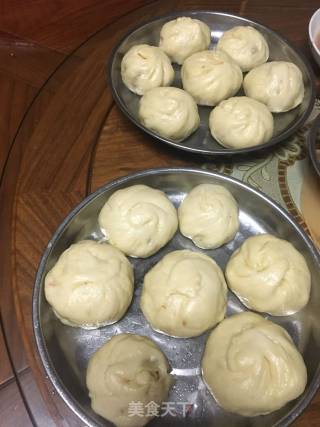

21. Very cute buns, I can’t bear to have a mouthful 😋
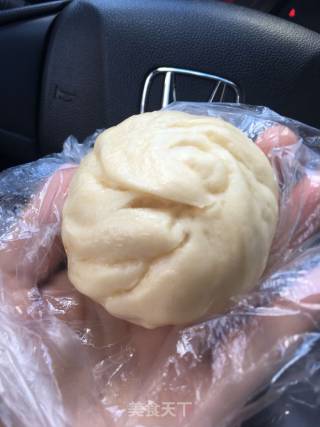

22. Then deep-fry soy milk to match the steamed buns, which is very hygienic and pollution-free food


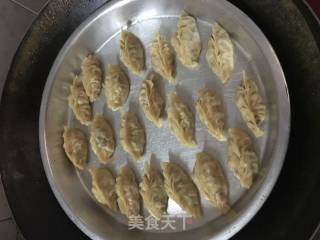
23. The leftover ingredients are too much to make dumplings
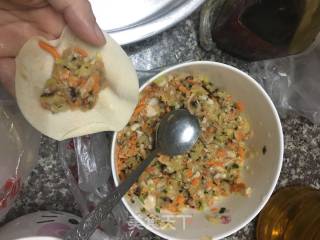

24. There are buns and dumplings to eat😊

Tips:If you want the steamed buns to ferment better, just ferment the steamed buns as before. You can add a few tablespoons of peanut oil when you stir the filling. The pork I used is fatter, so I didn’t add it. Adding 10g baking powder before kneading will make it faster. However, I heard that although baking powder and yeast are both used for baking noodles, there are still many differences:
1. In terms of type, baking powder is a compound leavening agent, which is neutral; yeast is a biological leavening agent.
2. The fermentation method is different. Baking powder is chemically fermented. Baking powder contains baking soda and tartaric acid, which produce carbon dioxide when exposed to water and heat; yeast is biological fermentation, and yeast produces carbon dioxide by yeast.
3. Different uses. Baking powder is usually used for baking cakes, biscuits and desserts, while yeast is mainly used for baking bread.
4. The time to take effect is different (that is, fermentation occurs). Baking powder rises quickly; yeast powder made from yeast rises slowly.
5. The degree of environmental impact varies. Baking powder is less affected by temperature and humidity; yeast powder needs a certain temperature and humidity to rise, if the weather is cold, it takes more time to rise or it is not easy to rise.
6. The price is different. The price of baking powder is low; the price of yeast is higher.
7. Health and safety are different. Baking powder is a chemical fluffing agent, which is composed of chemical substances. It is recommended that children and pregnant women at home minimize the use of it. Relatively speaking, yeast is natural, nutritious, healthy, safe, and does not produce bad flavor.





 Buy on JD
 Buy on Amazon