

Small Cubes of Fancy Bread
by Water pity
Favorite
Difficulty
Easy
Time
1h
Serving
2
Prepare a small meal package for breakfast, which is very convenient and easy. The filling can be red bean paste or coconut paste.
1. Add high powder, milk, and salt directly to the kneading bucket.
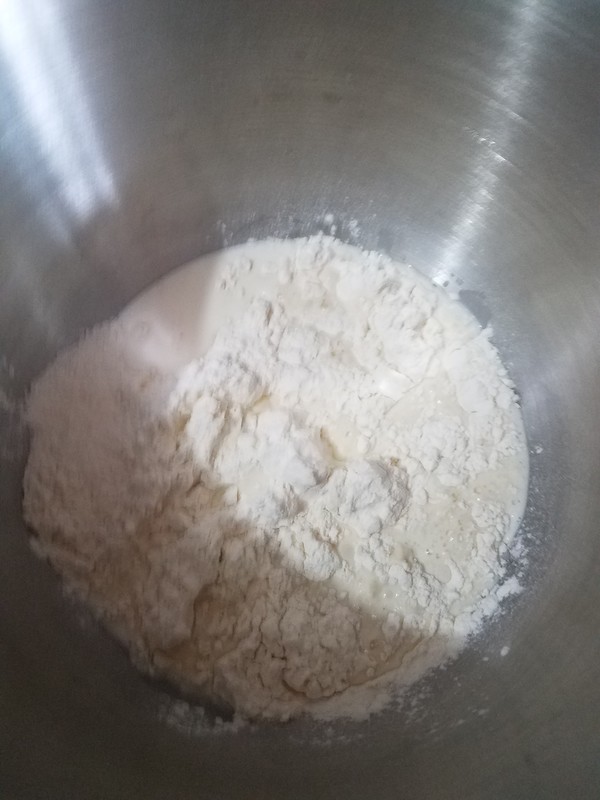

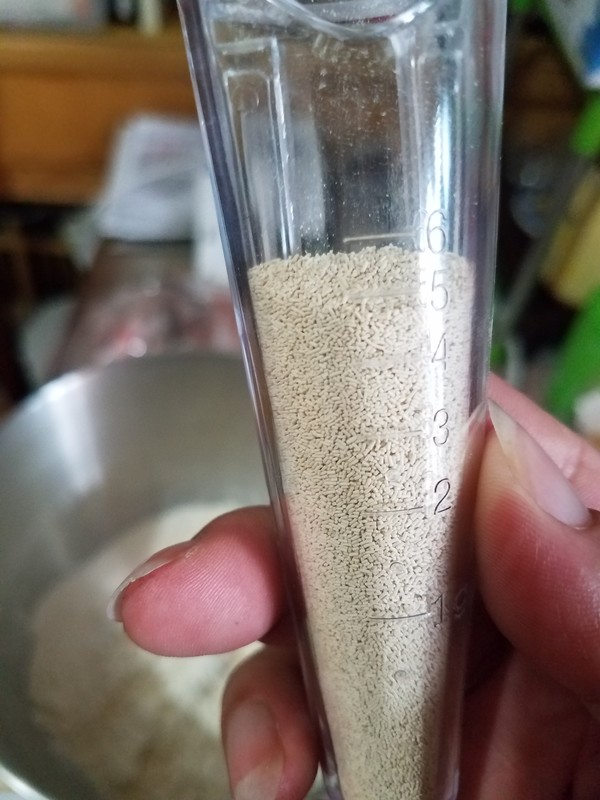
2. Place the yeast in the diagonal position of the salt.

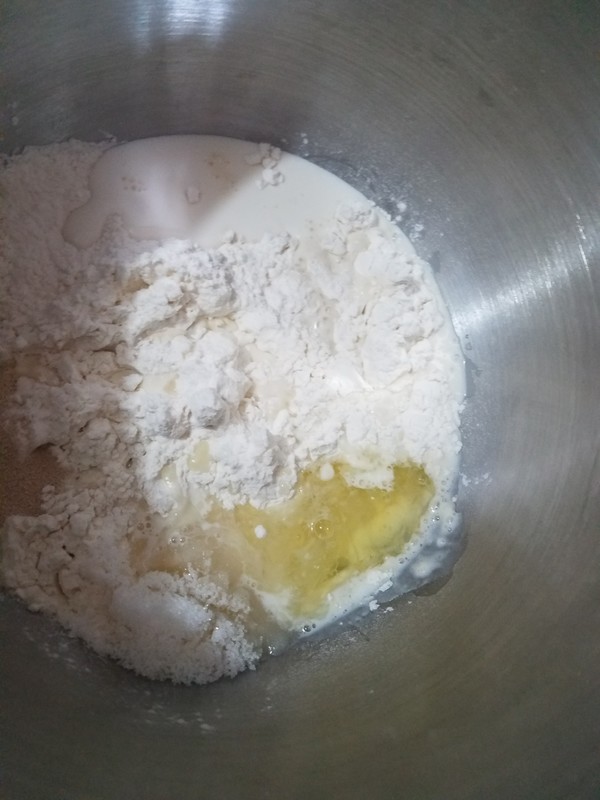
3. Separate the eggs, add only the egg whites, and set aside the egg yolk.

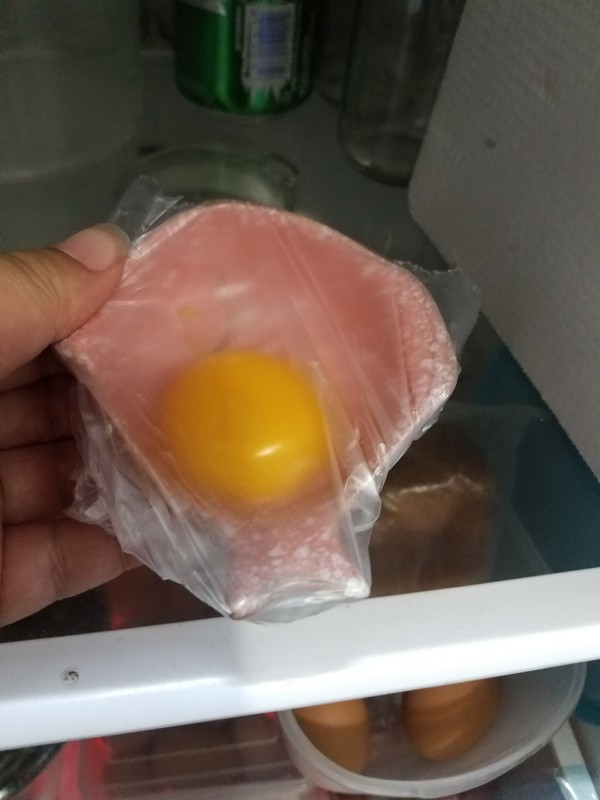
4. When kneading the noodles, wrap the egg yolks in a fresh-keeping bag or plastic wrap and put them in the refrigerator for later use. It is easy to harden the surface when standing at room temperature.

5. Stir at low speed first, then mix at medium and high speed for 8-10 minutes.

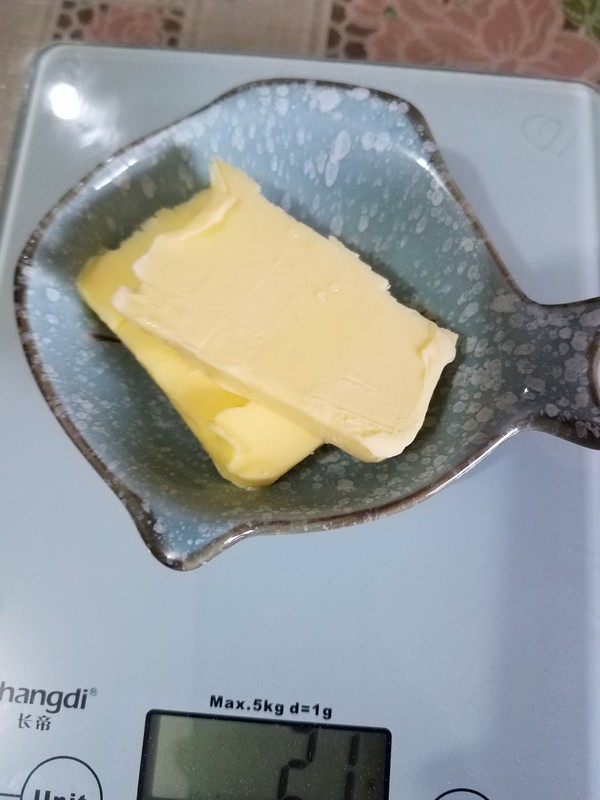
6. After the butter is weighed, it softens at room temperature.

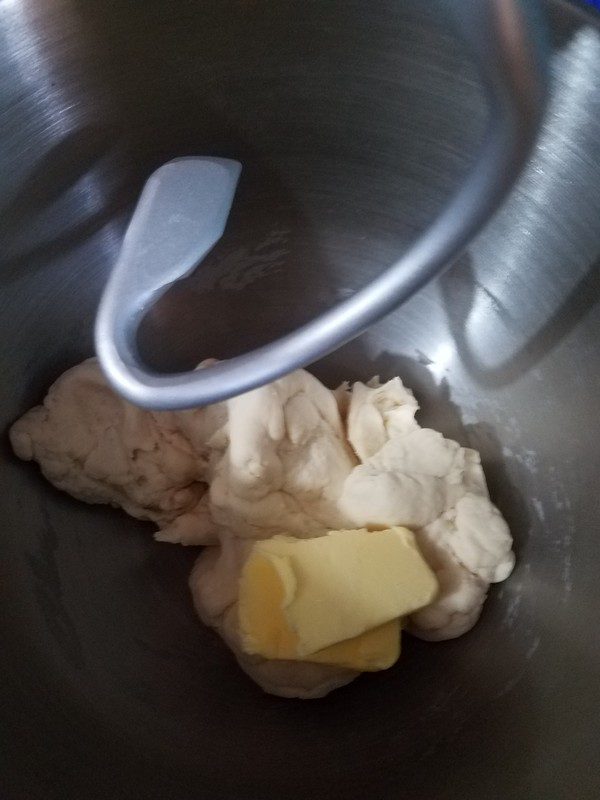
7. After the first dough mixing time is up, tear the dough into small portions, then add the softened butter, and continue to mix the dough at medium and high speed for 10-15 minutes, until the film comes out.

8. The reconciled dough is simply kneaded until smooth, wrapped in plastic wrap, and fermented for the first time.
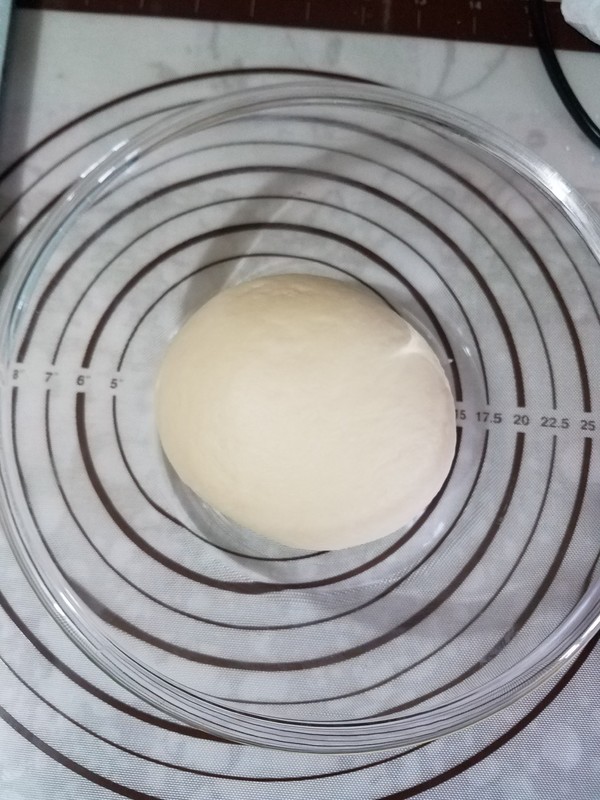

9. The dough can be fermented to twice its size, not too large.
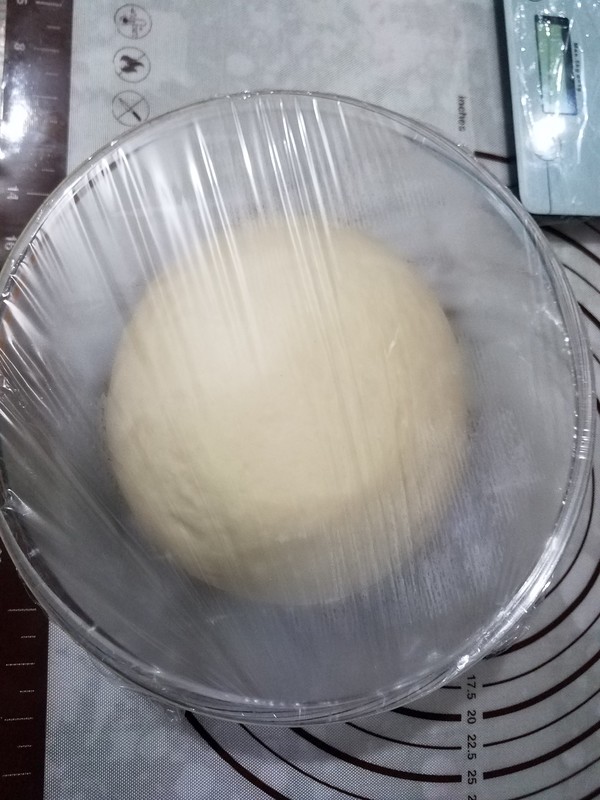

10. Just insert a finger, the dough does not shrink, it is the fermented dough.
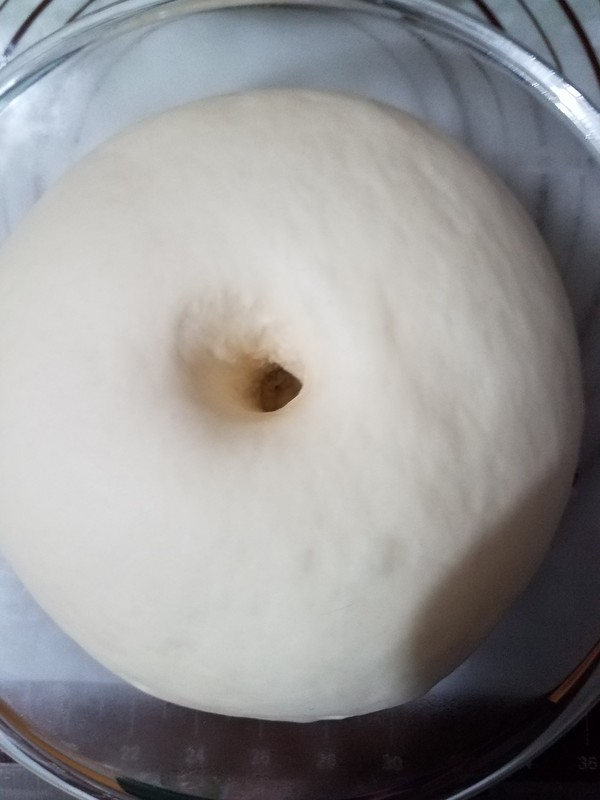

11. Take out the dried dough and let it vent, then knead it into a smooth dough and let it stand for 10 minutes.
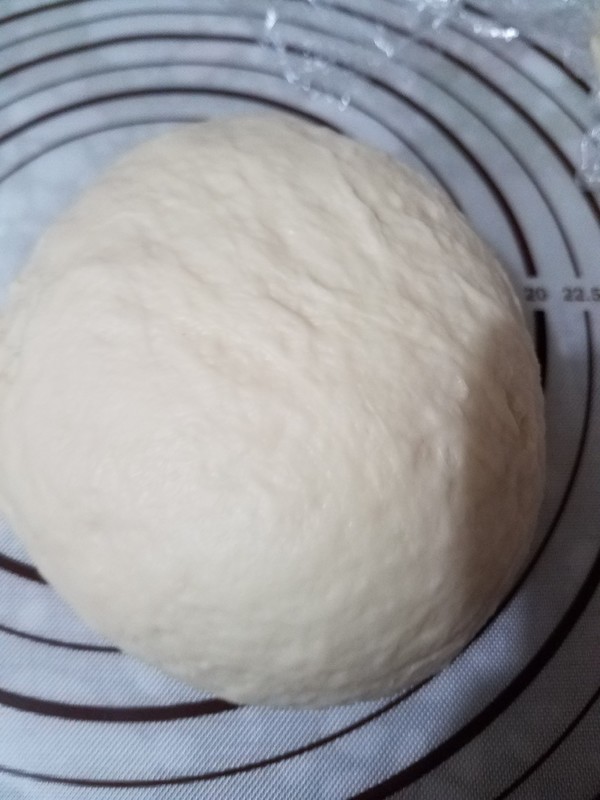

12. Divide into six equal parts, take out one part first, cover the rest with plastic wrap, and knead the dough until smooth.
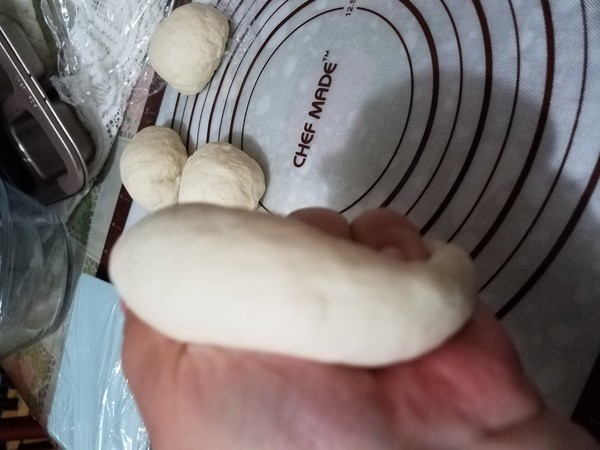

13. Roll out into a circle, thick in the middle and thin in the edges. Put the coconut paste in the middle, fix the 4 corners, and then slowly gather it up. After closing the mouth, rub it into a strip, and then turn it into small pieces.
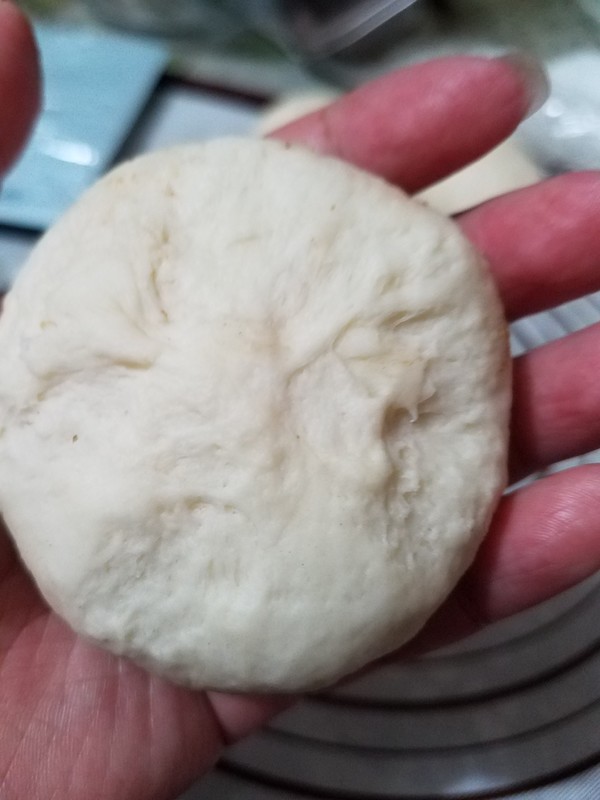

14. In the same way, put the appropriate bean paste filling in the middle, close the mouth, and make the buns. Anything is fine. Just tighten it and roll it into a cocoon pupa shape.
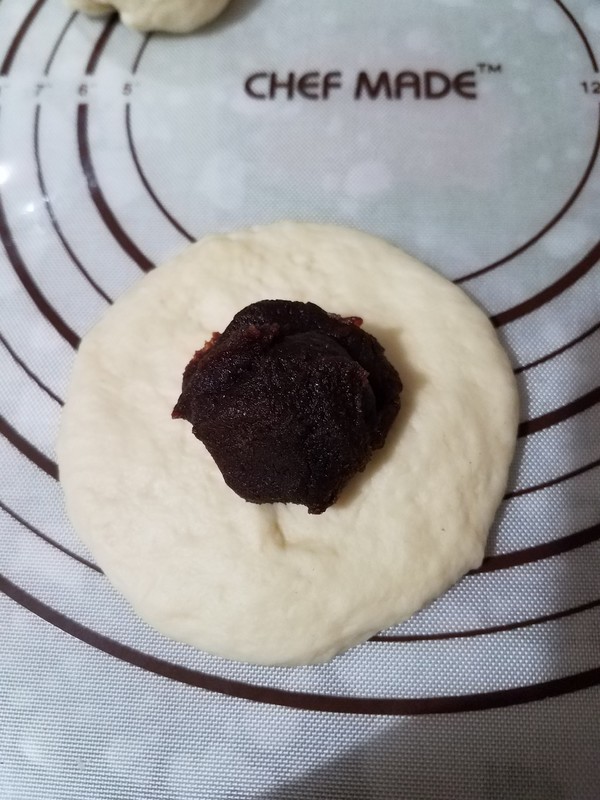

15. Squeeze it and use a rolling pin to roll it into a tongue shape. The movement must be gentle to prevent the bean paste from squeezing out.
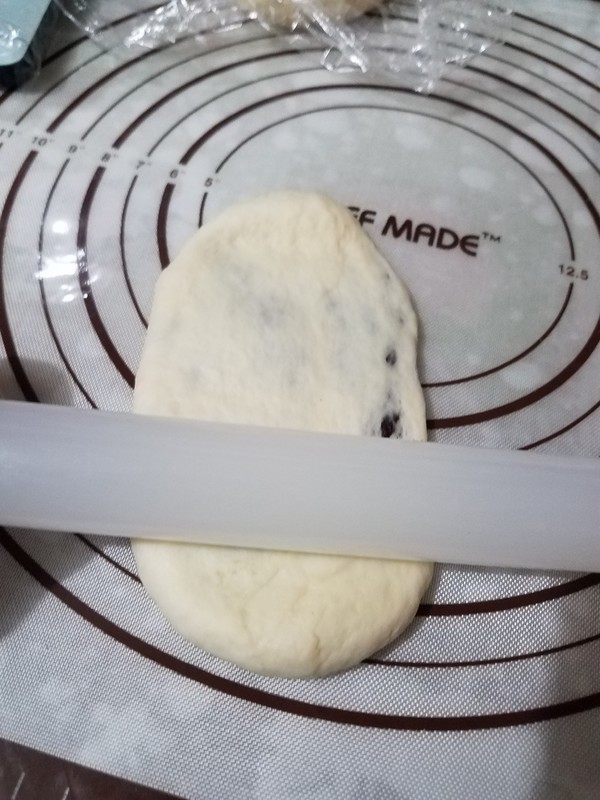

16. Use a bread knife to make even cuts, and only cut the upper layer to expose the bean paste. Do not cut the lower layer.
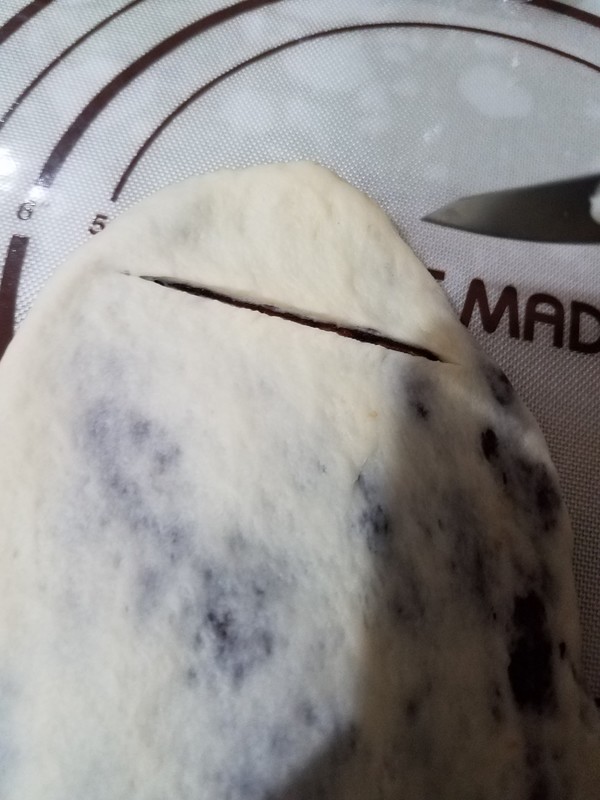

17. Gently turn it around, with the knife edge facing down. Roll up gently from the side. Rolled up to grow into a strip, and the slit turned up. Finally, roll it up in one direction.
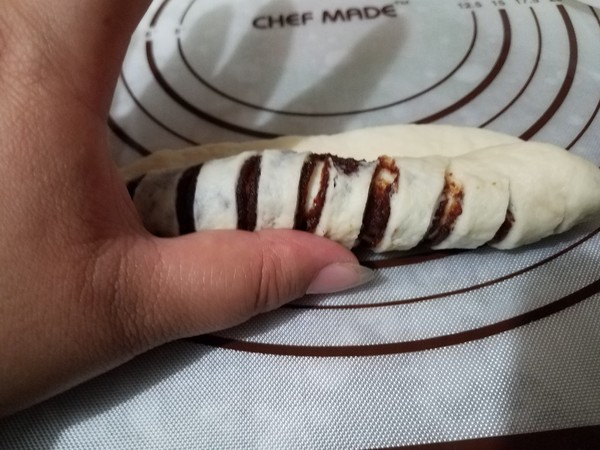

18. The easiest way is to wrap the inset directly and close the mouth.
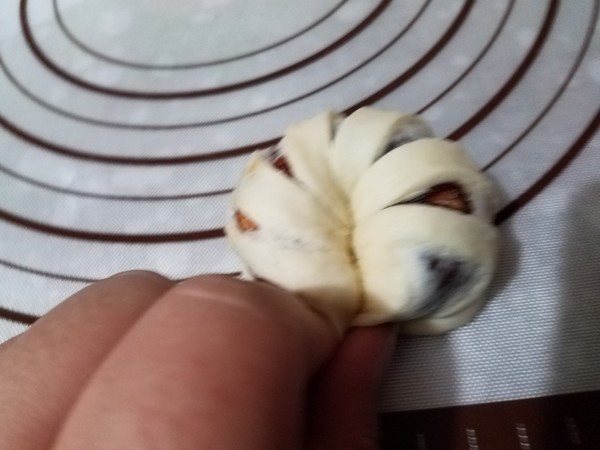

19. Put all the shaped buns into the mold.
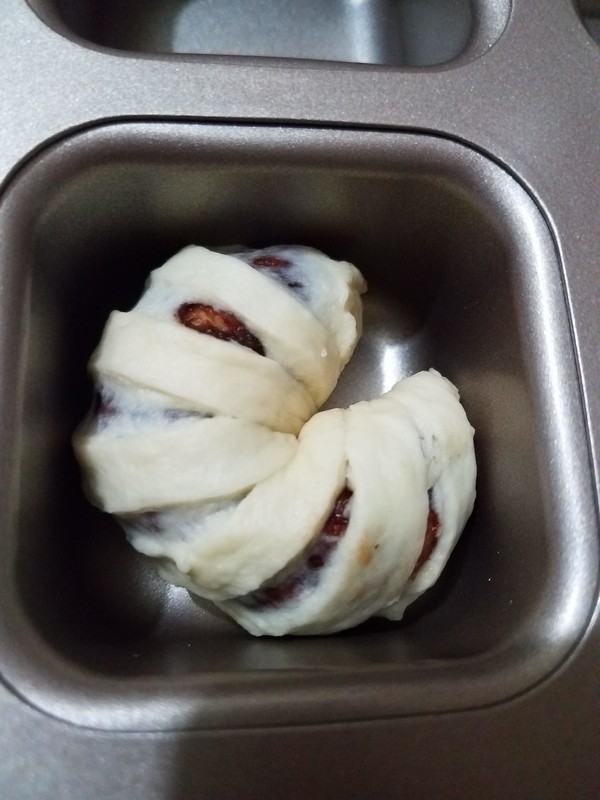

20. The fresh-keeping film is wrapped, and the second fermentation is carried out.
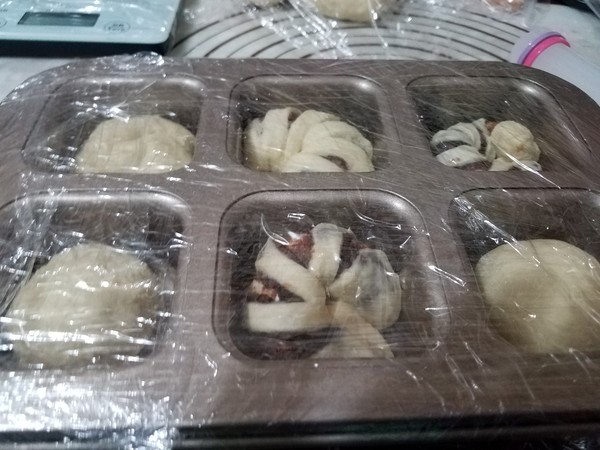

21. Stir the egg yolk liquid evenly with a wool brush. Preheat the oven 180 degrees. Brush a layer of egg liquid on the surface of the fermented bread, and then sprinkle with black sesame seeds or minced coconut for decoration.
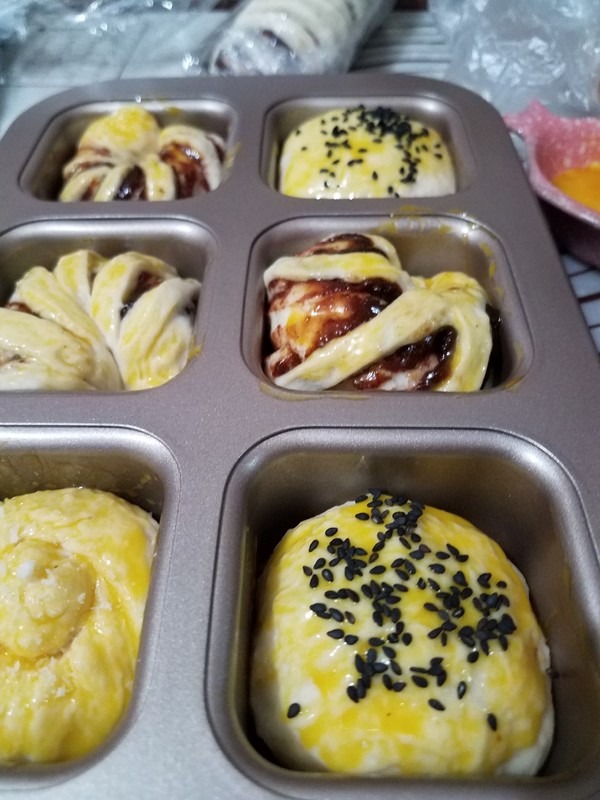

22. Cover the middle layer with a piece of tin foil after 15 minutes to prevent the surface from burning, and then continue for 5-10 minutes. (Personal oven temperature is low, the temperature should be changed according to your own oven)
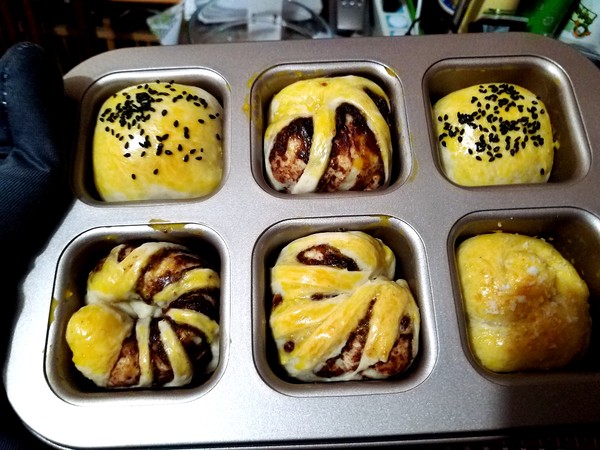

23. After the time is up, put it on the drying net and let it cool. Don't put it directly on the table. The bottom is easy to produce water vapor.
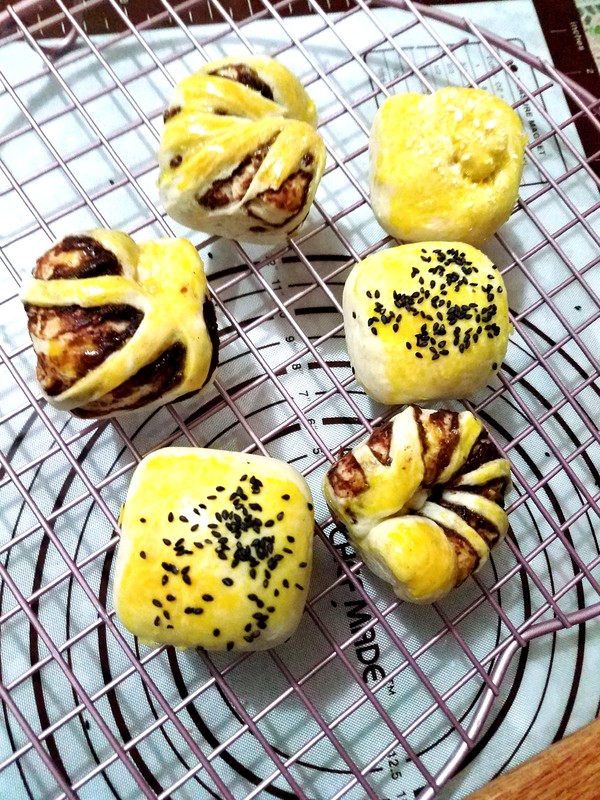

24. A cute and interesting bun is complete. After it has cooled down, the unfinished bread can be stored in the vacuum crisper, which can effectively prevent the bread from drying out and delay the aging of the bread.
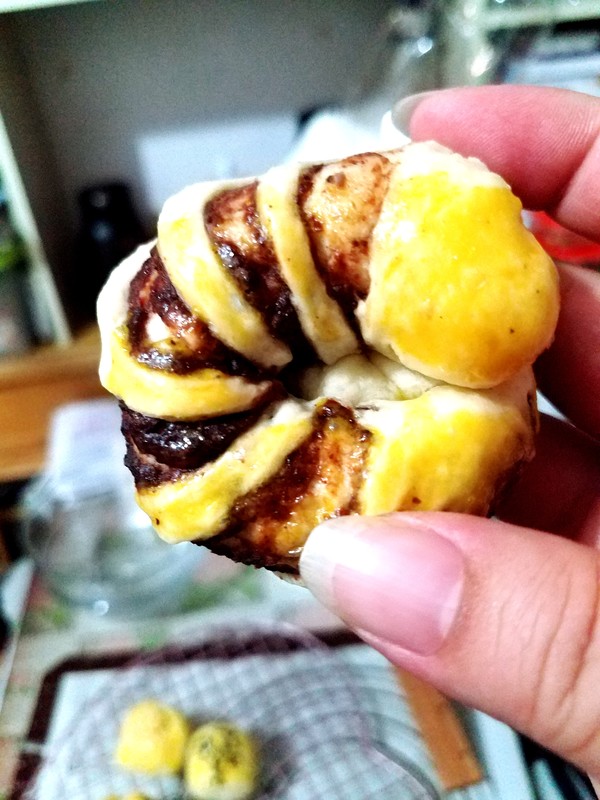

Tips:1. Don't leave the dough too long for the second time. Excessive fermentation will break the cut strips.
2. After cutting, the noodles must be properly tightened, not too tight, easy to break, and not too loose, easy to loosen during fermentation.
3. I put the coconut paste directly, so when you pack it, you must pay attention not to loosen it, and the inset is not too tight, just close it directly, and don't make too complicated shapes.







 Buy on JD
 Buy on Amazon