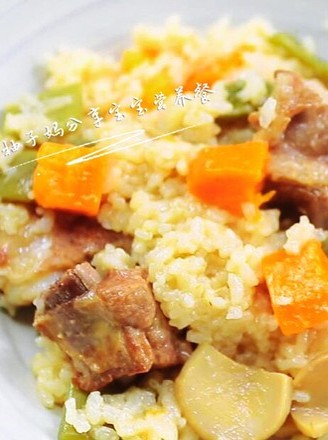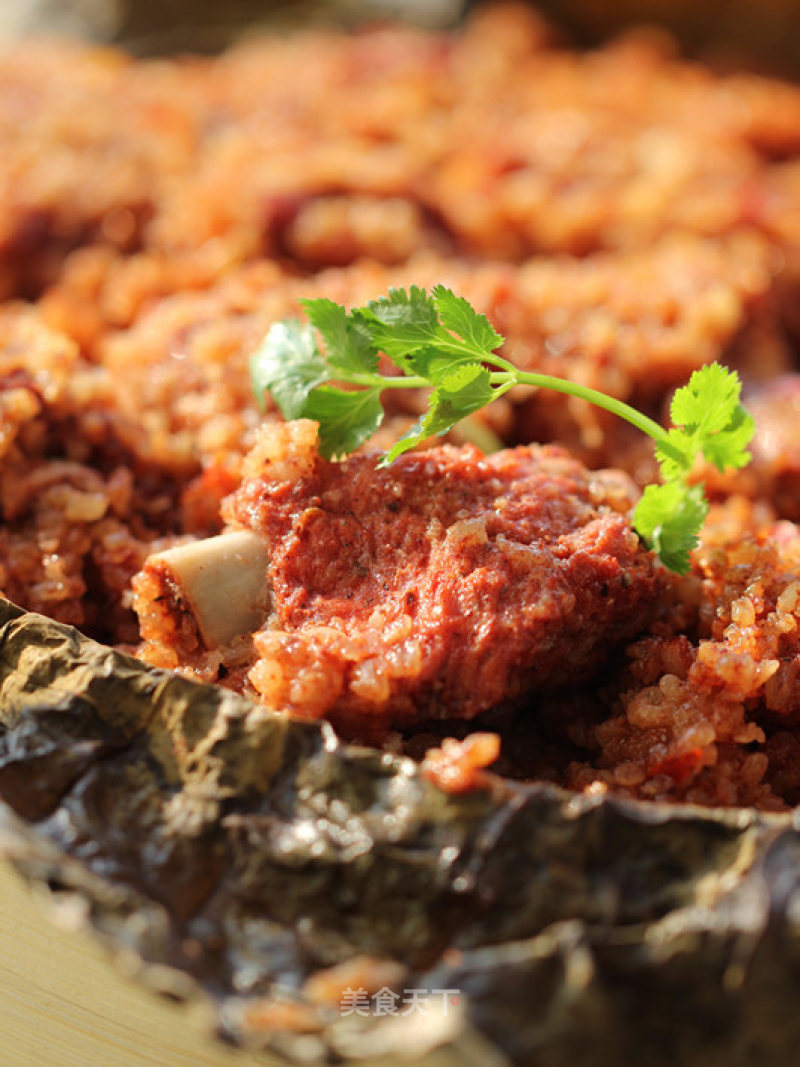

Steamed Taro with Pork Ribs
by Scarlett WH
Favorite
Difficulty
Easy
Time
2h
Serving
2
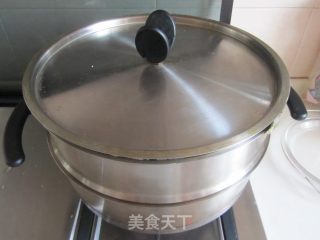
Whether it’s New Year's Day or the usual hospitality, steamed rice noodles are indispensable at banquets in Hubei people. Steamed vegetables are very simple to make. You only need to marinate the ingredients in advance. The taste is very controllable. You don't need to stare at the heat. Just pay attention to the time and steam directly on the fire. Another great advantage of steamed vegetables is that it has no oily smoke and can maintain the original flavor of the food. It is one of the healthy cooking methods suitable for all ages.
In Hubei, there are many varieties of steamed vegetables, such as meat dishes such as steamed meat, steamed fish, and steamed chicken. You can also wrap vegetable dishes such as shredded radish and carobs with rice noodles to steam. The steamed meat dishes are also covered with potato cubes, taro cubes, pumpkin cubes, etc., so that the combination of meat and vegetables will provide a more comprehensive nutrition and a more delicious taste.
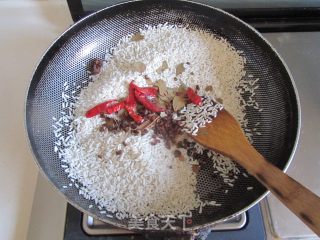
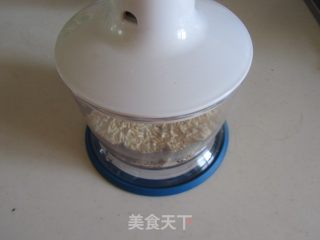
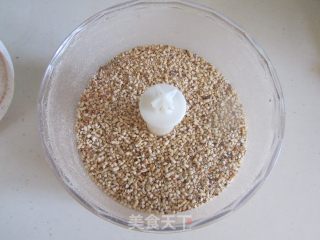
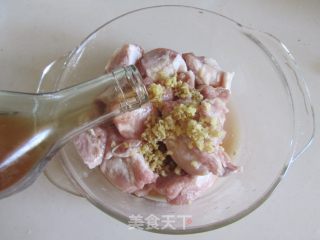
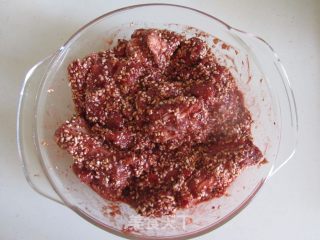
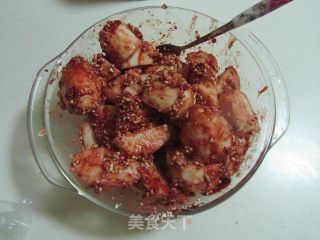
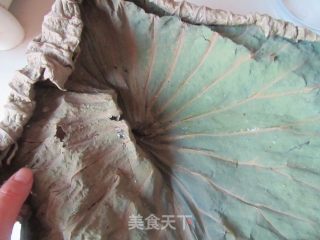
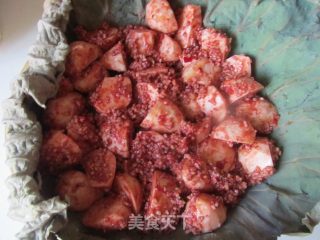
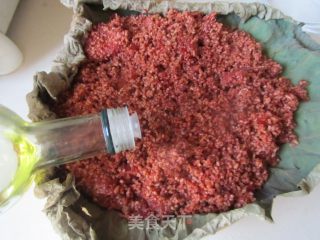
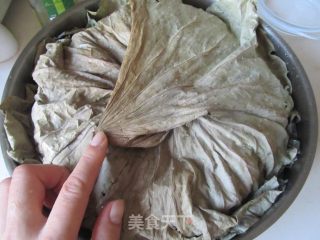
Today I’m going to show you "Steamed Taro with Pork Ribs". In order to make it taste better, I made my own DIY rice noodles. Although it is easy to buy rice noodles for steamed meat in general supermarkets, I use glutinous rice, star anise, etc. The homemade rice noodles ground after frying the aniseed are more fragrant, and the ribs marinated with it are much more effective. In order to make the taste richer, I put a layer of taro on the bottom. The taro absorbs the fresh aroma of the meat, and after steaming, it will be mellow and soft. Finally, of course, the lotus leaves that Hubei people love to use as the bottom of steamed vegetables are indispensable, so that the steamed dishes have the fragrance of lotus leaves.
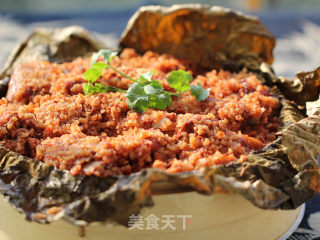
Although the marinating time is relatively time-consuming and the steaming takes a long time, when you uncover the lotus leaf and look at the soft glutinous rice grains, the meaty, soft root ribs are faintly inside. With the fragrance of lotus in your heart and spleen, you will find that all the waiting is worthwhile. . . "
 Buy on JD
 Buy on Amazon