
Stir-fried Radish-twice Cooked Pork
by Night dire
Favorite
Difficulty
Normal
Time
30m
Serving
2
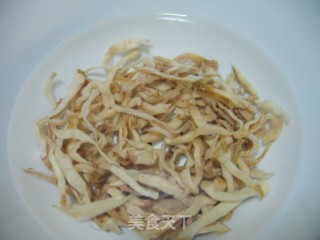
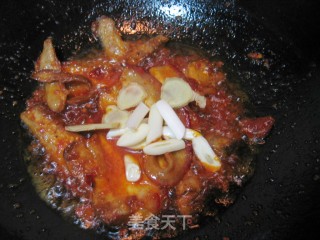
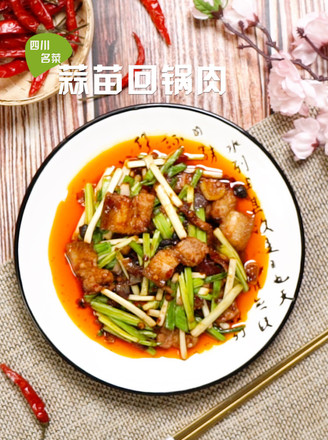
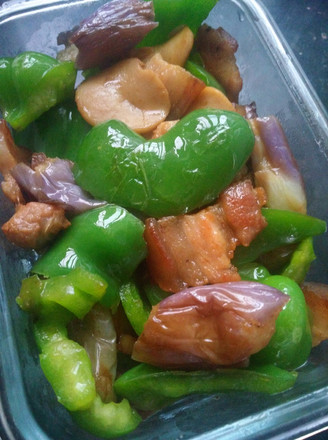
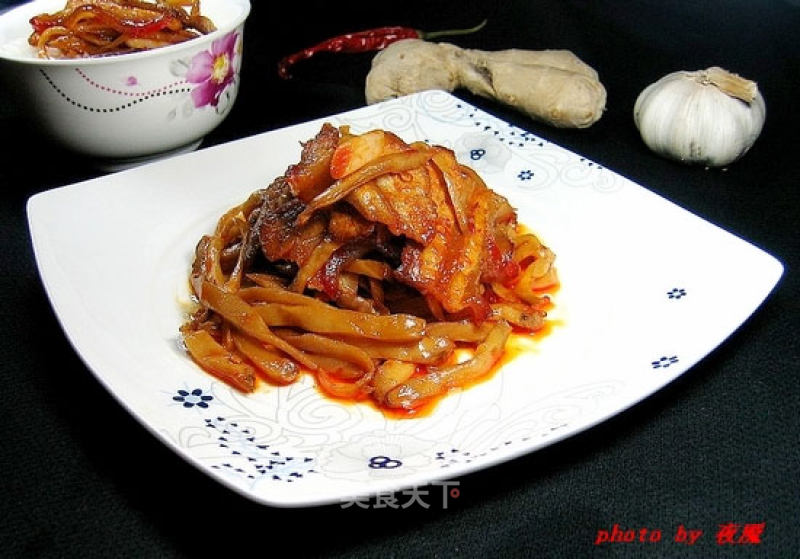
I posted a log a few days ago and mentioned that my friend had sent dried radish, and also mentioned that it is delicious to use this kind of dried radish to stir-fry the twice-cooked pork. Today I fry the twice-cooked pork with dried radish.
I don’t have a fixed seasoning for my fried twice-cooked pork. Last time I put the delicious flavor and chicken essence, but today it is useless.
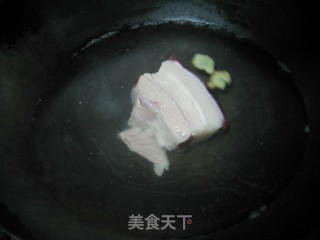
In fact, the recipes and garnishes of twice-cooked pork are quite diverse, but the most basic requirements are the same: the meat must be cooked with the skin, and boiled in water until it is 70 to 80% cooked, and Pixian watercress is used. The rest depends on personal preference, I usually add some sugar to make it fresh.
There are many side dishes for twice-cooked pork, the most classic ones are garlic sprouts, onions and green peppers. You can also use garlic moss, dried tofu, carrots, and cabbage.
For the twice-cooked pork made this time, the side dish is dried radish, and the seasoning is very small. "
 Buy on JD
 Buy on Amazon