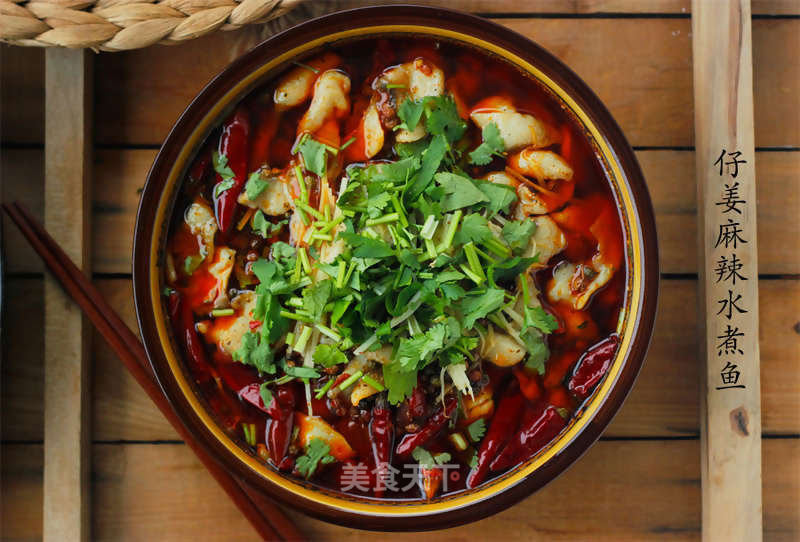
【zijiang Spicy Boiled Fish】
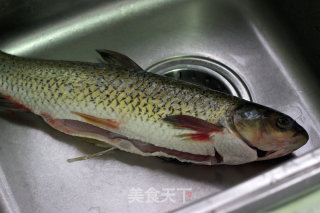
1. One grass carp, necessary to wash (black inner membrane to remove)
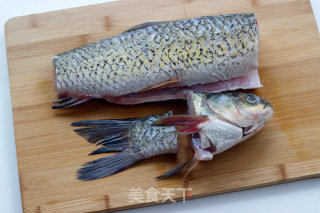
2. One knife for the head and the tail, remove the head and the tail
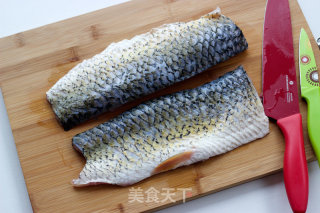
3. Fish body, shaved from the big bone (here with the help of the chef's knife)
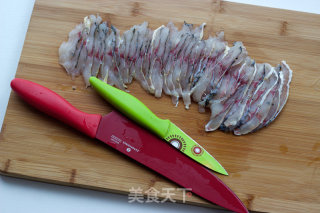
4. Oblique 45°, sliced fish body 0.2cm thickness
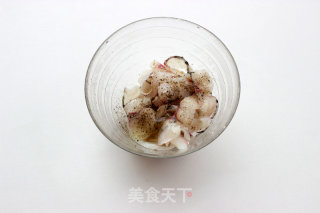
5. The fish fillets are quickly rinsed under running water until they are translucent. Drain the water and put them in a bowl, add pepper and salt to marinate
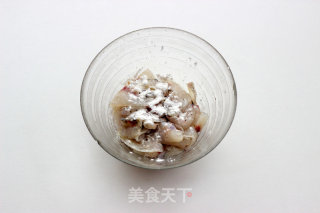
6. 2/3 egg whites, a little dry starch, mix well and set aside
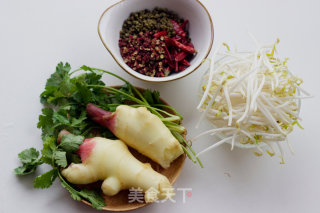
7. Prepare side dishes and seasonings
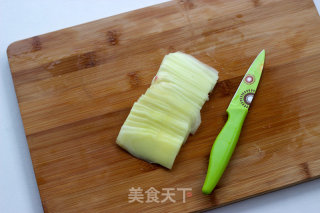
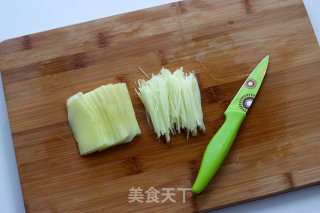
8. Ginger, peeled and cut into thin slices of 0.1cm thickness
9. Multi-function knife cuts 0.1cm thick silk
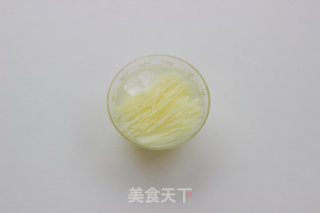
10. Sliced ginger soaked in ice water
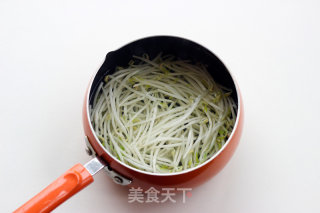
11. Boil the bean sprouts in boiling water for about 10-20 seconds
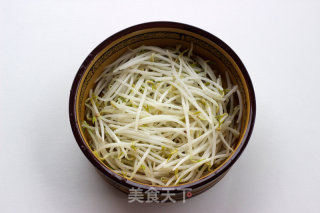
12. Remove and drain the water and place it on the bottom of a large bowl for later use
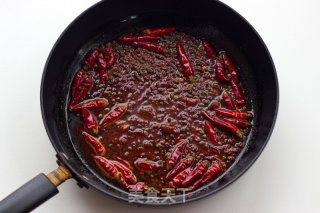
13. Stir-fry dry spices (Chinese pepper, sesame pepper, millet pepper) on a low fire, add the flavor and stir-fry in Pixian bean paste until the red oil comes out, pour the cooking wine into the pot, and boil the right amount of water
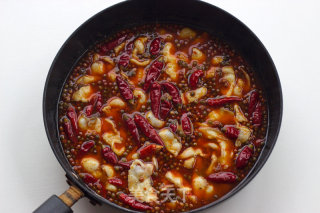
14. Quickly throw the marinated fish fillets into the boiling soup one by one, until the last one is in the pot, turn off the heat
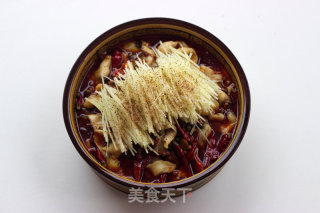
15. Pour into a bowl where bean sprouts are spread, place drained ginger shreds, sprinkle a little pepper powder
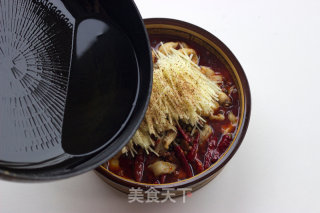
16. In another pot, heat the oil until it smokes, pour it on the ginger, sprinkle coriander on it, and serve
Tips: 1. Aberdeen ginger, also known as fresh ginger, has a milder spicy taste than old ginger, and is slightly sweeter and can be eaten directly
2. The thickness of the fish fillet can also be cut according to your own habits, as far as possible within 0.5cm
3. Place ginger shreds in ice water to keep the taste of ginger shreds crisp and crisp
4. The process of adding the fish fillets to the soup must be fast, the fish meat is fresh and tender in just a few seconds, not all at once
5. The second purpose of the hot oil: ginger shreds to taste; to seal the temperature of the fish and soup, play a "warm-keeping" effect

 Buy on JD
 Buy on Amazon