#aca烤明星大赛# Don't Want The Delicious Red Bean Paste Triangle Bun
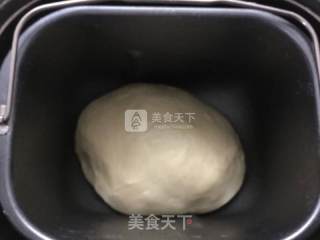
1. Stir all the ingredients (except butter and yeast) with chopsticks. Don’t need to form a dough. Let stand for about an hour, then add yeast to start the bread maker and kneading. The two kneading procedures total 40 minutes. At this time, add the softened solid butter and mix well. After the two kneading procedures are over, the dough reaches the fully expanded stage, and the transparent film can be pulled out.
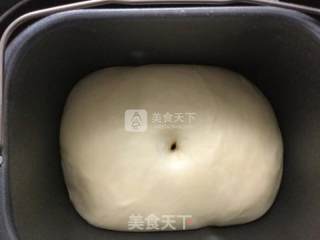
2. Start the fermentation function of the bread machine, and the dough will start to ferment for about 50 minutes, and the fermentation will be twice as large. Insert the fingers in the middle of the dough, and the holes will not shrink or collapse. The fermentation is completed.
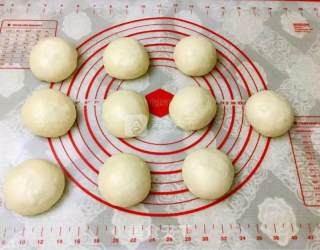
3. After the fermented dough is pressed and exhausted by hand, cover the fresh-keeping film to relax for ten minutes and then divide into 10 small doughs, round by hand, and cover the fresh-keeping film to relax for ten minutes.
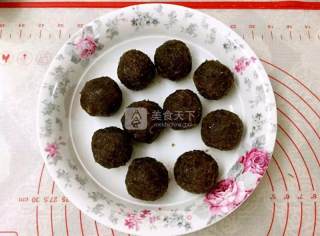
4. At this time, you can divide the red bean paste into 10 small portions and round them.
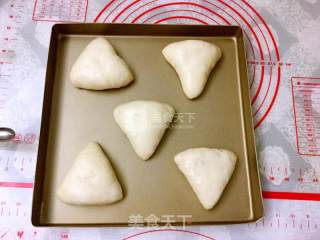
5. Tap the loose dough with your hands to remove bubbles, turn it over, wrap in bean paste, and knead out a triangle shape according to the sugar triangle wrapping method. Turn it over and arrange into the baking tray.
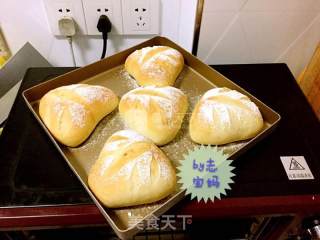
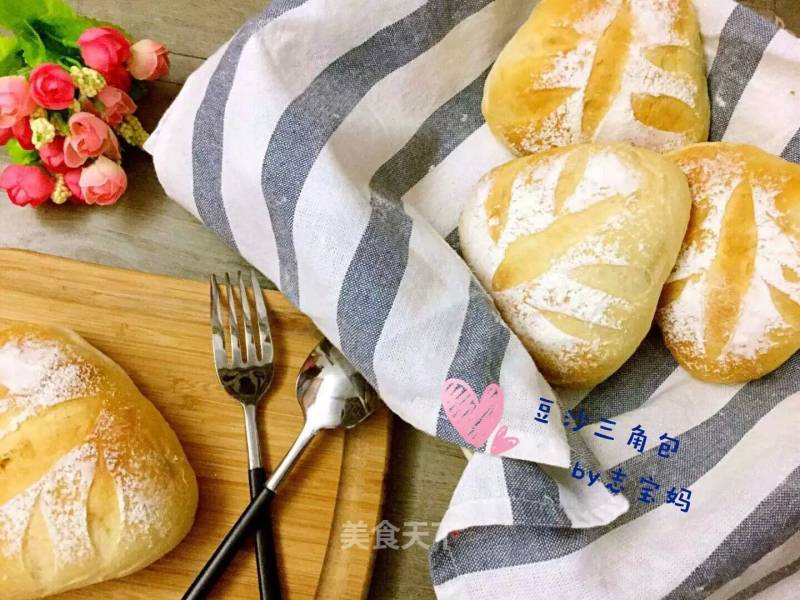
6. Put a bowl of hot water in the oven, because the weather is hot, you don’t need to turn on the oven fermentation function, close the oven door for secondary fermentation. After half an hour, the raw bread embryo fermented to twice its size. Take out the dough, sift the low-gluten flour, cut out the lines with a blade, and adjust the oven to 200 degrees to preheat.
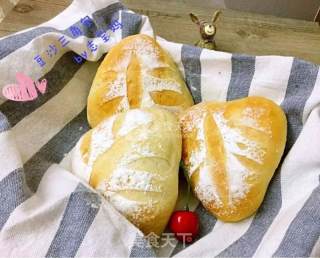
7. Put it in the preheated oven and bake it at 175 degrees for about 20 minutes. After letting cool, put it in a bag and store it at room temperature.
8. Is the finished product attractive? 😏
Tips: The baking temperature is adjusted according to the situation of the oven, my temperature is just a reference. Different brands of flour have different water absorption rates. My water volume is only a reference, and I adjust it according to the actual situation. It is recommended to use a utility knife or a razor blade for cutting lines. If the dough is over-fermented, the bread embryo will collapse after the grain is cut, so it is necessary to master the fermentation state. I suggest you look at the Sina blog of Love and Freedom, which talks about kneading, shaping, and fermentation in detail.

 Buy on JD
 Buy on Amazon