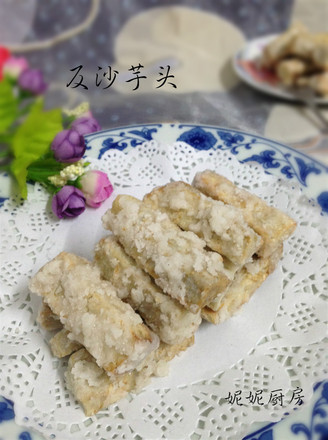
Anti-sand Taro
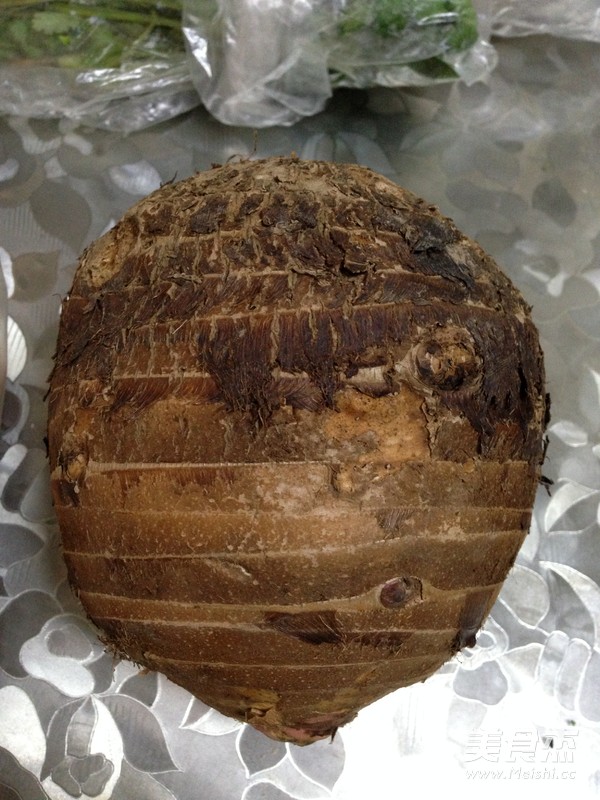
1. Wash and peel taro
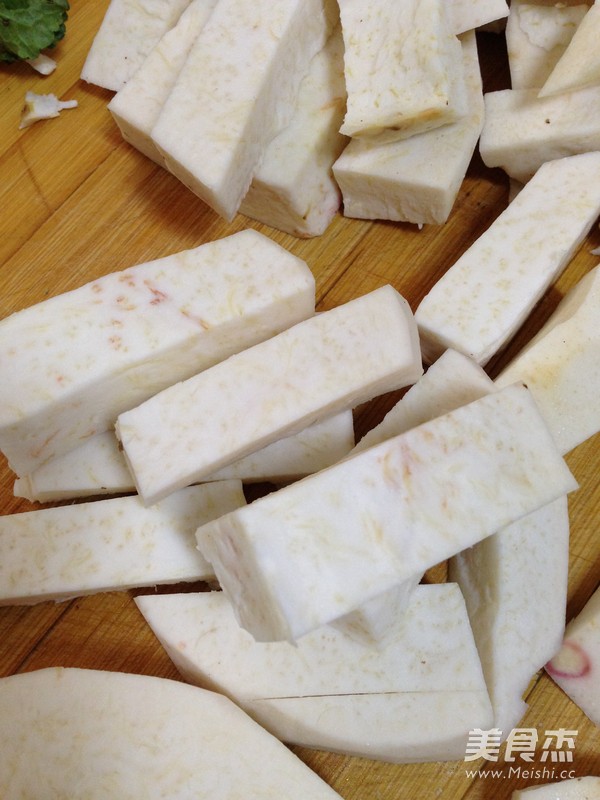
2. First cut into about 1.5 cm thick slices, then cut into finger-wide strips
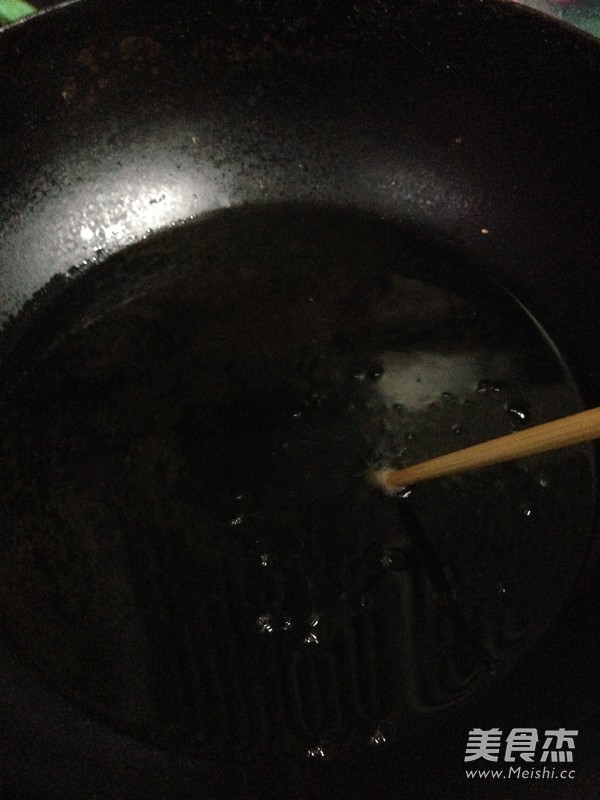
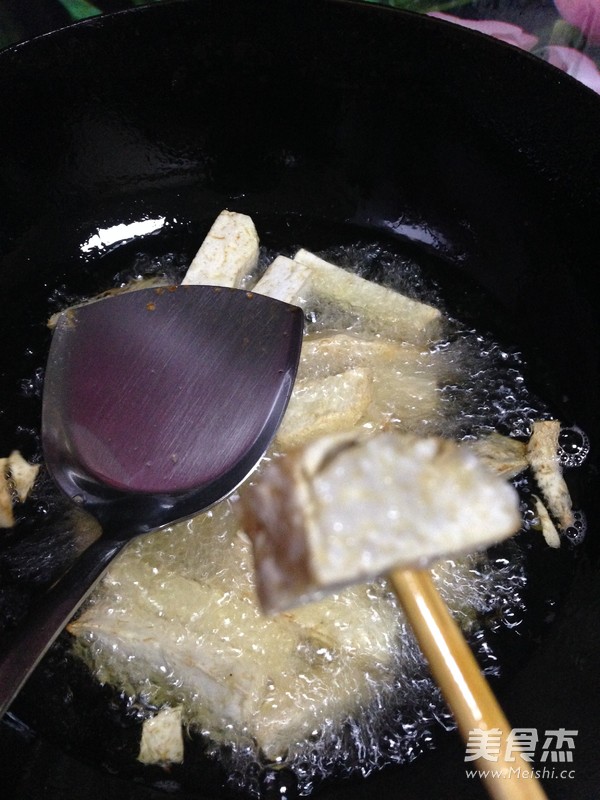
3. Widen the oil in the pot and heat it over medium heat, insert the bamboo chopsticks and wait for fine bubbles around it
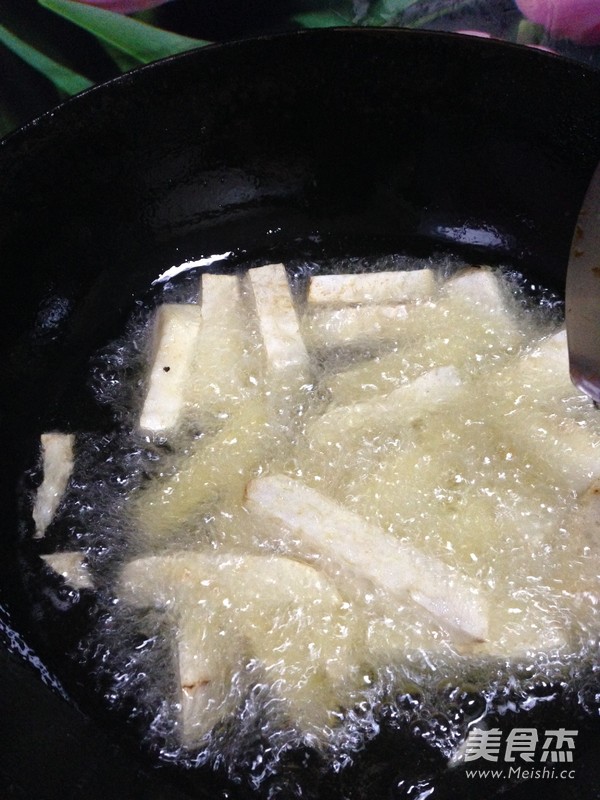
4. Pour the taro noodles in batches and fry on medium heat for 5-8 minutes
5. Constantly stir the taro noodles in the pot to heat evenly until the taro noodles can be easily pierced through with chopsticks, pick up and drain the oil
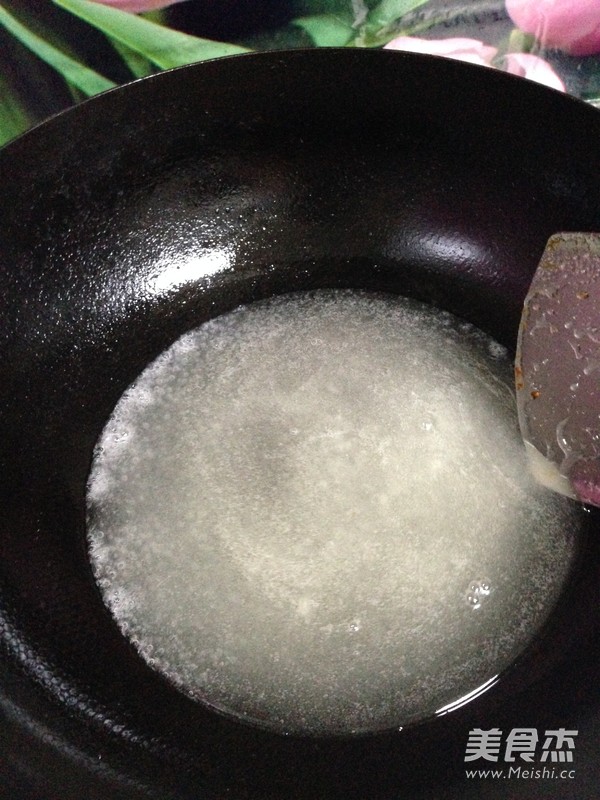
6. Pour out the oil in the pot, leaving a little bit of oil, add 200 grams of sugar and 80 grams of water to a boil
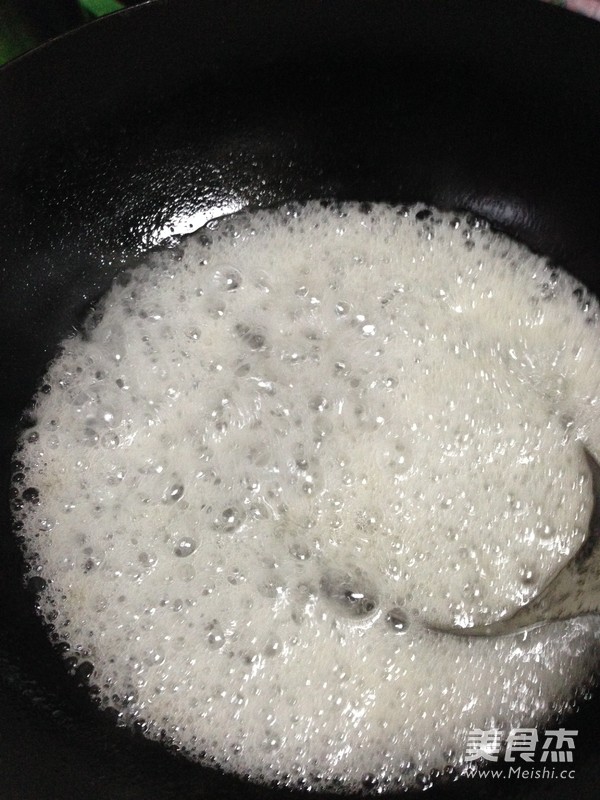
7. Change to low heat and boil the syrup slowly and continue to stir fry
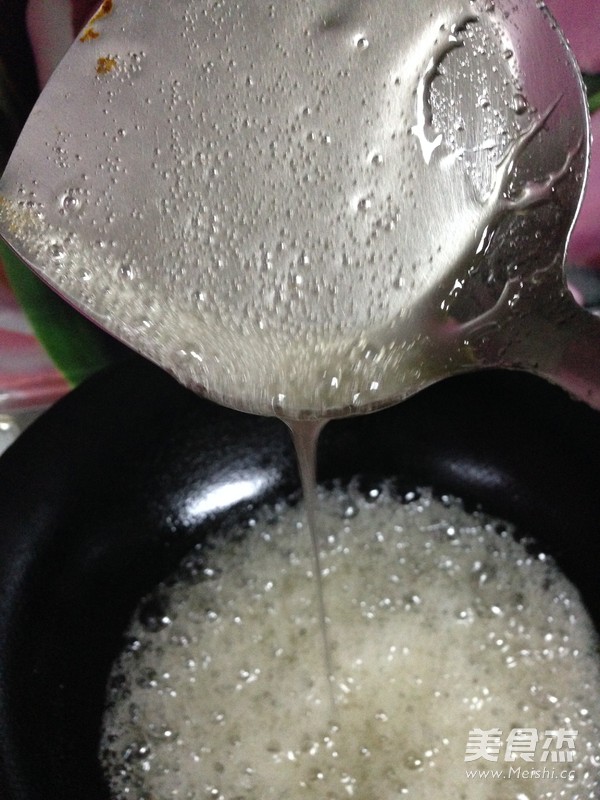
8. Until the foam of the syrup changes from big to small, it is thick and the color changes slightly
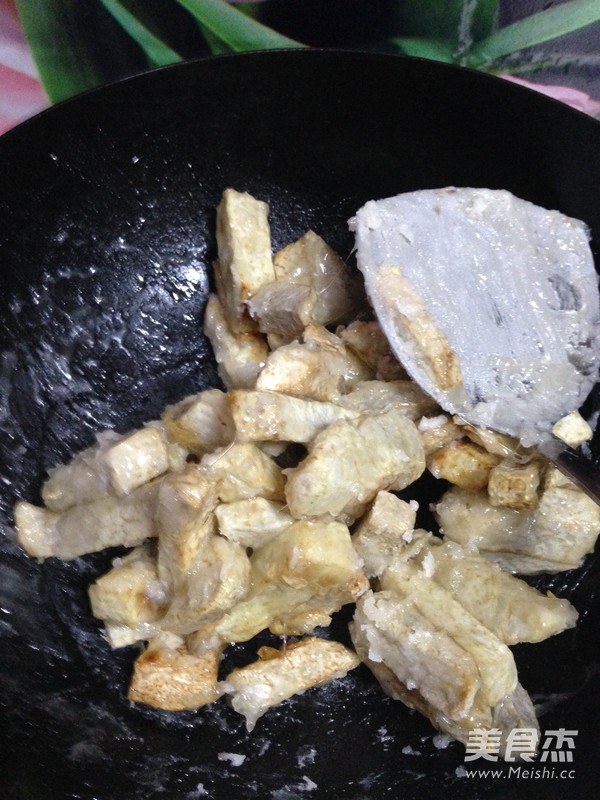
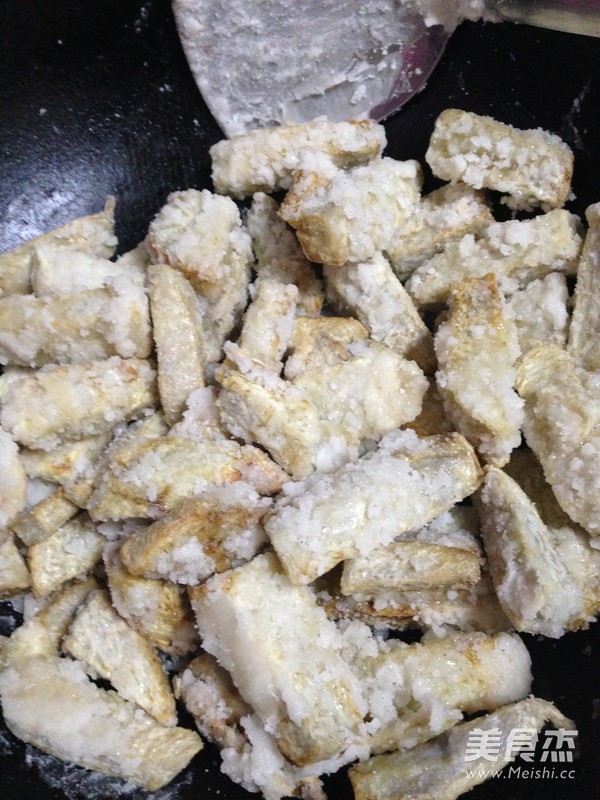
9. Turn off the heat, pour the fried taro into the pan and quickly stir fry several times
10. Coat all the taro with syrup and you're done
Tips: 1. The taro noodles should be deep-fried in several batches. Firstly, they can be deep-fried and deep-fried. Secondly, it can save time.
2. After the taro is cut into strips, it should not be washed with water, otherwise the oil will splash around and burn people when it is fried in a frying pan.
3. When returning the taro to the sand, the action should be rapid and continuous stir-frying, so that the syrup outside the taro sticks will quickly condense into a hoarfrost.
4: The heat should not be too high, and the syrup should be boiled on a low heat, otherwise the syrup will be burnt and taste bitter.
5: Eat well when it is done, and it will turn into syrup after a long time.

 Buy on JD
 Buy on Amazon