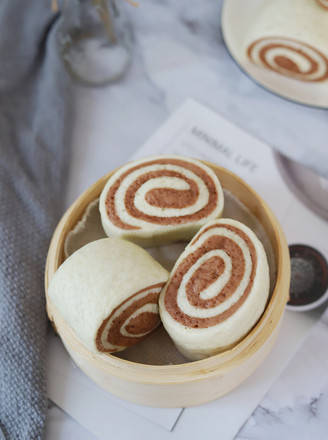

Cocoa Two-color Knife Cuts Steamed Buns
by Wandering stars
Favorite
Difficulty
Easy
Time
30m
Serving
3
Steaming a pot of steamed buns for breakfast is fluffy and soft, simple and easy, and children love it.
1. Weigh and prepare all the ingredients.
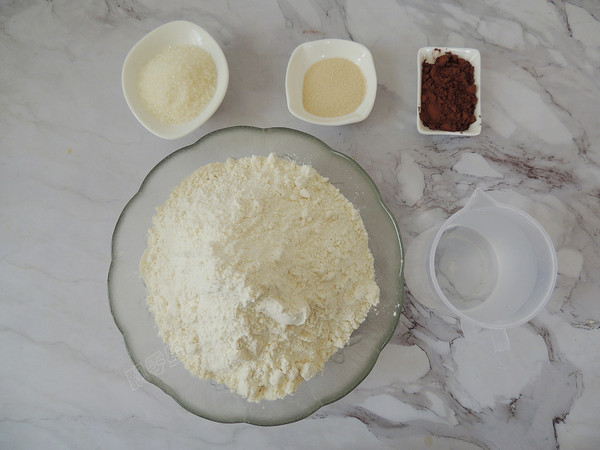

2. Pour all the flour, yeast powder, and granulated sugar into the bowl.
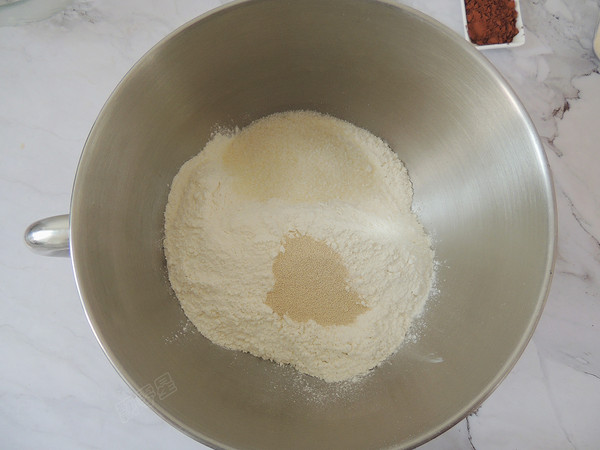

3. Use chopsticks to mix the three materials evenly to avoid direct contact between sugar and yeast powder.
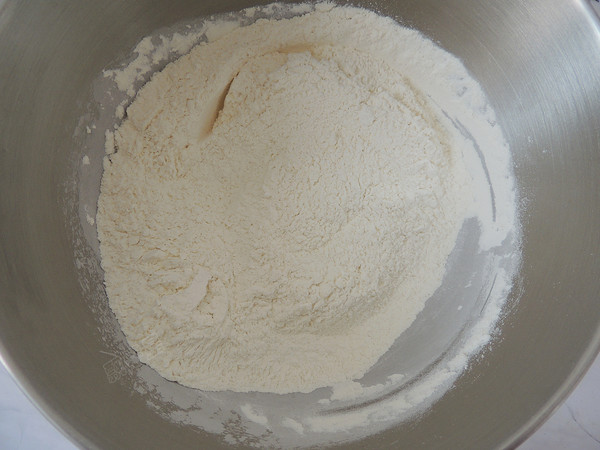

4. Add water and stir with chopsticks while adding water. Use cold water in summer, but warm water in winter. The amount of water needs to be adjusted according to the hygroscopicity of the flour.
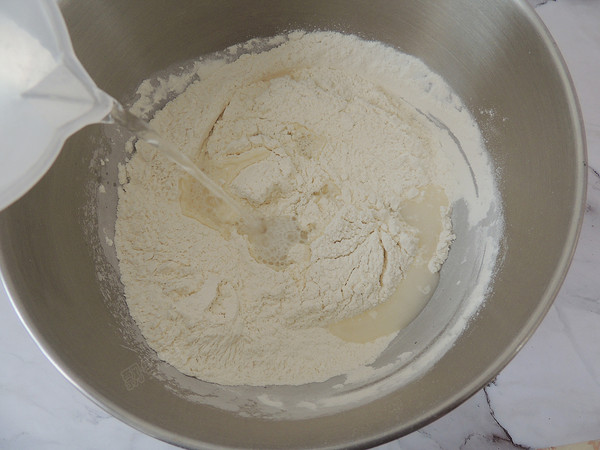

5. Stir it until the dough is like flocculent as shown in the picture. One is to observe the dry humidity of the dough, and the other is to prevent the flour from splashing out when kneading the dough.
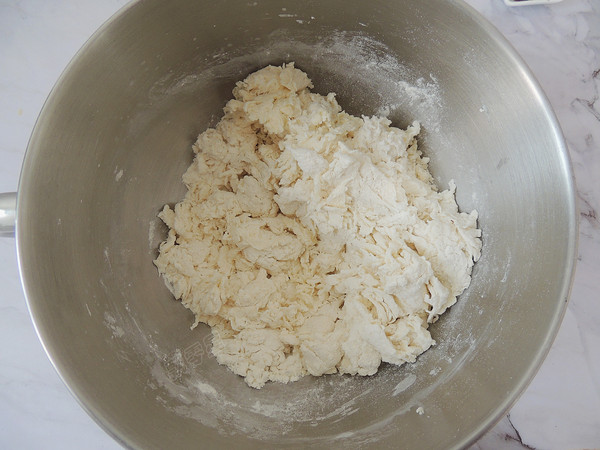

6. Knead the flocculent dough into a smooth and soft dough, cover it with plastic wrap or a damp cloth, and carry out the first fermentation.
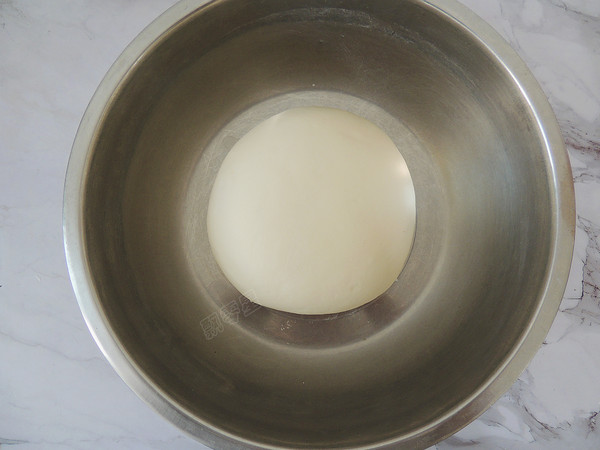

7. Prove the dough to double its size
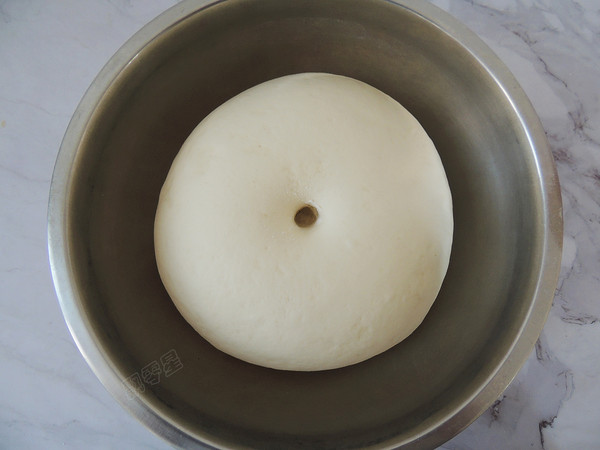

8. The fermented dough is taken out, kneaded and exhausted again, and then divided into two equal portions of dough.
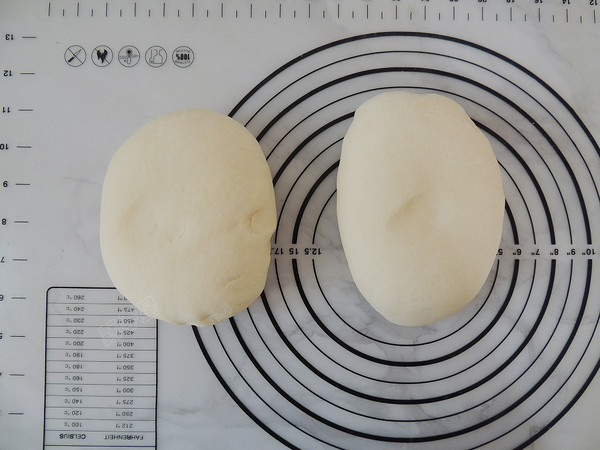

9. Take one part of the dough and add 10g of cocoa powder.
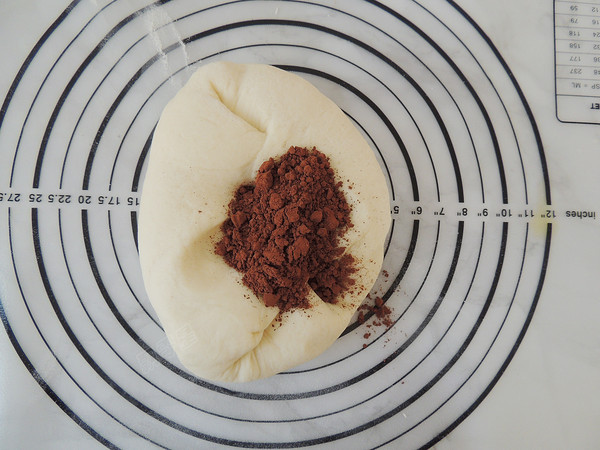

10. Knead the dough again to form a brown cocoa dough.
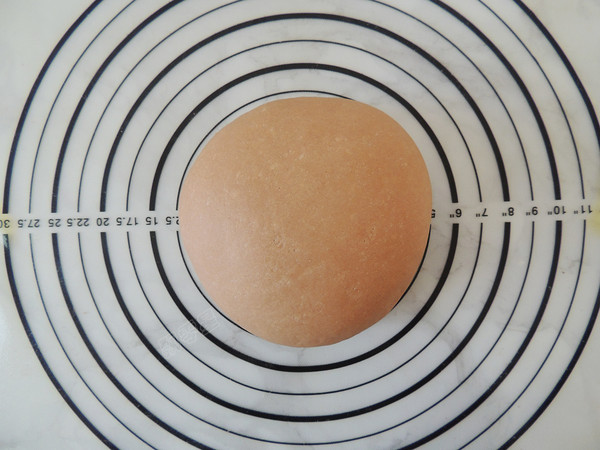

11. Both doughs need to be fully kneaded until there are no pores. You can add a little flour to knead, similar to the way of noodles. The steamed buns made in this way will have a smooth skin and a dense inside.
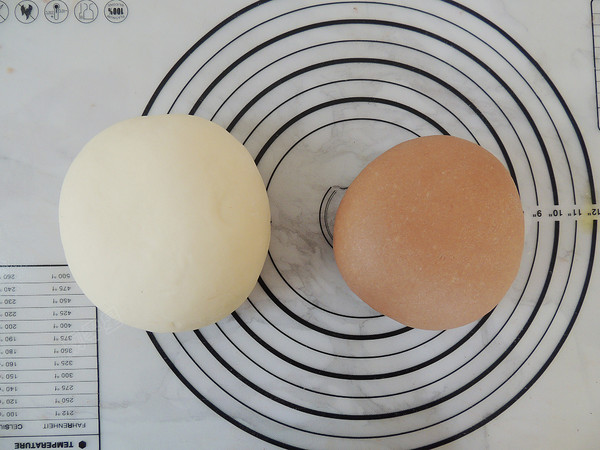

12. Roll out the white dough with a rolling pin to form a rectangular sheet of uniform thickness.
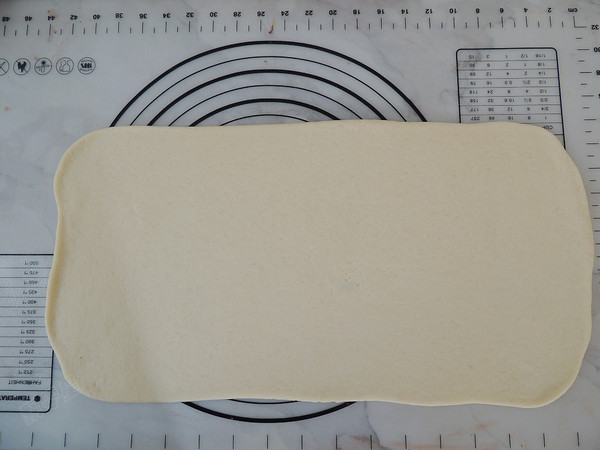

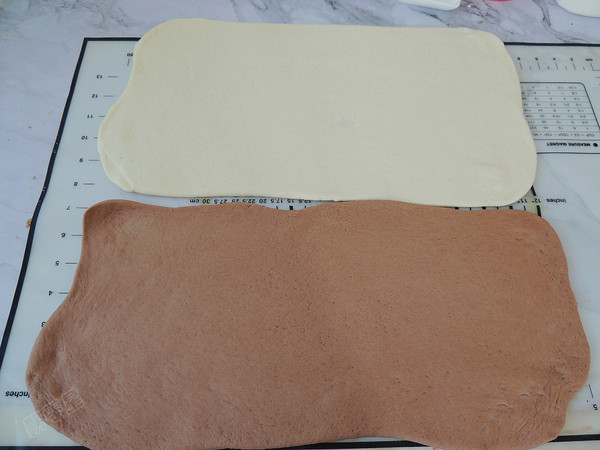
13. The brown cocoa dough is also rolled into a rectangular shape, the thickness and size are about the same as the white dough.

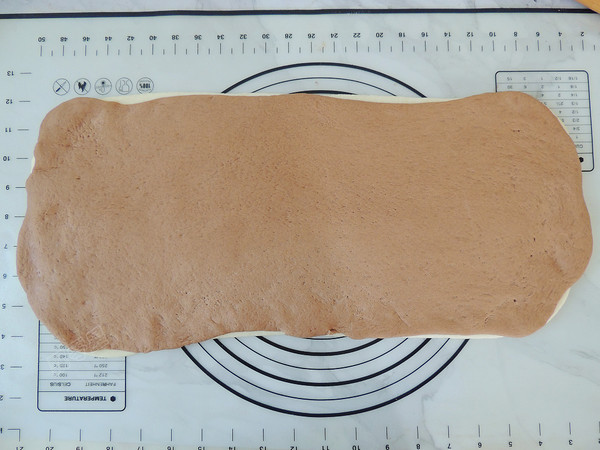
14. Brush a layer of water on the surface of the white dough, and then spread the cocoa dough on the white dough. Do not brush too much water, just a thin layer. The purpose is to make the two pieces of dough sticky and will not separate when steaming.

15. Along the long side, roll up the dough sheet, roll it tighter, and thin the closed part and place it down.
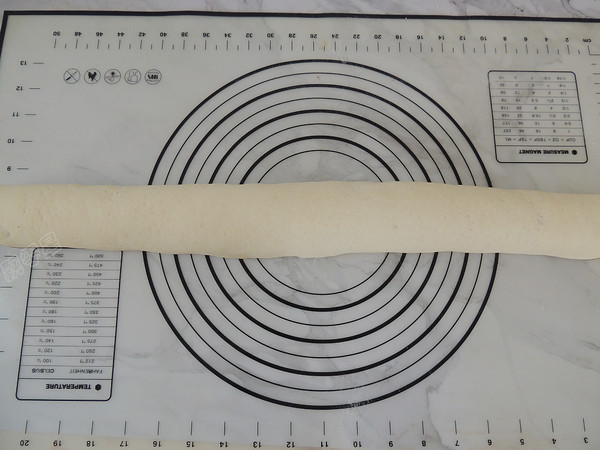

16. Use a sharper knife to cut the rolled dough into equal-sized pieces. When cutting, do not cut back and forth. Cut it with a sharp knife to the end, so that it will not be deformed.
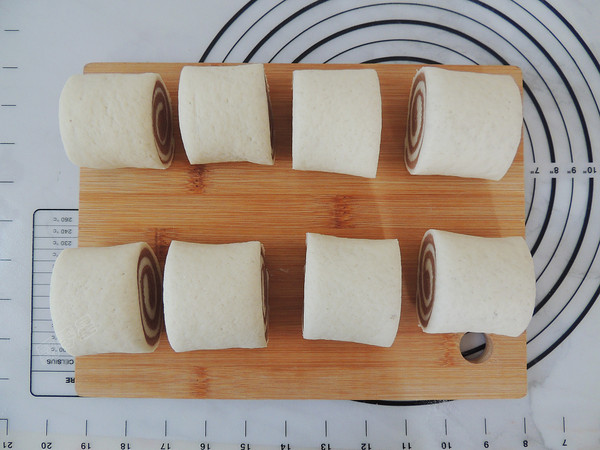

17. Put the prepared steamed buns into the steaming grid for proofing for about half an hour. Leave space for fermentation between each steamed bun. The steaming grid should be covered with a steamer cloth or a silicone pad, or it can be brushed to prevent sticking.
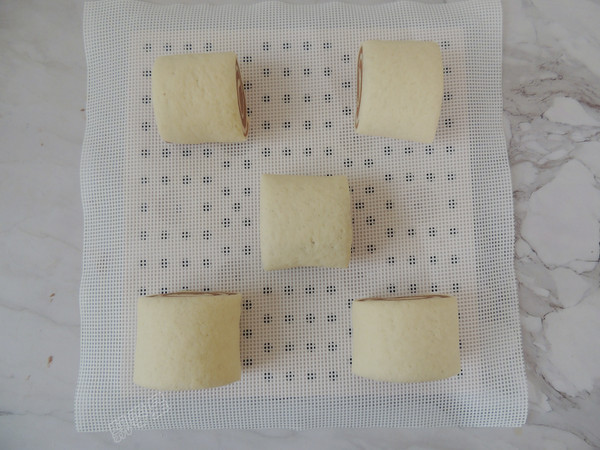

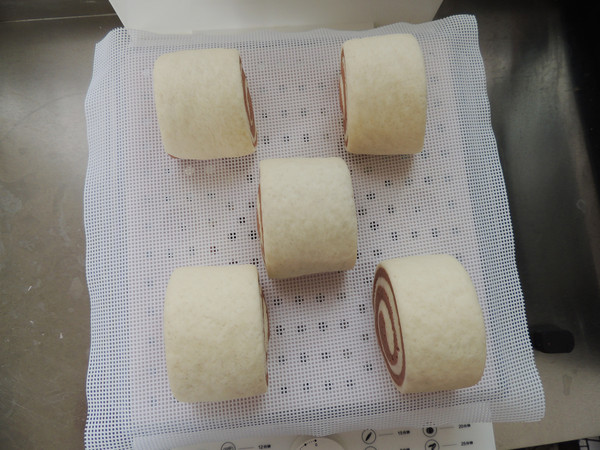
18. After the steamed buns are fermented to become significantly larger, turn on the power and steam for 20 minutes.

Tips:1. The steaming time should be adjusted appropriately according to the size of the steamed buns.
2. The cooked buns should be refrigerated within three days. If you can't finish them for more than three days, it is recommended to seal and freeze them. You don't need to thaw them when you eat them, just steam them directly.




 Buy on JD
 Buy on Amazon