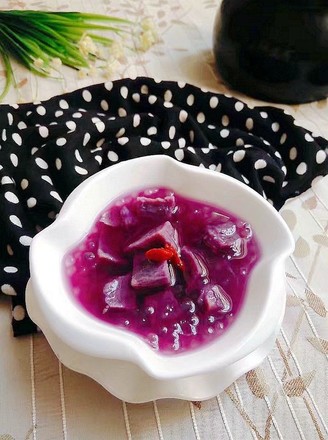
Coconut Sago
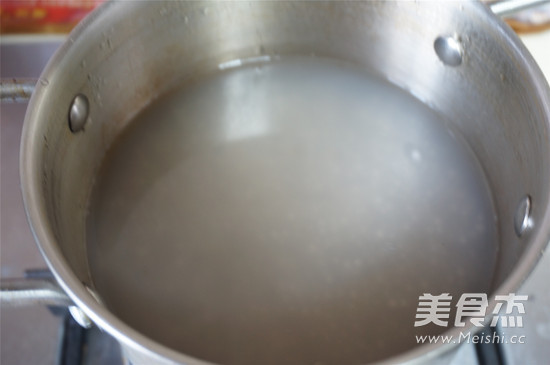
1. Boil a pot of water. Put the sago in the boiling water. Put more water. The sago absorbs water when it is cooked. Stir it with a spoon while cooking, otherwise the sago will stick to the bottom of the pot.
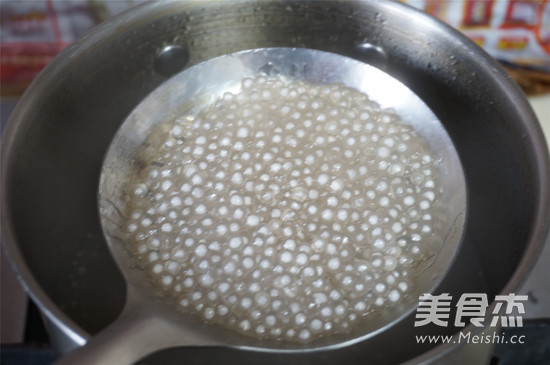
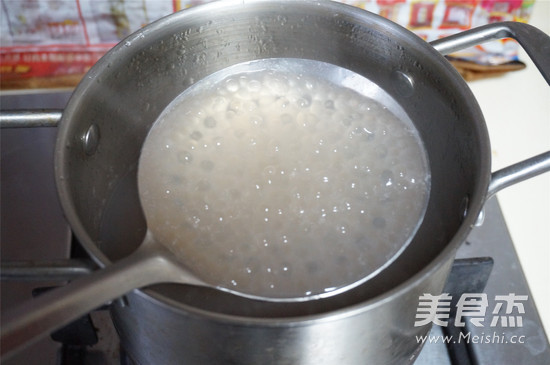
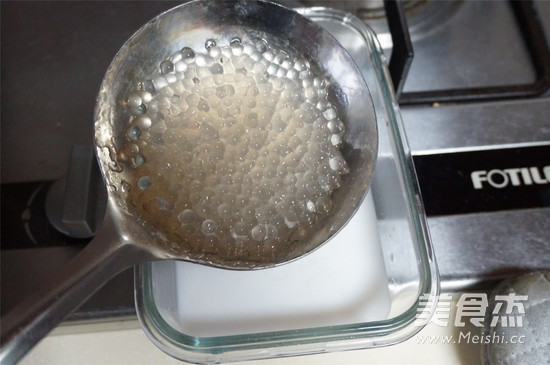
Boil the water for about 5 minutes when the water is boiling, turn off the heat, cover and simmer until the sago is translucent, with a white spot in the middle, remove it with a colander
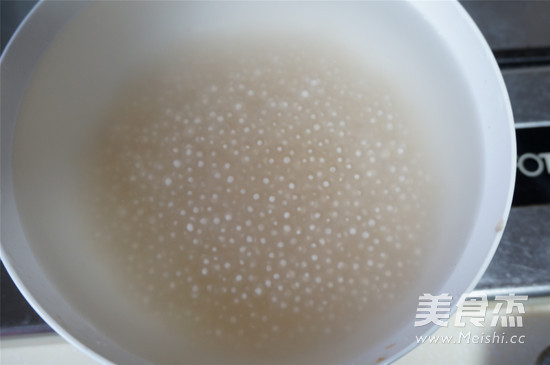
2. Put it in a bowl with cold boiled water, and pour out the remaining thick liquid. Too cold boiled water can make the sago more Q
3. Boil a pot of boiling water again, put the sago that has just been cooked to a translucent level and put it in the boiling water to boil
4. Cook until it's all transparent
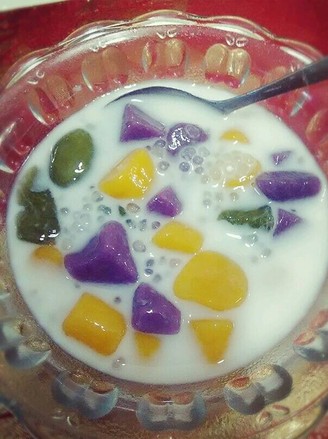
5. Pour the coconut milk into the bowl, add 2 tablespoons of sugar and mix well, strain the small sago with a colander and pour into it
6. Put the sago milk in the refrigerator to keep it cooler. The cooked sago will continue to absorb the moisture of the coconut milk.
Tips: 1. Don't cook sago too hastily. It must be cooked at medium and low heat, while stirring, to prevent sticking;
2. In order to avoid adhesion of the cooked sago, even if it is soaked in cold water, it should be taken out and drained before use;
3. Because of the small sago being put in the coconut milk, the coconut milk will be diluted, so put sugar in the coconut milk;
4. Small sago is especially absorbent. When cooking, put a lot of water to avoid being absorbed. After cooking, remove it and put it in the coconut milk. The small sago will continue to absorb water and the coconut milk will be absorbed. It will also taste sweet;
5. Freshly cooked small sago should be eaten immediately after refrigeration. Overnight it will become unresponsive due to excessive water absorption. It is best to cook as much as you want.


 Buy on JD
 Buy on Amazon