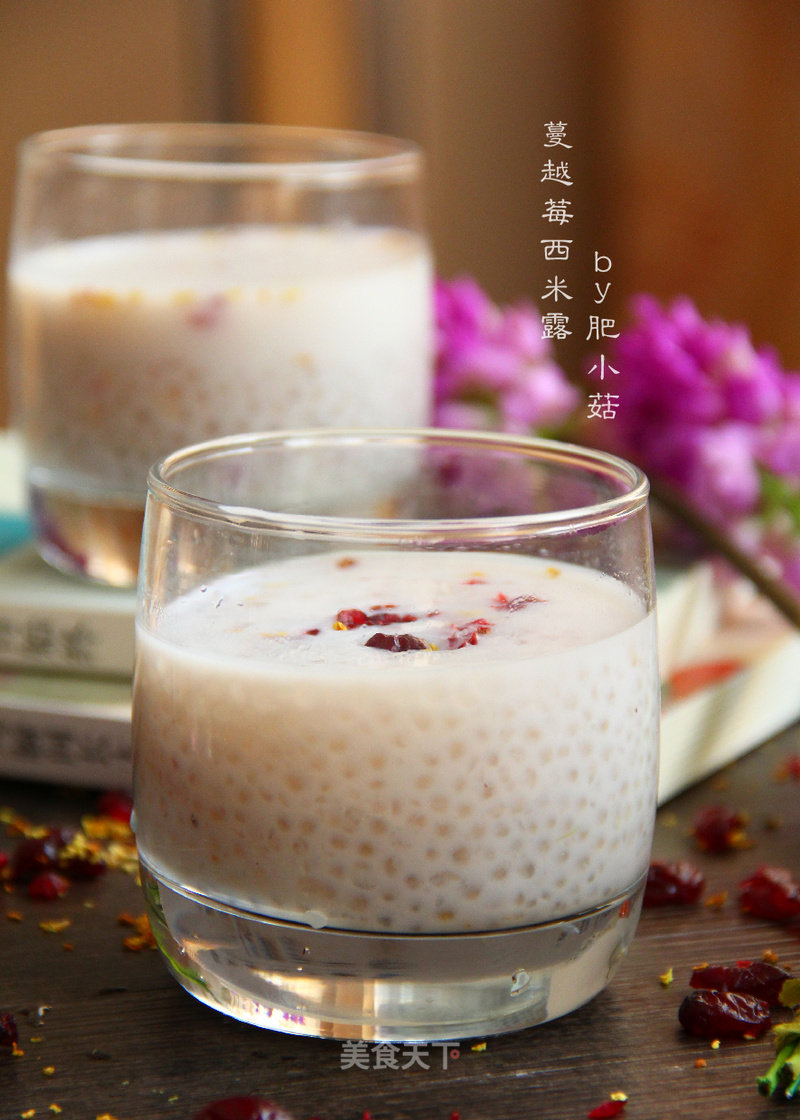
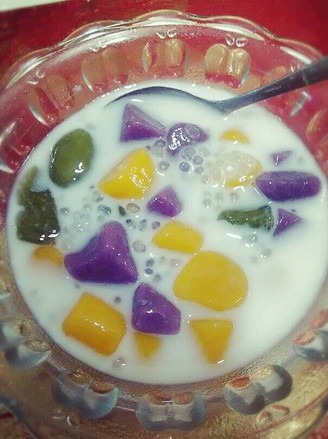
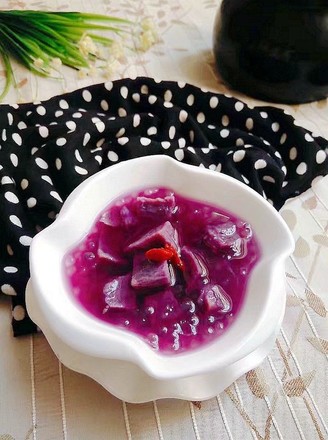
Cranberry Sago Sauce
1.
Prepare a pot of water and bring it to a boil
2.
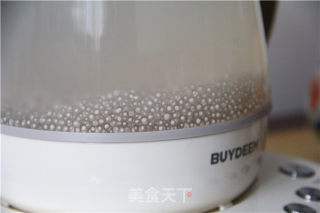
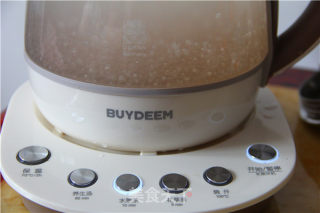
After boiling, add sago dew, choose herbal tea "5min", cook for 5 minutes, stirring with chopsticks from time to time
3.
After 5 minutes of cooking, you can turn off the heat and simmer for about 15-20 minutes.
4.
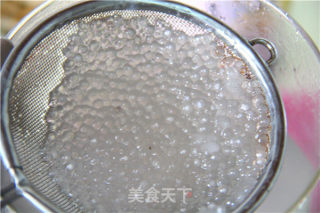
After simmering, you will see that the transparent part of the sago begins to increase, leaving a small white spot in the center. Remove the sago with a colander, pour out the thick liquid in the pot, rinse the sago with cold boiled water, and rinse After a few times, refill the pot with water and bring to a boil
5.
After filling the pot with water, bring it to a boil, add the translucent sago after boiling, start the fruit tea "10min", heat it for 10 minutes, the same as the previous round, use chopsticks to stir from time to time to make the water flow into joy
6.
After 10 minutes, the sago was almost transparent. If it is already transparent at this time, it will be completed
7.
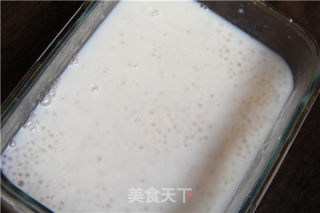
Use a colander to remove the sago, add the prepared coconut milk, add a spoonful of sweet osmanthus (or honey or not) and mix well
8.
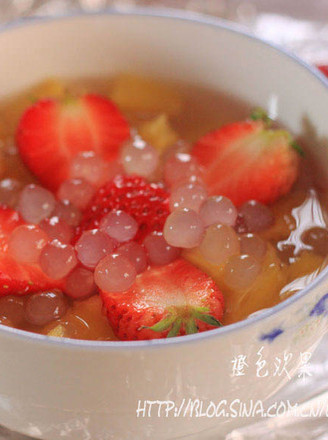
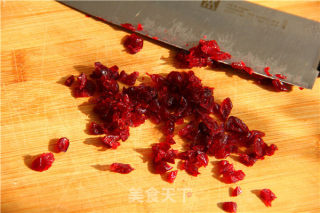
Cut dried cranberries into small pieces and put them in

Tips:
The first step is to boil, prepare a pot of water, bring the water to a boil, add the sago dew after it is boiled, be sure to wait for the water to start to roll up, and then add the sago dew. After pouring the sago dew, first Heat it for 5 minutes, stirring it with chopsticks from time to time to make the water flow into joy. After 5 minutes, the sago will become one kind, the outer ring is transparent, and the inside is still white. Stop heating. The second step is simmering. After 5 minutes of cooking, you can turn off the heat and simmer for about 15-20 minutes. After simmering, you will see that the transparent part of the sago begins to increase, leaving a small white in the center. Point, the second step is complete.
In the third step, use cold water to remove the sago with a colander, pour out the thick liquid in the pot, rinse the sago with cold boiled water, rinse the sago several times, refill the pot with water and bring it to a boil. The fourth step is to boil. After filling the pot with water, bring it to a boil. After boiling, add the translucent sago and heat it for 10 minutes. As in the previous round, use chopsticks to stir from time to time to let the water flow into joy. After 10 minutes, the sago was almost transparent. If it is already transparent at this time, it will be completed. If there are still small white spots. Proceed to the fifth step. The fifth step is braising. If the sago has a small white spot inside after completing the above four steps, let it simmer for about 5 minutes, the white spot will disappear and the sago will be cooked.
After talking about the five major steps, talk about the three elements. The first element is more water. No matter what container it is placed in, the amount of water must be large. For example, if it is 100g of sago, at least 1000ml of water must be placed. Always, more water is better. Sago is very absorbent and will grow slowly during the cooking process. Big. The nature is similar to that of porridge.
The first element is to stir. The sago must be stirred while cooking, and stir it from time to time so that they will not stick together and will not stick to the pot. The first element is too cold water. The sago water that has been cooked for the first time will be very viscous. Pour it out and let the sago cool and boil several times, alternately with hot and cold, so that the cooked sago will be more bouncy. Finally, let me talk about a few precautions after cooking the sago. It is recommended to use a colander to pour the cooked sago into the coconut milk or the liquid to be made immediately. There should be more liquid. After the cooked sago is cooked, it will continue to absorb water. If the liquid is too little, it will be absorbed and dried together. The second point is that sago will continue to absorb water after being cooked, and will inhale the taste of coconut milk or other liquids, so that it tastes better. The third point is that the cooked sago can't be left for too long, as the sago will be completely eaten after a long time, so it won't play well.