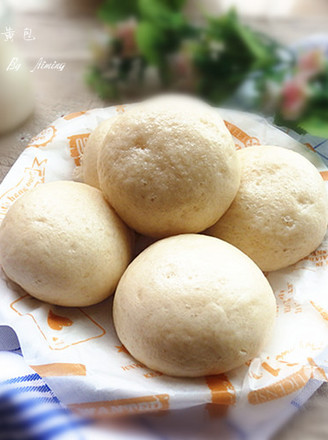

Custard Bun
by Far away call
Favorite
Difficulty
Easy
Time
2h
Serving
2
Custard Buns---Traditional Cantonese desserts, rich in milky flavor, egg yolk flavor, and noisy outer skin, loved by children
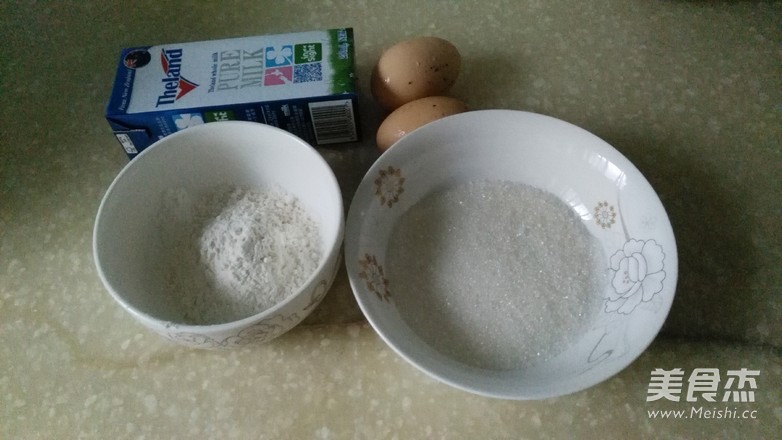
1. Collection drawing of custard filling materials. I didn't shoot butter

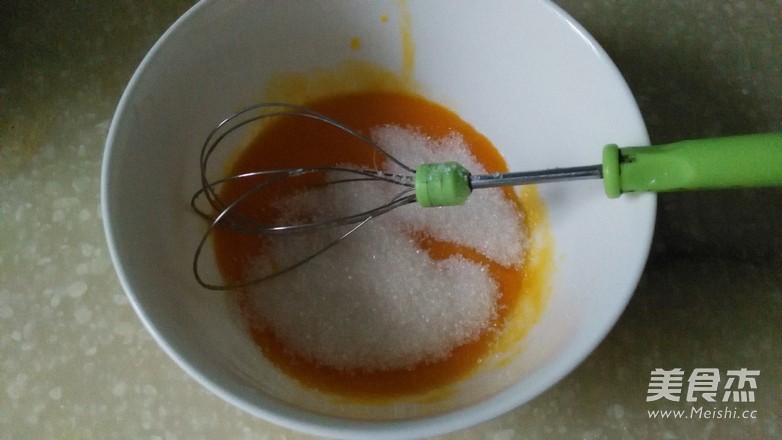
2. Whisk the egg yolks with a manual whisk, add fine sugar and beat evenly until the color turns white

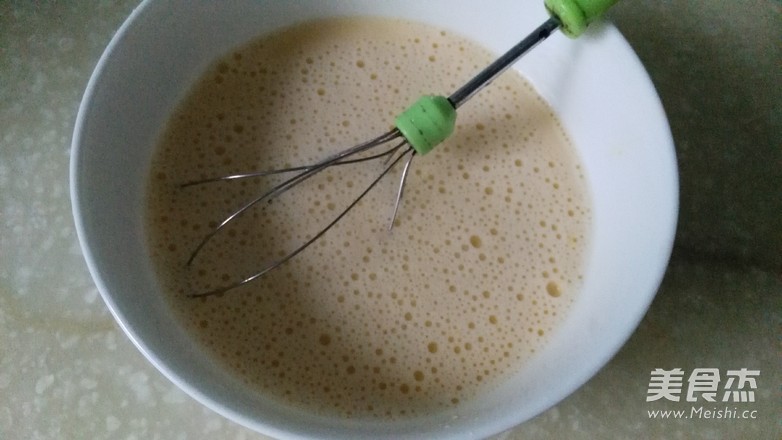
3. Add milk and beat evenly

4. Add low-gluten flour and melted butter, and beat evenly into custard
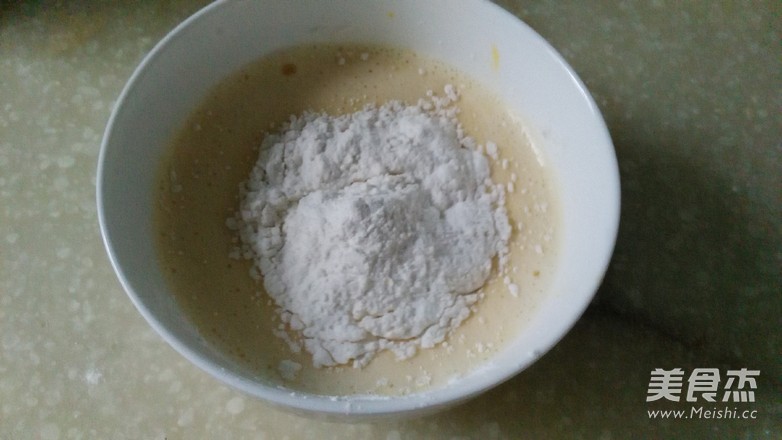

5. Filter the prepared egg and milk liquid into a small milk pot
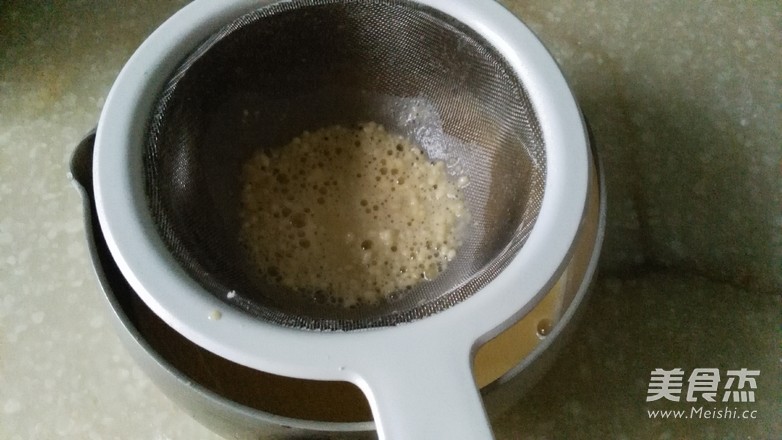

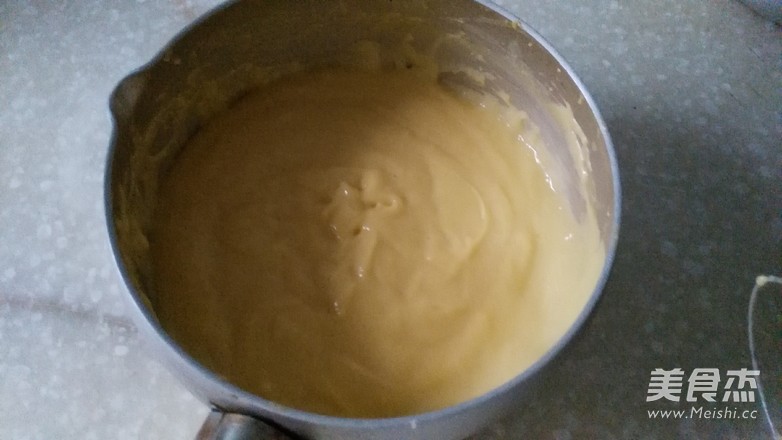
6. Heat on a low fire, stir constantly, turn over to prevent sticking, cook until it is sticky. The custard filling is ready, and it will become harder in the refrigerator after cooling.

7. Mix flour and milk powder, add 1 teaspoon of sugar, and add the yeast powder to the flour. Stir evenly and form a smooth dough. Cover with a damp cloth for fermentation.
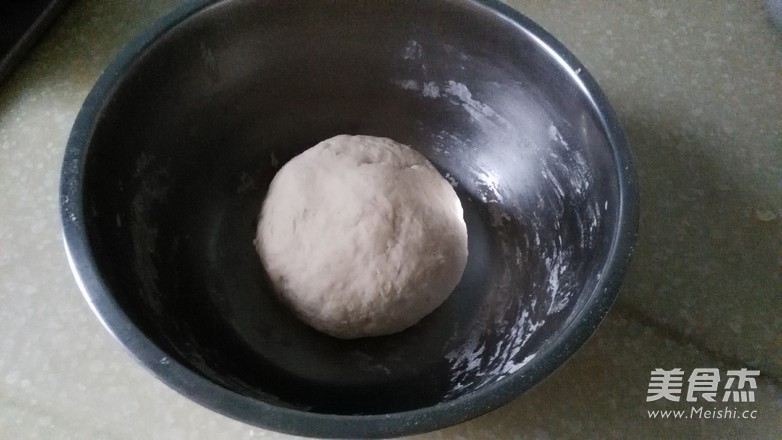

8. The dough is fermented, and the volume is twice as big
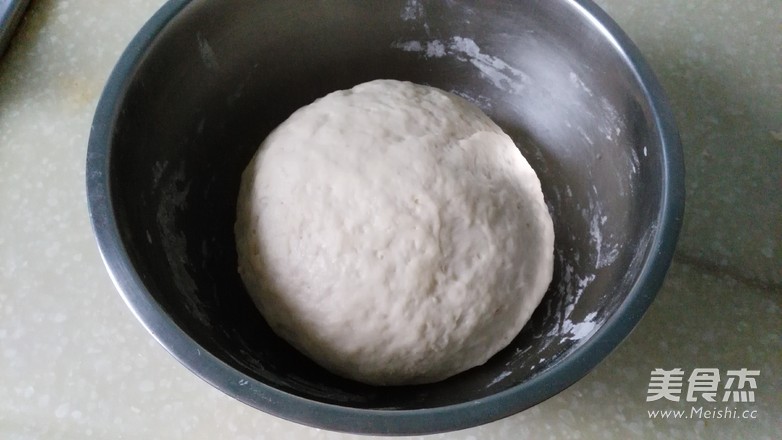

9. Take out the dough, sprinkle dry powder to prevent sticking, knead the dough to remove air, and knead the dough into a strip
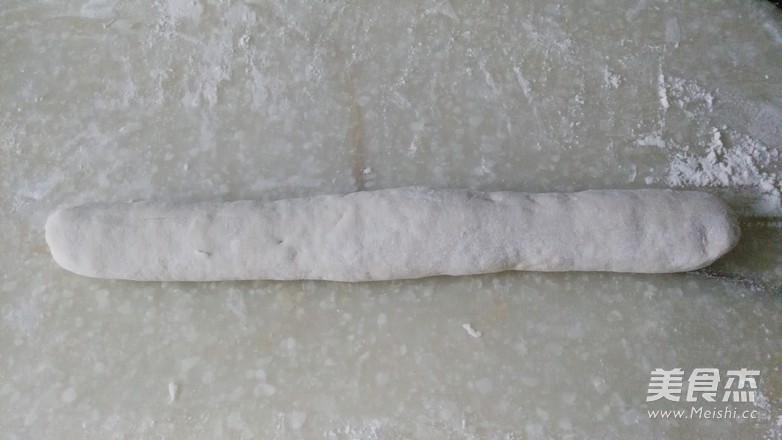

10. Use a sharp knife to divide the dough into evenly sized dough pieces
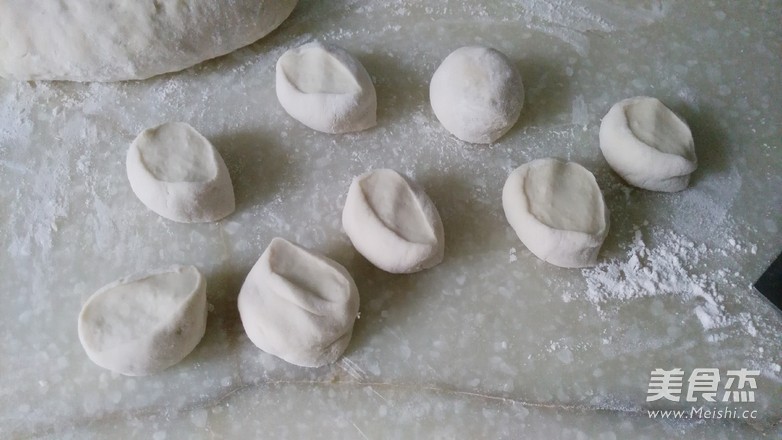

11. Flatten the dough and roll it into a round dough with a thicker middle and thinner sides
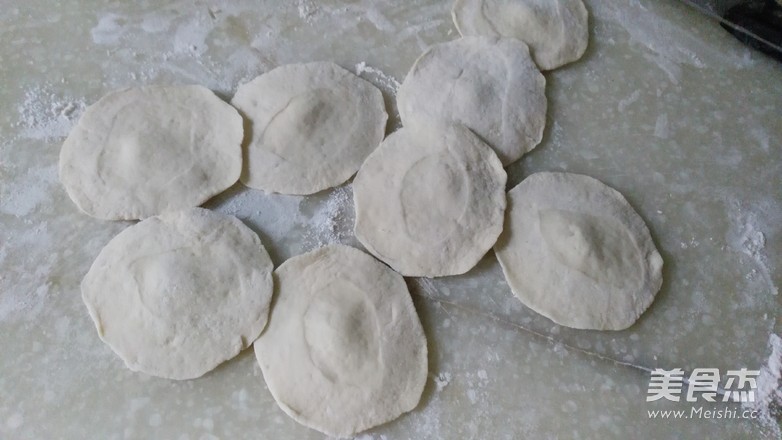

12. Take an appropriate amount of custard filling and place it in the middle of the dough
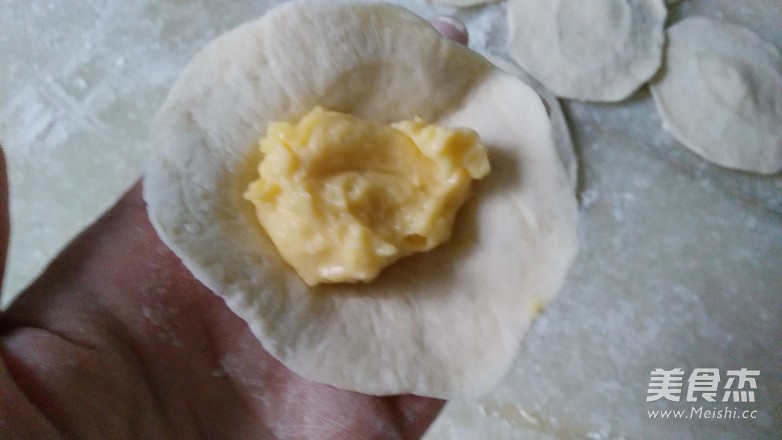

13. Wrap it into buns and pull off the excess dough
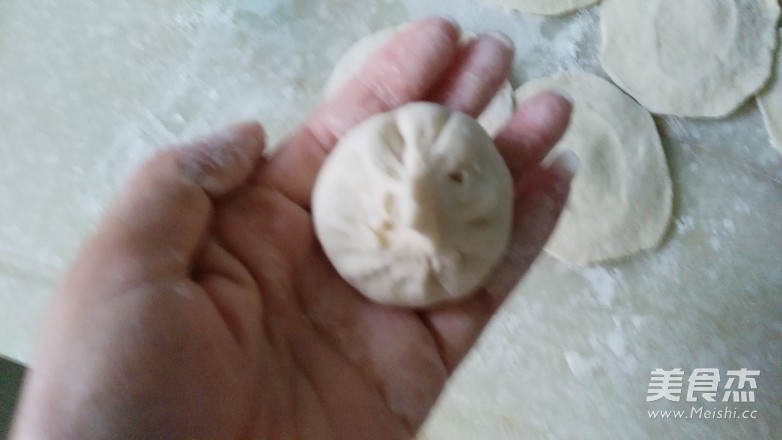

14. Close the mouth downwards and arrange it into a spherical shape. The custard encapsulated embryo is ready
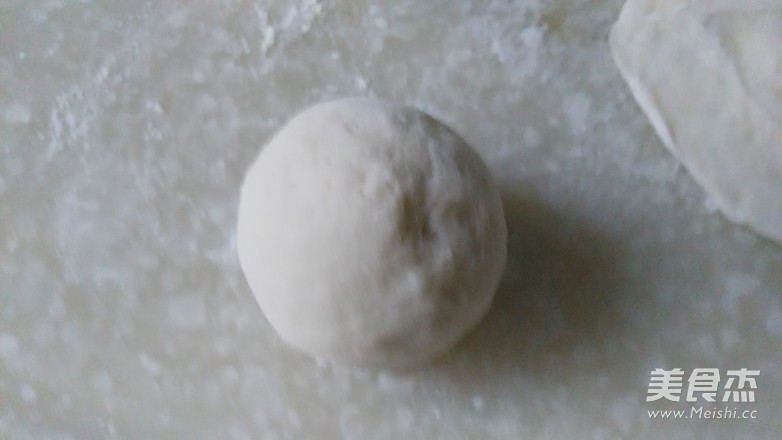

15. Wrap everything, put the custard wrapper embryo on the oiled steamer, leave a distance, and ferment for the second time. After the fermentation is completed, the custard encapsulated embryo is enlarged, light, and elastic when pressed.
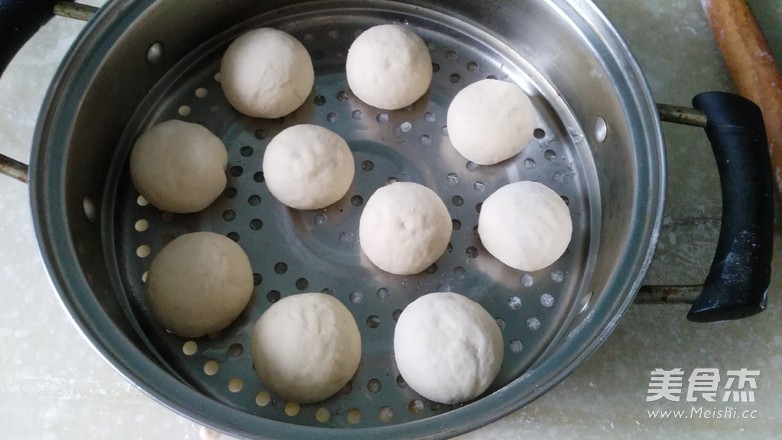

16. Cover the pot, bring the SAIC to a high heat, then turn to medium heat and steam for 6 minutes. Turn off the heat for 3-5 minutes and then open the lid to prevent the buns from shrinking
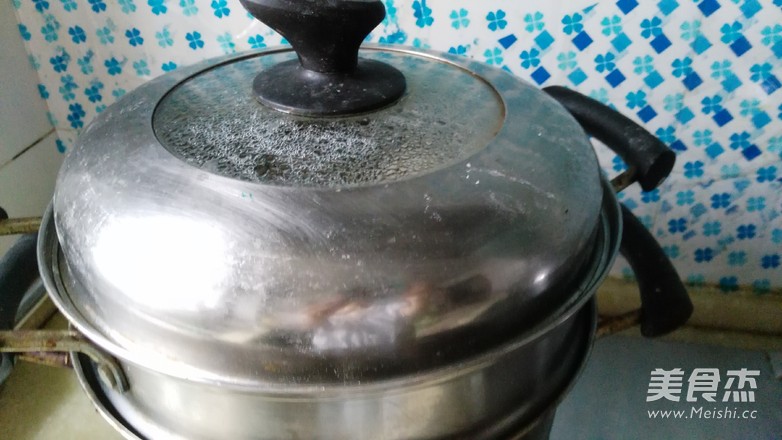

17. Take out the steamed buns, let cool and store in the freezer
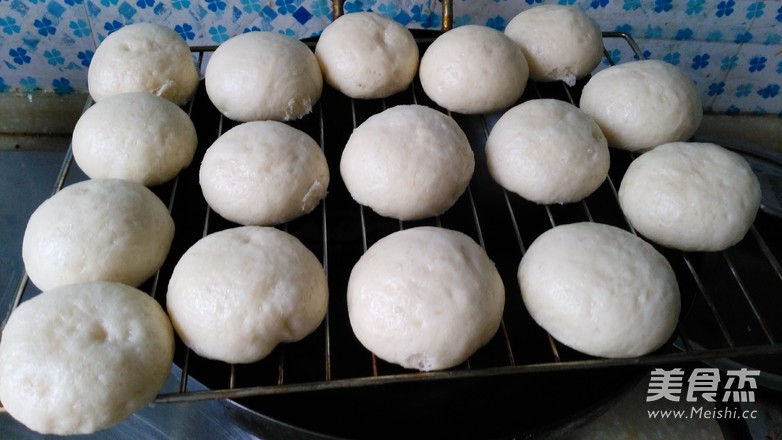

Tips:1. The custard filling is generally made by steaming. In order to save time, it is cooked in a milk pot, heated on a low fire, and constantly stirred.
2. After the finished egg milk liquid is filtered, the taste is more delicate
3. Open the lid 3-5 minutes after turning off the heat to prevent the buns from shrinking
4. The dough must be fully kneaded and air removed, so that the surface of the bun will be smooth and clean without bubbles
5. The steaming time is adjusted according to the size of the bun
6. The steamed buns are stored in the refrigerator, and then reheated and steamed without any change in taste.






 Buy on JD
 Buy on Amazon