Disposable Face Plate Liangpi
1.
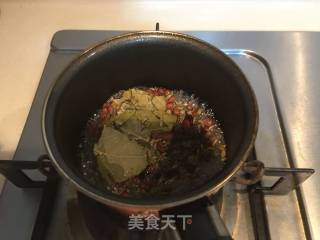
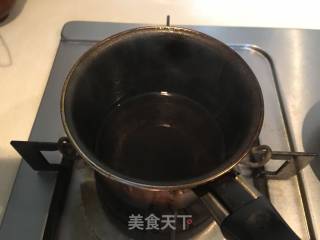
Boil a small pot of seasoning water; put a little pepper, star anise, cinnamon, cumin, bay leaves, dried ginger slices into a small milk pot, add an appropriate amount of water and cook on low heat for 10 minutes, turn off the heat and let it cool for later use;
2.
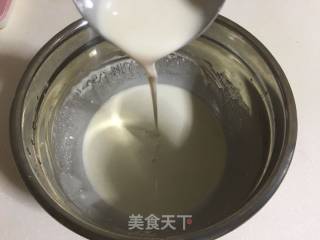
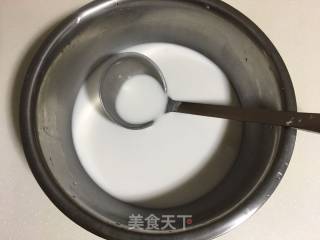
Make the cold skin without washing; pour the wheat starch, high-gluten flour and salt in the non-washing paste into a basin, add cold water in portions, and stir in one direction with egg soak to form a paste (lift your hand and pull the batter into a straight line Flowing down), let stand for 30 minutes;
3.
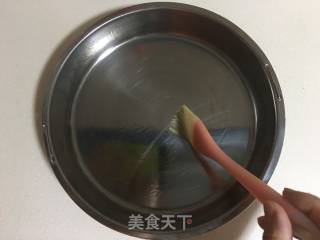
After standing, apply a thin layer of vegetable oil on the 8-inch Liangpi Gong Gong;
4.
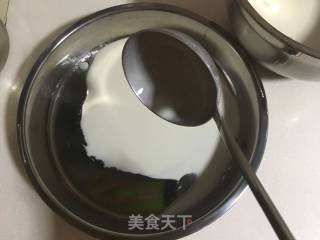
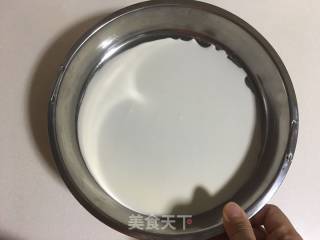
Pour in the mixed batter;
5.
Shake the extraction plate to make the batter evenly spread on the plate (this step or put the gong in the boiling water in the steamer, hold the gong ring with both hands, gently shake the gong to spread the batter evenly, but be careful of hot);
6.
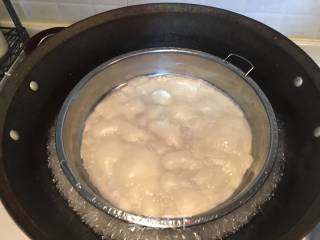
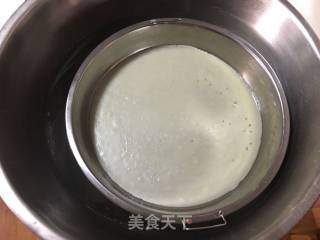
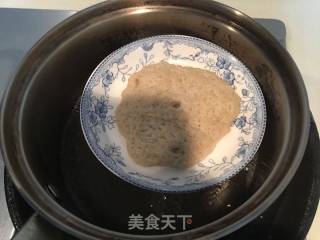
Bring the steamer to a high heat, put the Liangpi gongs in boiling water to float, cover the pot and steam for three minutes, so that the surface becomes transparent and there are bulging bubbles, indicating that the steaming is done;
7.
Take out the steamed noodles, put the gongs and gongs into a cold water basin to cool, and steam the next one like this;
8.
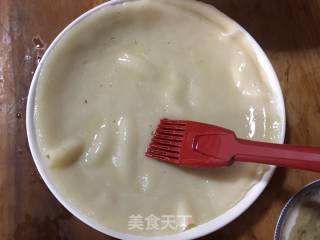
Take out the dried dough, coat it with a thin layer of cooked oil, put the steamed one on top, and complete each one in turn;
9.
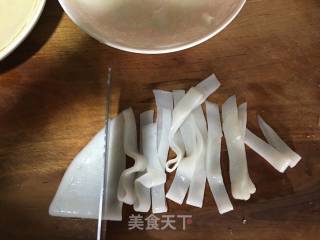
Take a piece of Liangpi, fold it in half, and cut it into strips;
10.
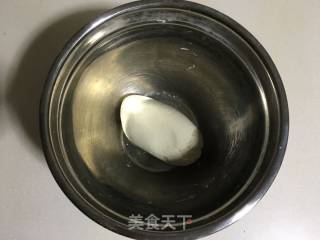
Wash the face plate to make cold skin; mix all the dough materials together and knead into a smooth dough, cover with plastic wrap and relax for more than an hour;
11.
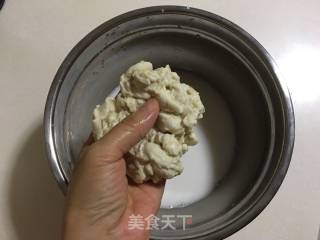
Take a large basin and pour half of the basin with clean water, put the dough in the water, rub and wash with two hands;
12.
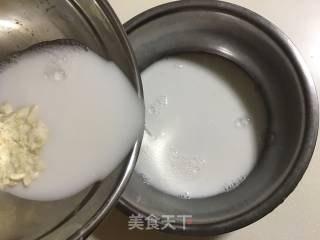
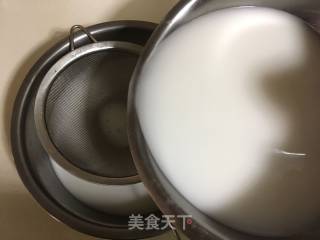
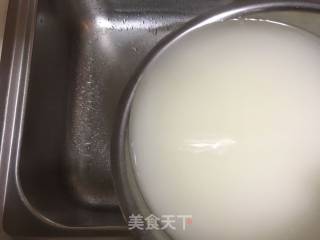
When the water becomes a batter like milk, pour it into another basin;
13.
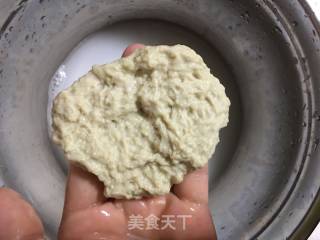
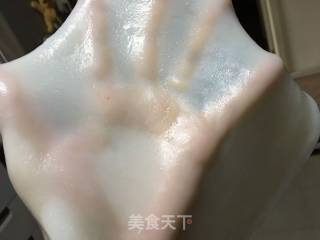
Continue to pour clean water and wash until the dough is washed into gluten;
14.
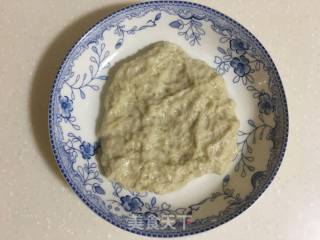
Flatten the gluten and put it on a plate for later use;
15.
Filter the cleansing water with a mesh screen;
16.
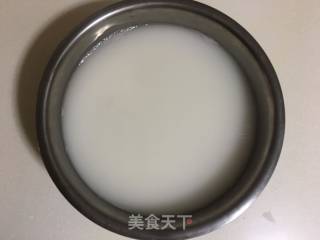
The filtered water is allowed to stand for three hours;
17.
After boiling the steamer, put the washed gluten into the pot and steam for ten minutes at medium-high heat and turn off the heat;
18.
After standing still, pour off the clear water on the dough;
19.
The remaining thick noodle paste can be used to steam the cold noodles. The process of steaming cold noodles can refer to the above 4 to 7 steps;
20.
Steamed
21.
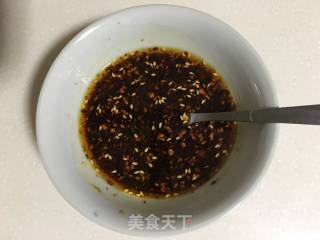
Soy sauce, balsamic vinegar, garlic paste, salt, pepper oil, monosodium glutamate and sesame oil are mixed together and stirred to make a sauce;
22.
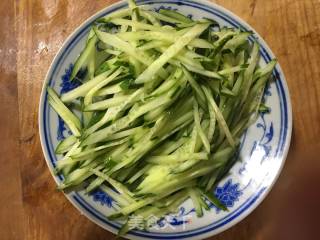
Cut cucumber into thin strips;
23.
Scoop out the seasoning in the seasoning water and throw it away;
24.
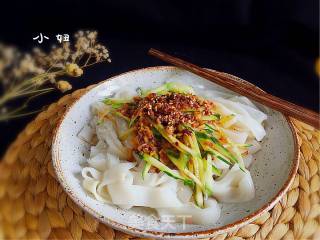
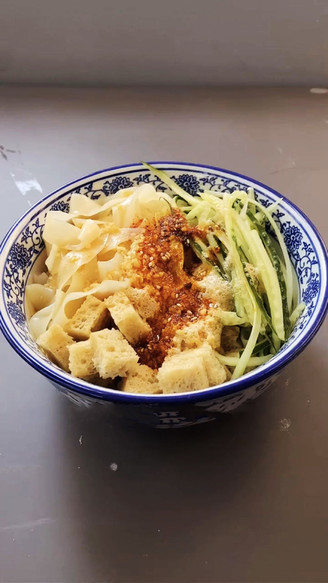
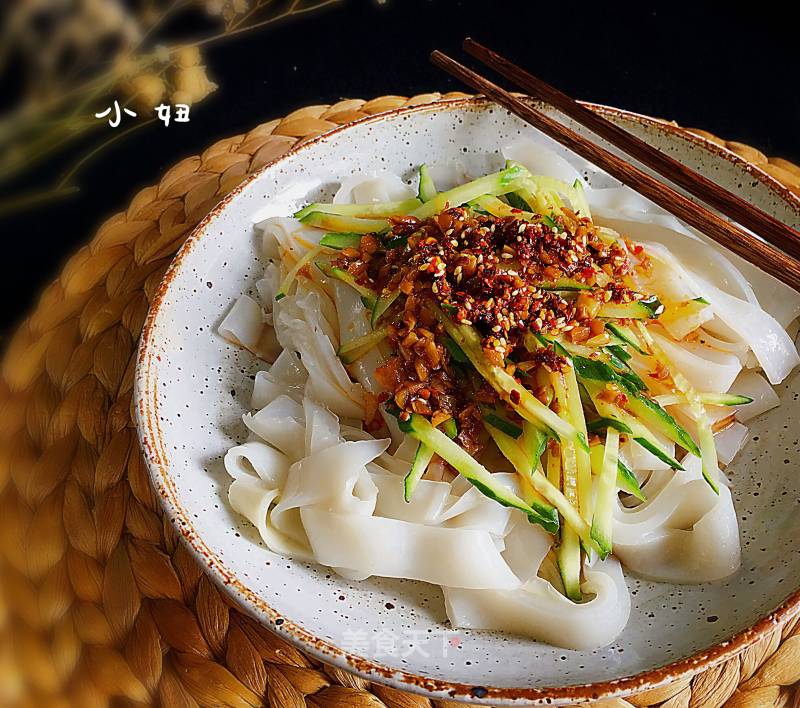
Put the cold skin into a plate, put cucumber shreds on it, and pour it with cool seasoning water and seasoning juice before eating.
25.
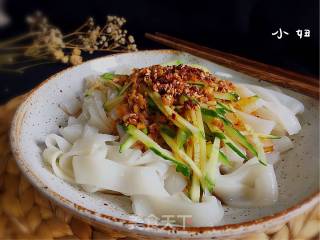
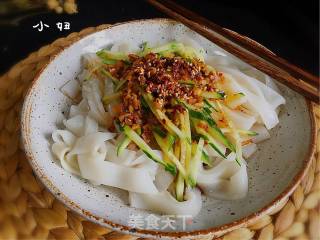
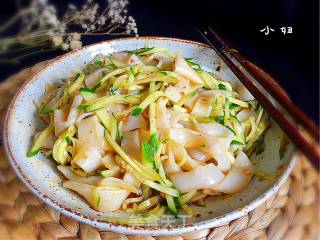
Finished picture
26.
Finished picture
27.
Finished picture
28.
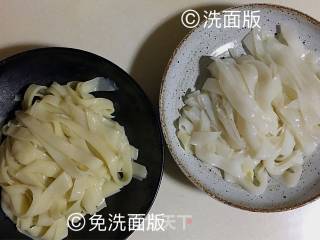
The difference between the disposable face plate and the clean face plate is sauce purple!
29.
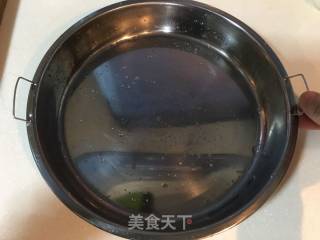
The stainless steel Liangpi gong grows like this!

Tips:
1) My Liangpi gong is 8 inches in size, and the amount of leave-in and face wash in the recipe can steam about 8 and 9 pieces of dry Liangpi for reference. 2) I have tried both disposable cold skin and facial cleansing cold skin. The finished product made of facial cleansing cold skin is better than disposable cold skin in terms of appearance and taste. 3) When each piece of steamed cold skin is stacked together, it must be brushed with a layer of cooked oil in the middle. When cutting, it should be cut one by one to avoid sticking. 4) When the surplus water is poured out after the non-steamed noodle paste settles, you can pour out more to prevent the paste from becoming too thin, or try steaming one first before adding it as the case may be. In fact, no matter what method is used, it is not too late to steam a piece of batter to try the consistency of the batter for the first time. 5) The washed gluten can also be kneaded with a little yeast to make it softer when steamed.

 Buy on JD
 Buy on Amazon