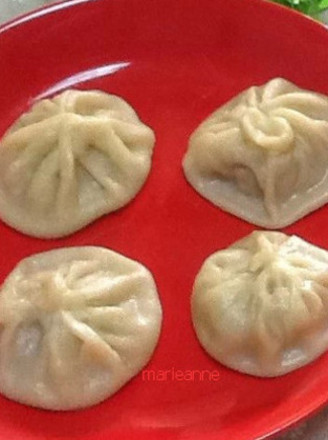

Homemade Small Soup Dumplings
by marieanne
Favorite
Difficulty
Easy
Time
15m
Serving
2
Do it yourself, eat at ease
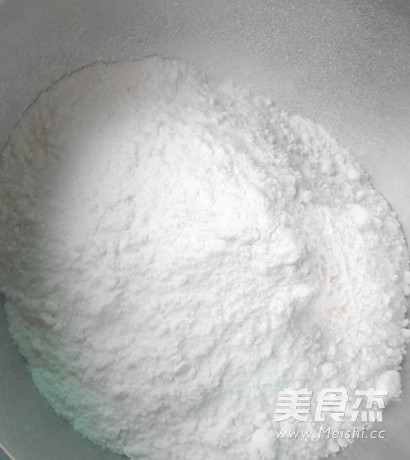
1. Pour flour into the basin, add yeast powder and appropriate amount of salt and mix well

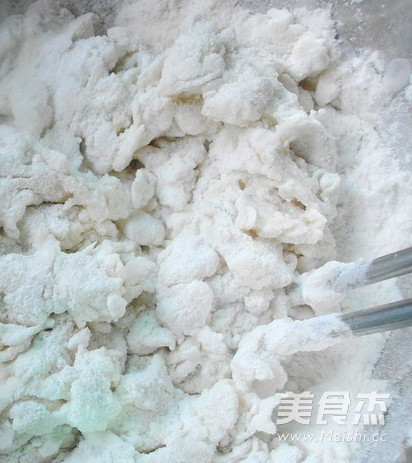
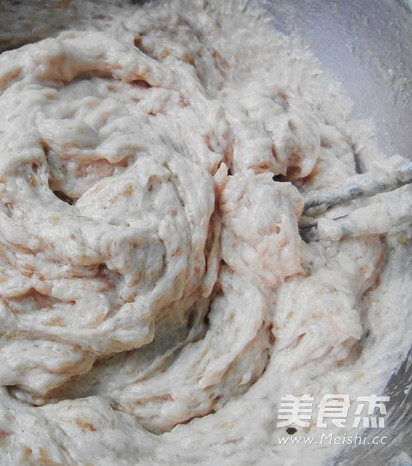
2. Add appropriate amount of warm water and use chopsticks to mix the flour into a flocculent shape; do not add too much water at a time

3. Knead into three light dough (pan light, surface light, hand light),
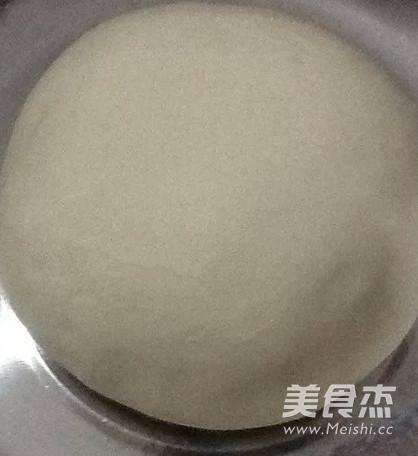

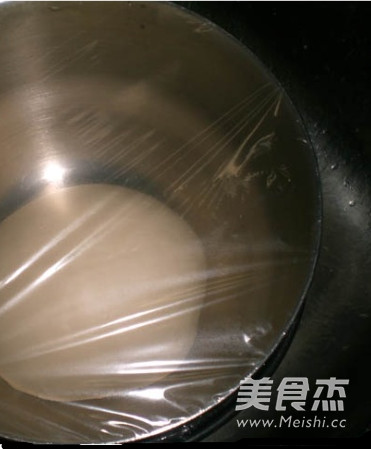
4. Cover the dough with plastic wrap and let it stand for 10 minutes. Repeat the process of mixing the noodles—kneading the noodles—the noodles—and the noodles 4 times until the dough is very smooth and gluten; it starts when the dough becomes gluten. Cover it with plastic wrap or a damp cloth to ferment (in a room with a room temperature above 28 degrees, it will take about 45 minutes to ferment). If the oven has a fermentation function, it is more convenient to use the oven for fermentation.

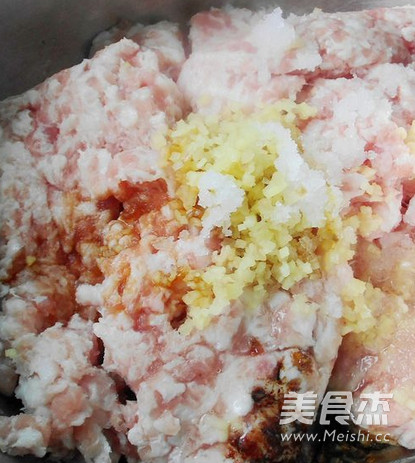
5. Take a large pot, pour the meat, then add all the seasonings

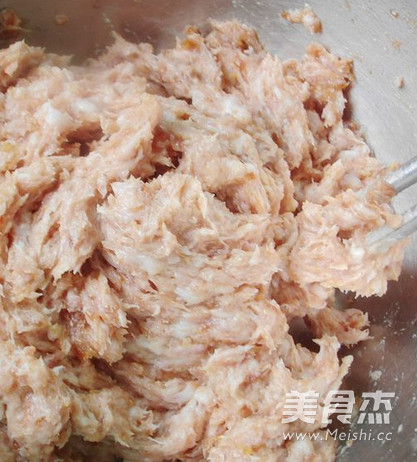
6. Stir in one direction until the minced meat and seasoning are completely mixed

7. Add the broth in portions, and keep beating it with your hands.
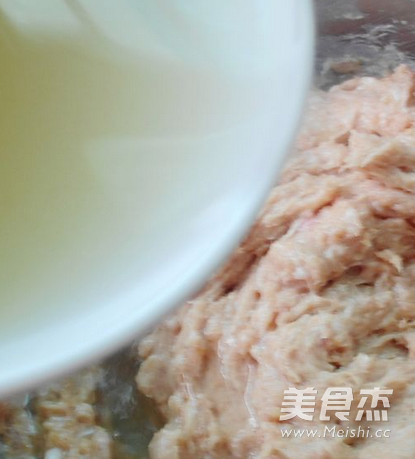

8. Stir until the filling and broth are fully integrated, and the filling is expanded but condensed

9. When the fermentation time is almost up, press the dough with your fingers to make a small hole, and it will not disappear immediately, so the fermentation is complete! !
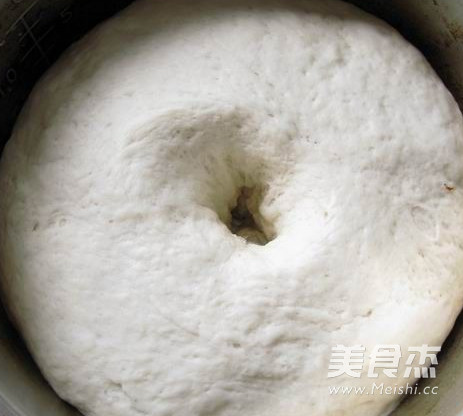

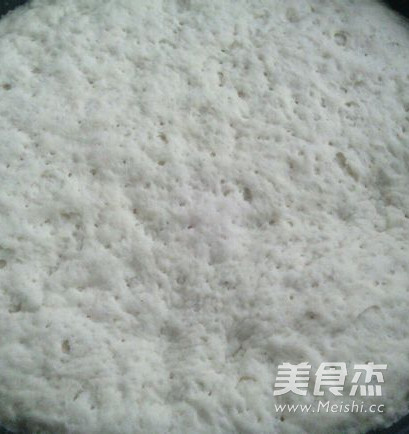
10. The standard for checking whether the dough is well fermented is: double the volume, and peel the middle of the dough into a honeycomb shape, remember not to overgrow it, the overgrowth will become sour.

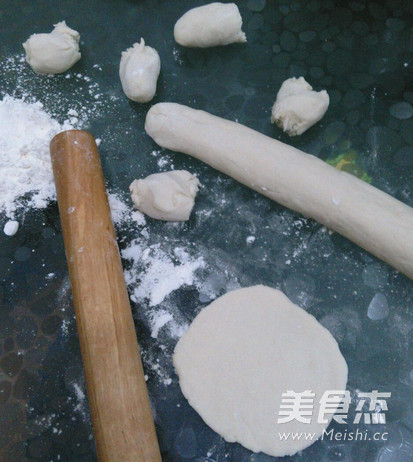
11. Sprinkle some flour on the countertop to prevent the dough from sticking. Knead the dough again so that the air is discharged. Divide the dough into three equal parts, knead them into long strips and then pull them into small pieces, flatten them and roll them into dough skins that are about the same size as the usual dumplings (roll the skin with a rolling pin) , The middle is thick and the surrounding is thin, but the thickness should be even and round as much as possible. Because the surface is soft, it can be done by pulling the edges. After rolling the skin, pay attention to ensuring that the skin has an even surface with a thin layer Powder (not much), this is mainly to prevent deformation and sticking together when pinching the pleats later)

12. Put the skin in the palm of your hand, with the floured side facing your palm, scoop a spoon of the prepared meat filling and place it in the middle of the bun skin, fold a fold with your right hand (use the seam between your thumb and index finger to hold the bun in your right hand) Mouth. Do not move the position of the big finger, hold the edge of the dough little by little and wrap it forward. After the dough is pleated and turned around, the pattern will come out. Use your thumb to pinch to close the mouth), Fold the second fold again. Glue the two pleats together at the top, tilt the top counterclockwise as much as possible, and then fold the third pleat, because the leather is relatively soft, as long as the top of each pleat is gently glued one by one, so layer by layer , So be sure to make sure that the skin around it is as thin as possible, and the noodles should be softer, otherwise the lump will become very thick, fold it to 2/3, and then fold the next fold with your right hand. The folds of the whole bun are slightly slanted counterclockwise and should be as even and fine as possible. For soup dumplings, make sure not to pinch to death on top, leaving a hole.
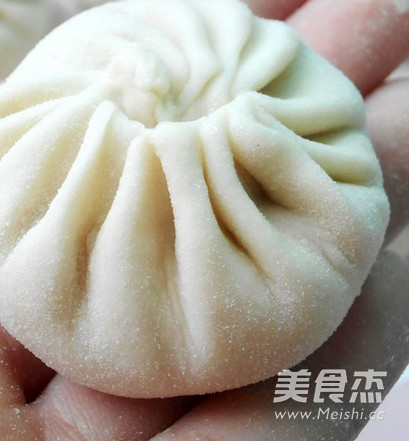

13. Put water in the pot and heat to about 50 degrees, then turn off the fire. After turning off the fire, put the buns on the steamer and let stand for 15 minutes.
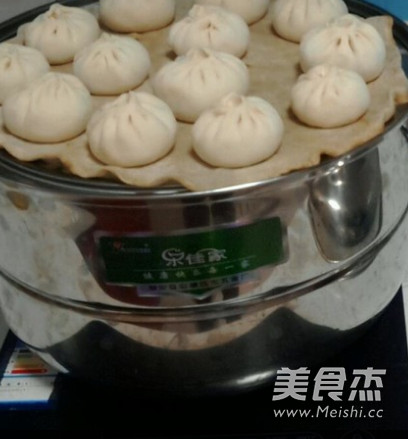

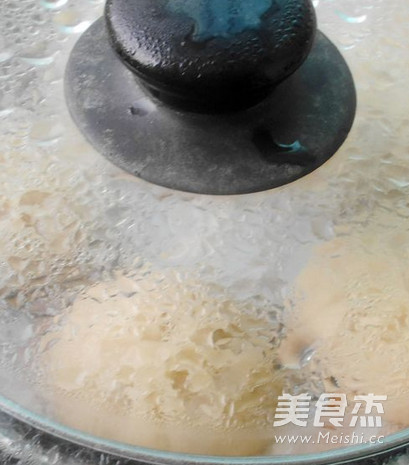
14. After 15 minutes, bring the water in the pot to a boil, steam on high heat for 10-15 minutes, turn off the heat and wait for 3 minutes to cook

Tips:1. Roll the skin with a rolling pin. The middle is thick and the surrounding is thin, but the thickness should be even, as round as possible, the size is as you like, this is mainly the problem of the size of the bun you want. Try to be thinner around the sides. This is related to the problem of closing the mouth later.
Because the noodles are relatively soft, the rolled skin should be careful to ensure that there is a thin layer of powder evenly on the skin (not much). This is mainly to prevent the folds from becoming deformed and sticking together later.
2. If you don't know how to use a rolling pin, pinch it with your hands. It's actually good, but you need to pinch it evenly. (Let’s be flexible, even in the dumbest way)




 Buy on JD
 Buy on Amazon