

Honey Crispy Bread
by Looking for Mimi
Favorite
1
Difficulty
Easy
Time
30m
Serving
5
Crisp, soft and sweet buns.
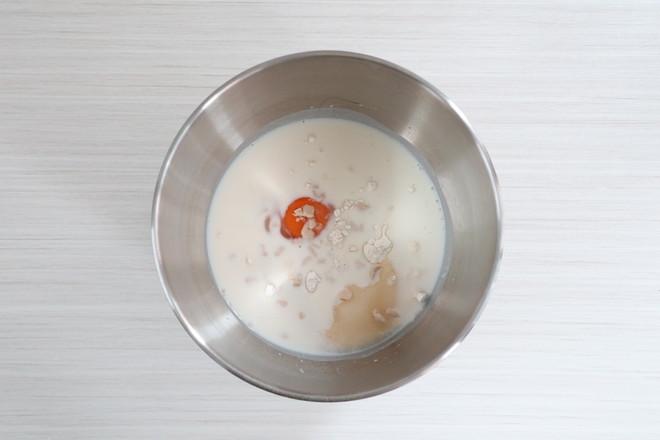
1. Pour all the ingredients needed for the bread body except butter into the dough mixing tank. The salt and yeast cannot be in direct contact, and they need to be placed separately.

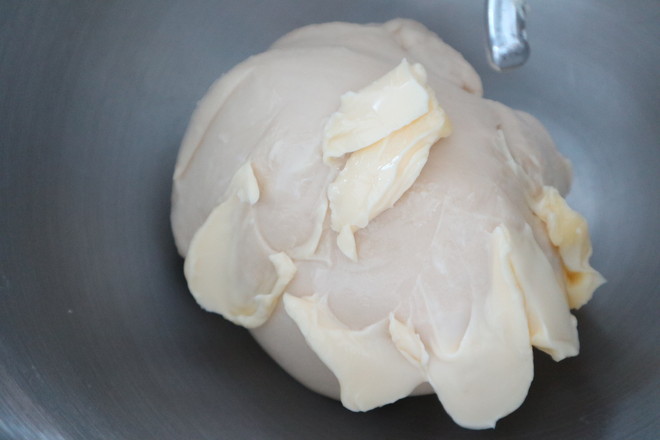
2. The cook machine whipped until the dough was soft, smooth and elastic, and a thicker film could be pulled out. Add the butter that has been softened in advance and continue to beat.

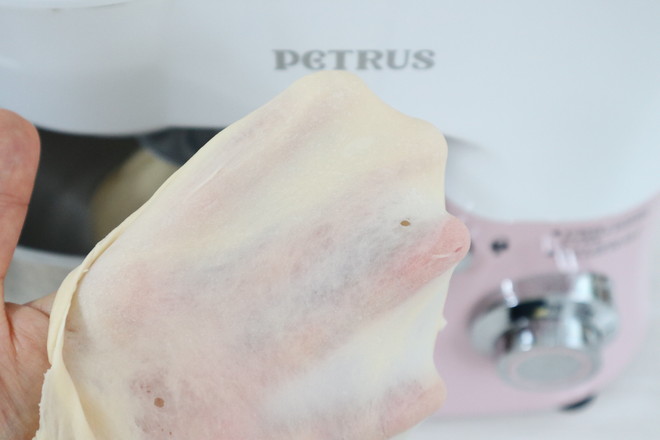
3. Check the dough, and you can pull out a thinner and tougher film than before.

4. The dough is placed in a container, covered with plastic wrap, and placed in a greenhouse (appropriately 28 degrees) for basic fermentation.
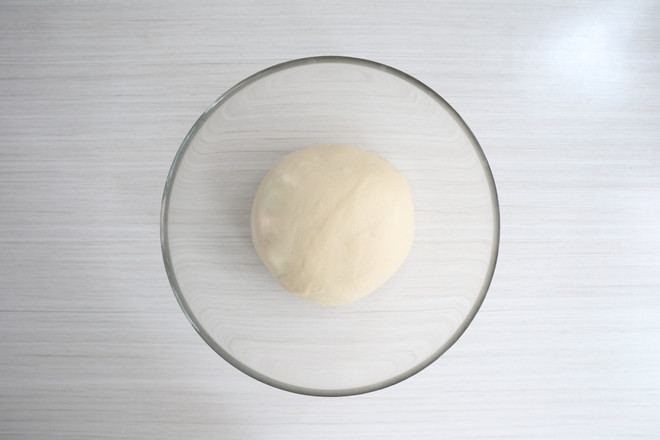

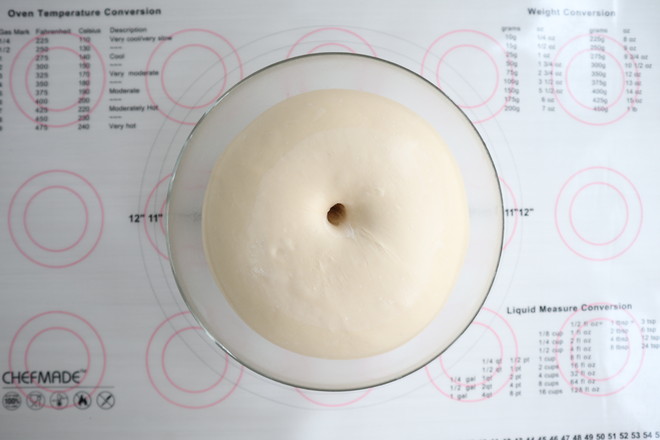
5. When the dough has risen to twice its size, dip your fingers in the flour and poke a hole on the surface of the dough. The hole does not immediately rebound and the dough does not collapse, indicating that the fermentation has been completed.

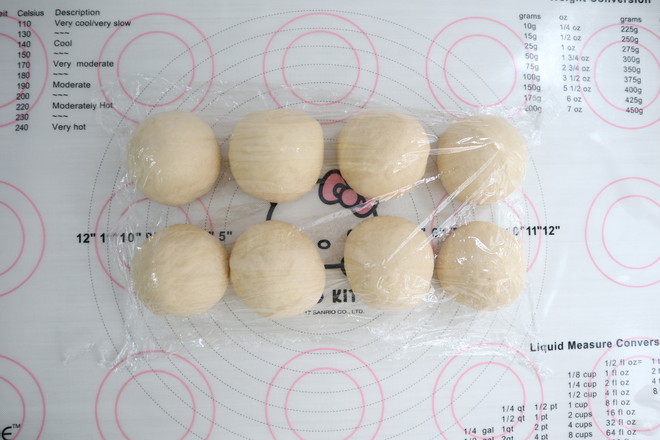
6. Take out the dough and pat gently to exhaust. Divide equally into 8 parts with a scraper, cover with plastic wrap and let rest for 15 minutes after spheronization.

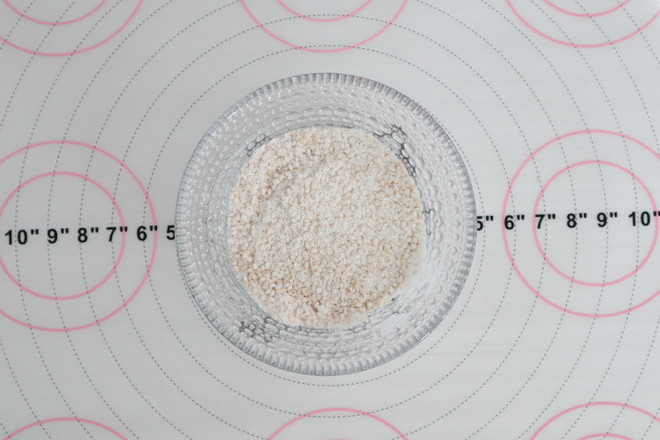
7. Put the white sesame seeds, fine sugar, and low-gluten flour into a small bowl and mix well. Pour corn oil into the baking pan, and spread the inner wall of the baking pan evenly.

8. Roll out the small dough in turn, roll it up from top to bottom, thin the bottom edge, and pinch tight at the end. Use a spatula to cut in half from the middle.
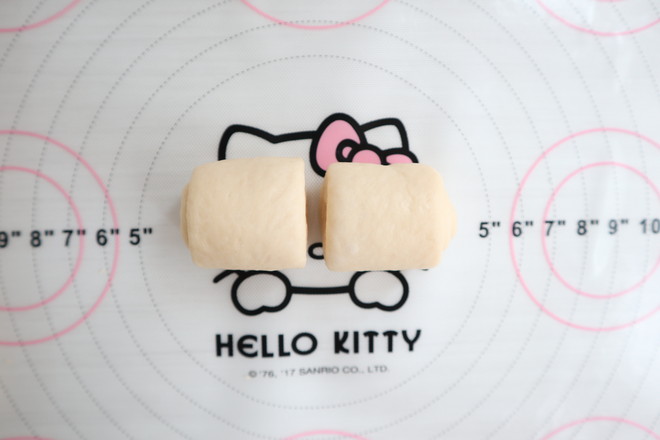

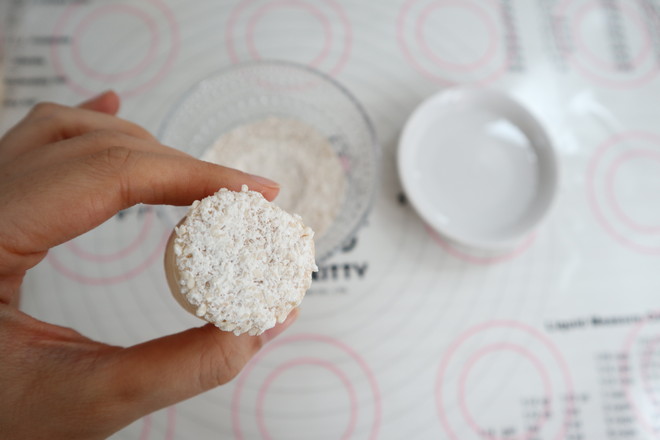
9. Dip an appropriate amount of water on the cut noodles, and then evenly dip in the mixed sesame sugar.

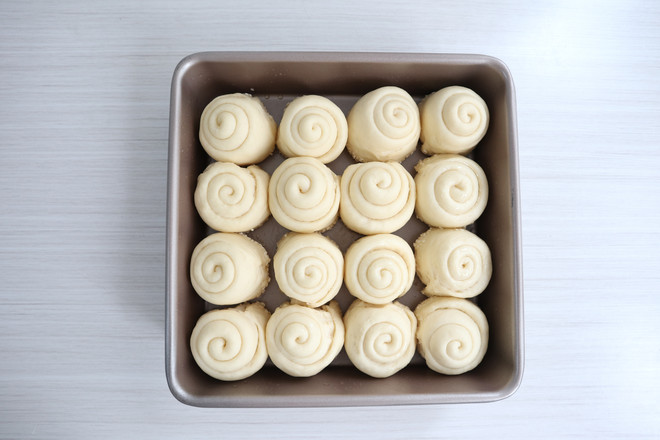
10. The cut side is facing down and neatly placed in the baking tray. Put it in an environment with a temperature of 35 degrees and a humidity of 70%, and carry out secondary fermentation. The dough will be fermented to 1.5 large. Press the surface with your fingertips to slowly rebound.

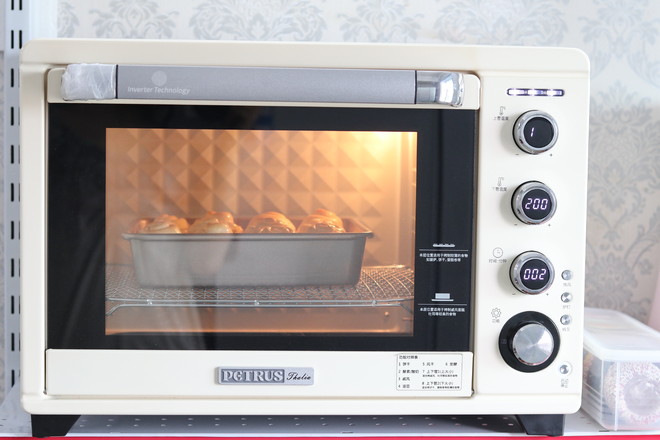
11. Put it in the preheated oven, heat up to 160 degrees, lower to 200 degrees, and bake the lower layer for about 20 minutes. Mix honey and purified water evenly. Take out the bread when it is baked for 15 minutes, quickly brush the surface with a layer of honey water, and then put it back into the oven to continue baking.

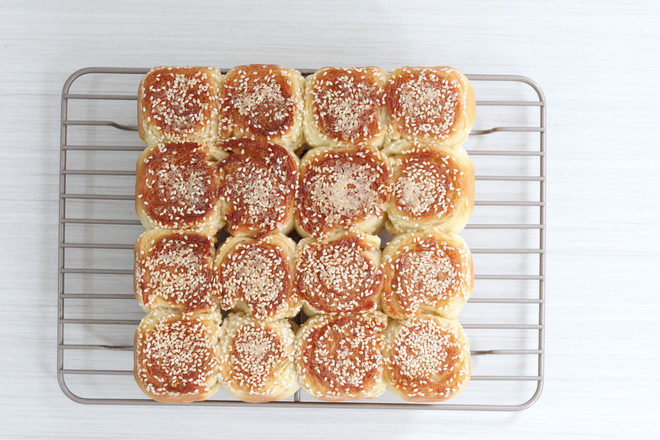
12. After roasting, they are out of the oven, and they are inverted on the drying net to cool down, and they can be eaten after cooling.








 Buy on JD
 Buy on Amazon