Lotus Leaf Cake
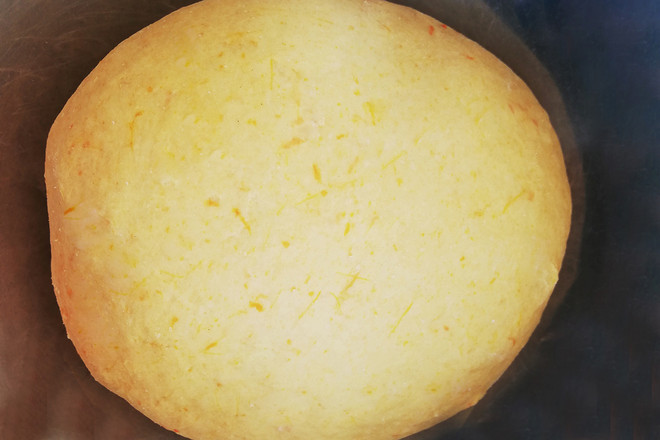
1. Take about 120 grams of pumpkin, cut into small pieces, put it in a microwave oven, heat on medium-high heat for 5 minutes, the pumpkin is cooked, crush it into a puree with a spoon, let it warm, and add it to ordinary flour. Mix an appropriate amount of warm water with yeast powder to make yeast water, slowly add it to the pumpkin puree flour, pour it while stirring with chopsticks until there is no dry powder, and then knead it into a smooth dough.
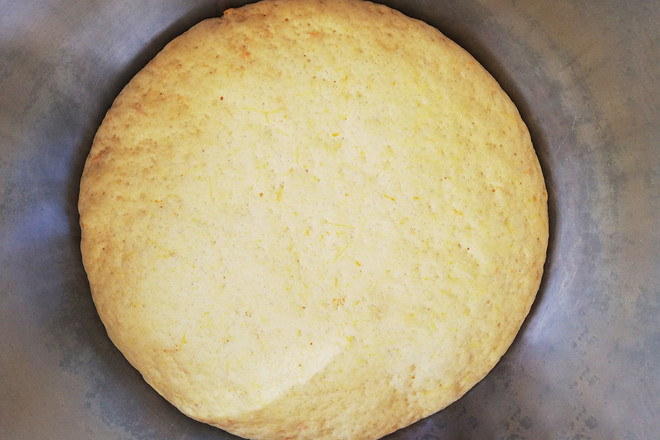
2. Cover with plastic wrap, put it in a warm place, and ferment to double its size. Check the fermented dough with your hands. The inside is honeycomb-shaped.
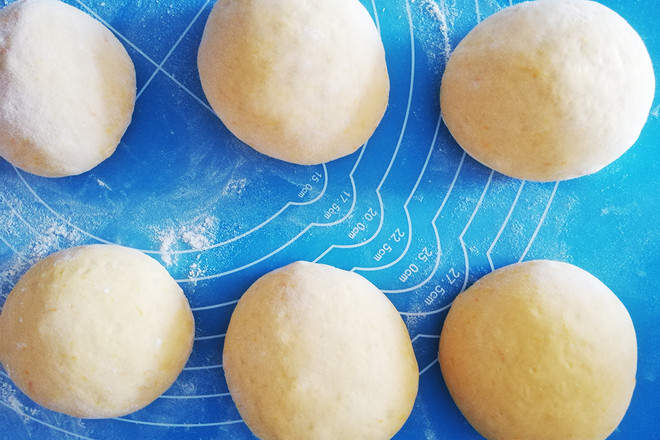
3. Put an appropriate amount of dry powder on the chopping board, take out the dough, vent it, and then divide it into 6 evenly small portions and knead them into circles.
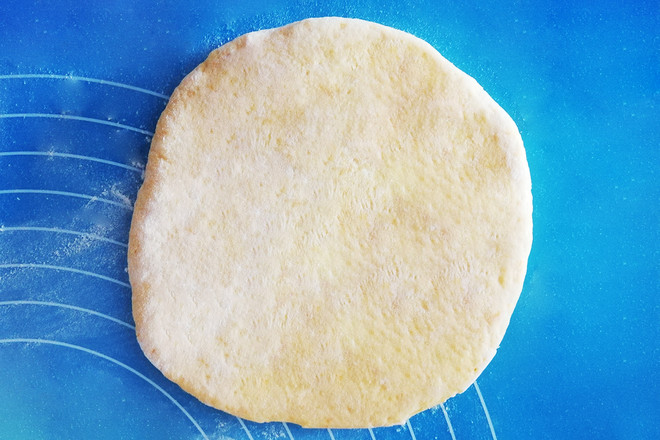
4. Take a small dough and roll it into a round cake about 1 cm thick with a rolling pin.
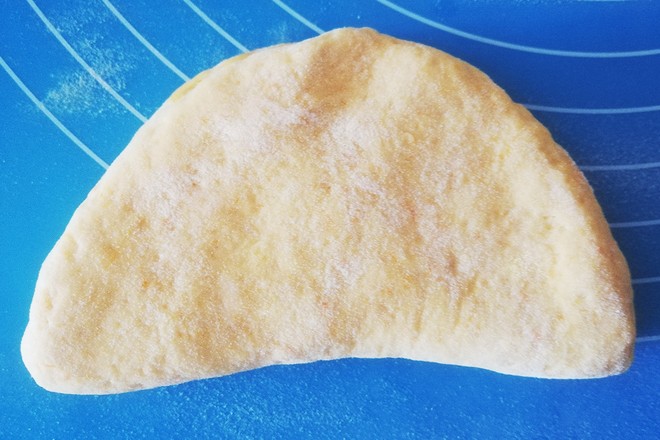
5. Dip an appropriate amount of peanut oil with a brush, brush it evenly on the rolled dough, and then fold it into a semicircle.
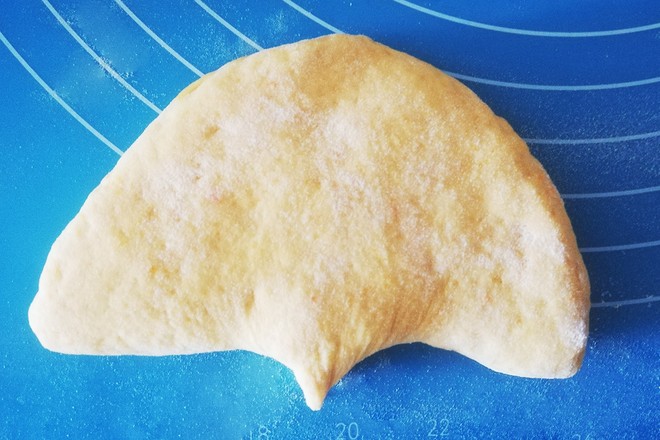
6. Use your hands to shape the semicircular dough into a fan shape, and pinch out the sharp corners of the fan shape.
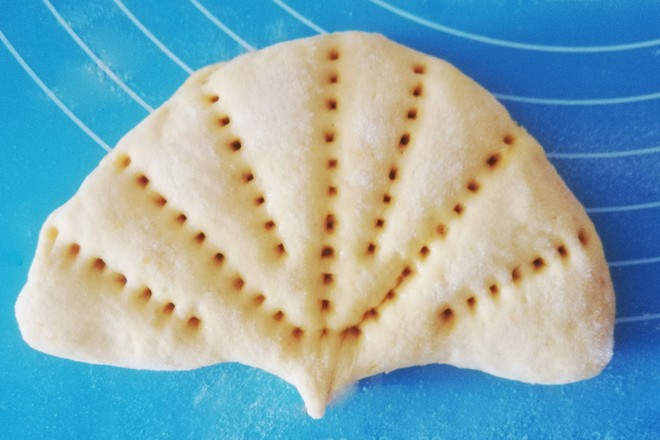
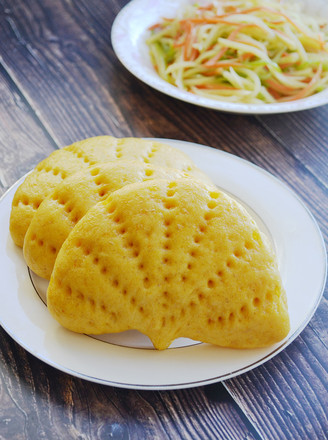
7. Find a clean fork, and evenly press the fan-shaped pattern as shown in the figure below on the fan-shaped cake.
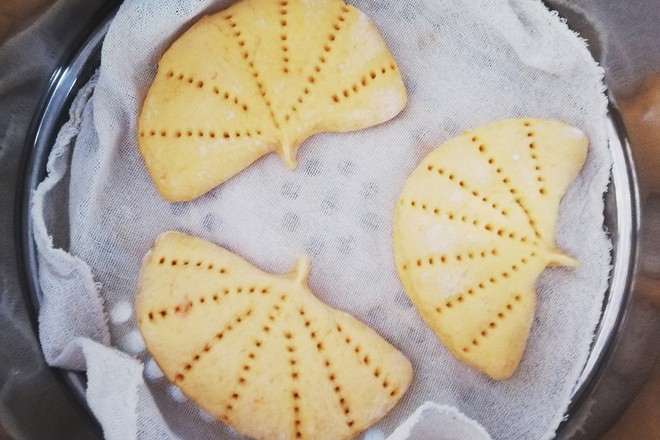
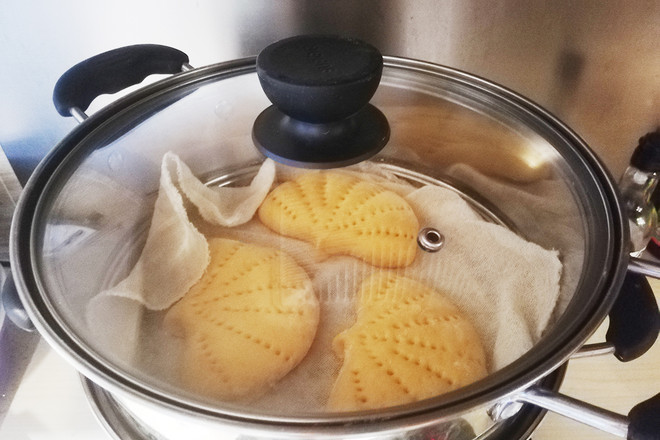
8. All the lotus leaf cakes are made one by one, put in the steamer, and fermented for about 15 minutes.
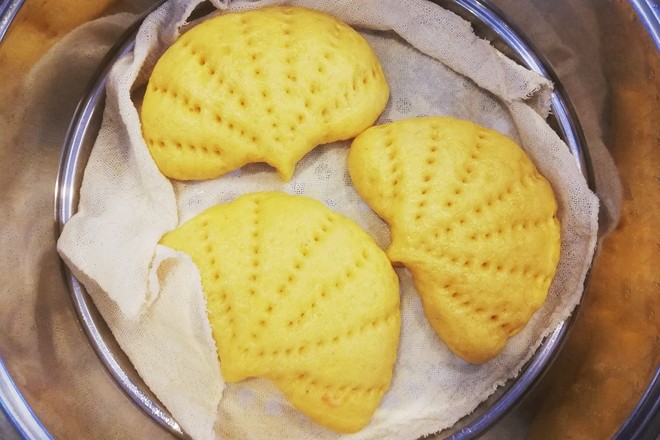
9. Put an appropriate amount of water in the steamer, bring it to a boil, put the second fermented lotus leaf cake in the steamer, and steam for about 15 minutes.
10. The fluffy and beautiful lotus leaf cake is ready, take it out and place it on the bamboo curtain to make it breathable and avoid water vapor soaking the soft lotus leaf cake.
Tips: 1. When embossing the lines with a fork, you can use a little bit of force, and the force is small. The second fermentation in the later stage includes steaming in the pot, which will cause the lines to disappear. If the fork sticks to the noodles, you can dip it in a little oil or dry flour, and then emboss it, so that it doesn't stick.
2. The dry humidity and softness of the dough are just the same as when making steamed buns.

 Buy on JD
 Buy on Amazon