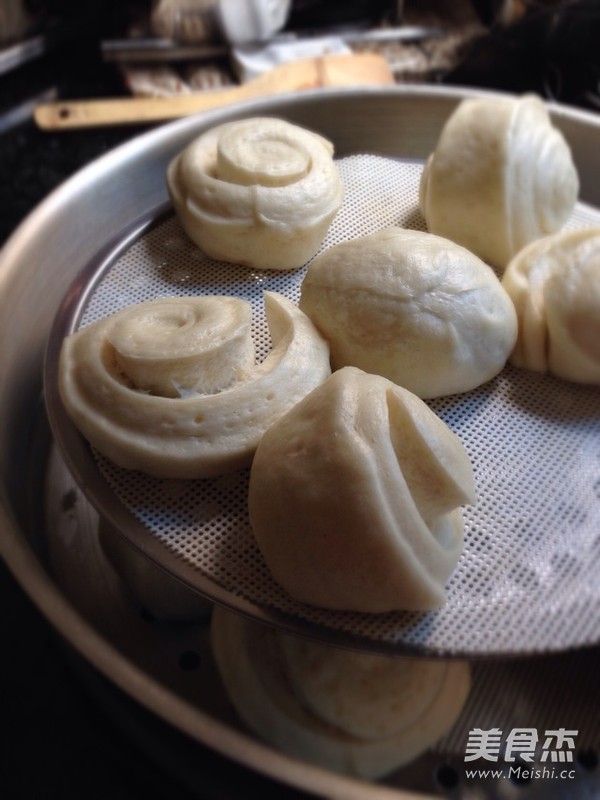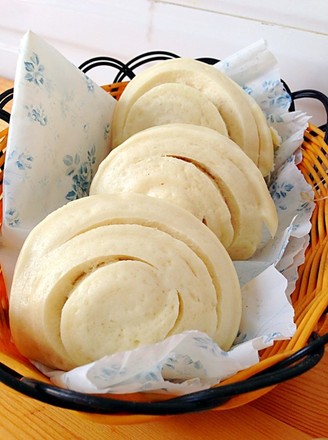
Milky MantouPin this image

Milky Mantou

by a Su Xiaoyun

5.0 (1)
Favorite

Difficulty

Easy

Time

30m

Serving

4

The ordinary steamed buns on the market are soft and tasteless. They usually only rely on yeast, baking powder or even special additives for simple fermentation to make the steamed buns look big and cost-effective. There are very few chewy buns on the market. If you are also looking for chewy and milky flavor, try this bun!
The key to this steamed bun is: adding one-tenth of the dry powder of the fermented dough during the venting stage to mix, the function is to reduce the moisture of the dough, so that it will reduce the softness caused by the evaporation of moisture during the second fermentation and cooking process. At the same time, because the water content of the steamed buns is reduced, the steamed buns will not become dry or hard when they become cold. Moreover, you can eat them until they are cold to taste the thick milky flavor. The more you chew, the sweeter! Best match with summer!

Milky Mantou

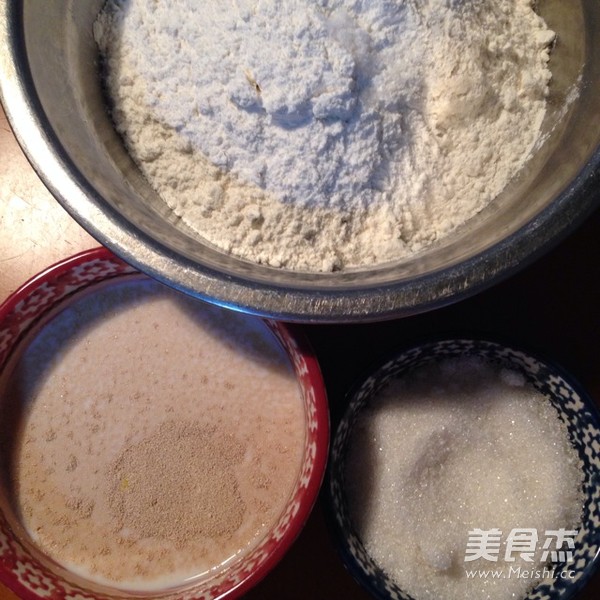
1. Add 2g of salt to 500g of flour; heat the milk until it is warm and not hot, add 5g of yeast to dissolve; weigh the white sugar and set aside

Milky Mantou recipePin this image

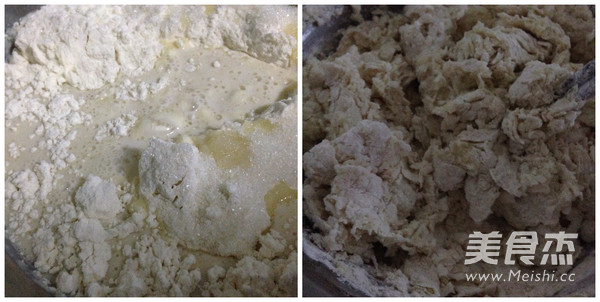
2. Pour all the white sugar and milk into the flour, stir into a block with chopsticks

Milky Mantou recipePin this image

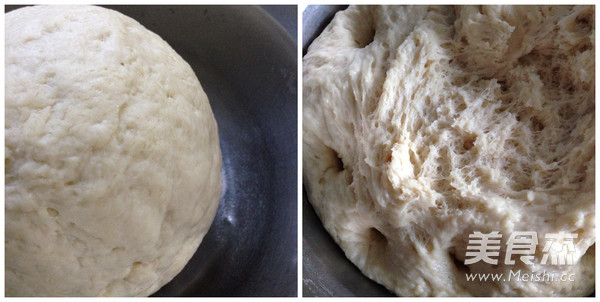
3. Knead and mix by hand until it is completely mixed and a slightly smooth appearance; seal and ferment for one time (1-2 hours), until it is twice as large, and does not rebound to tear the honeycomb shape

Milky Mantou recipePin this image

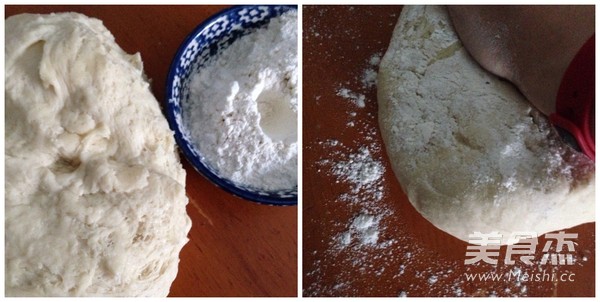
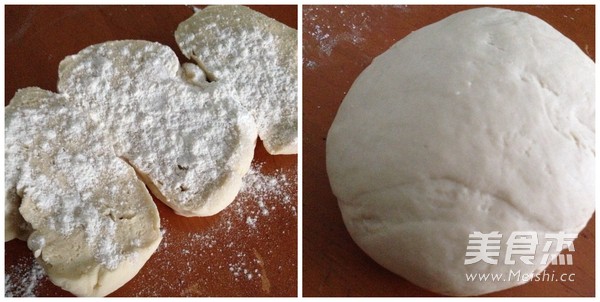
4. The key to chewy buns is the exhaust treatment between the first proofing and the second proofing, which takes about 25 minutes. Namely: transfer the fermented dough to the seat, weigh 50g of flour, put the flour into the dough 4-5 times, and vent and knead by hand

Milky Mantou recipePin this image

5. From the second time of adding the powder, cut the dough into 3-4 parts, then add the dry powder, mix and knead again. Note: Always make sure that the previous dry flour and dough are completely mixed, and then add new dry flour after it is moisturized. In the end, 50g of dry flour and yeast dough are completely mixed to restore smoothness and moisture.

Milky Mantou recipePin this image

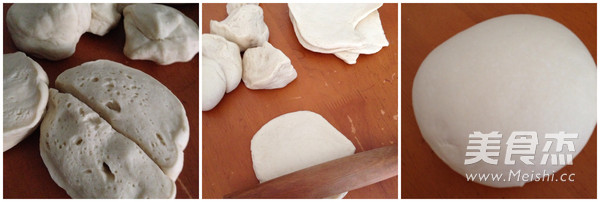
6. Divide the dough into several parts, knead and exhaust separately (make the dough cut without obvious holes), this part will also take 20 minutes; however, use a rolling pin to flatten them separately, and then stack them again; hand wipe Vegetable oil, re-kneaded and mixed into the original shape (the dough mixed with dry powder is especially smooth but still moist)

Milky Mantou recipePin this image

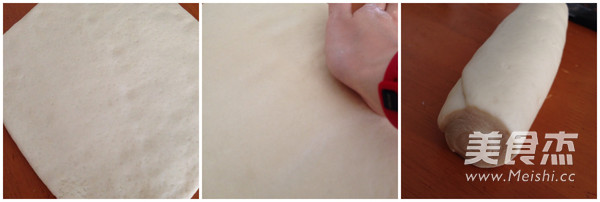
7. Into the shaping stage: Divide the dough into 4 parts and roll it out; compact by hand to ensure complete exhaustion; roll up the two overlapping pieces, cut off the head and tail to reshape, and cut the middle with a knife to the desired width; note : You can choose to knead it directly to form a round shape, and the outside will be smoother. Our family likes to roll up and crack

Milky Mantou recipePin this image

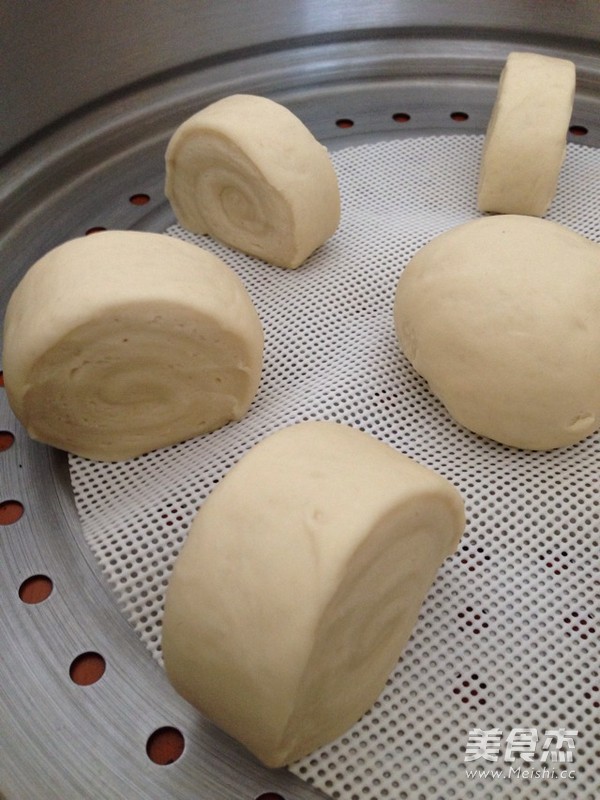
8. After cutting it, arrange it on the steamer (leave a proper interval), and seal it for secondary fermentation for ≥20 minutes. Put a pot of cold water in the steamer, steam on medium and low heat until the water is hot, change to high heat for 13 minutes, turn off the heat and simmer for 3 minutes.

Milky Mantou recipePin this image

9. Steamed buns are tasteless when they are hot. The milky and sweetness will only appear when they are cold.

Milky Mantou recipePin this image
Tips:

The second fermentation time is generally controlled at 20-60 minutes, the longer the time, the more fluffy the steamed bread will be. But in the hot summer, it is recommended not to wake up for too long, 20-30 minutes is enough, it is too difficult to control the over-fermentation and it will become sour!
Exhaust gas before the second fermentation is particularly critical, and sufficient exhaust gas can ensure the smoothness and taste of the finished steamed bread. The cracking pattern I made is mainly to slightly reduce the compression during the roll forming process, so that each layer of dough has room to ferment during the cooking process, and the finished product will naturally crack!

Comments

Similar recipes

Braised Eggplant recipe

Braised Eggplant

Eggplant, Salt, Flour
Pimple Soup recipe

Pimple Soup

Ginger, Parsley, Chives
Seasonal Vegetable Pie recipe

Seasonal Vegetable Pie

Flour, Plain Water, Cucumber
Pimple Soup recipe

Pimple Soup

Flour, Tomato, Water
Seasonal Vegetable Quiche recipe

Seasonal Vegetable Quiche

Green Bean Sprouts, Carrot, Shiitake Mushrooms
Seasonal Vegetable Soup Baba recipe

Seasonal Vegetable Soup Baba

Flour, Tomato, Sausage
Cornmeal Fried Dumplings recipe

Cornmeal Fried Dumplings

Glutinous Rice Balls, Flour, Cornmeal
Pimple Soup recipe

Pimple Soup

Tomato, Flour, Rape