Old Bread
by kiss war girl
Favorite
Difficulty
Hard
Time
2h
Serving
2
What is similar to the western sour dough (Sour dough) is the Chinese old noodles.
Old noodles are dough that has been fermented once. Its essence is to add the old noodles made last time to the new dough. When the new dough is completed, take a small part and become the old noodles next time. It has always been passed down...Like the sourdough starter, it is feasible to retain it for decades and hundreds of years.
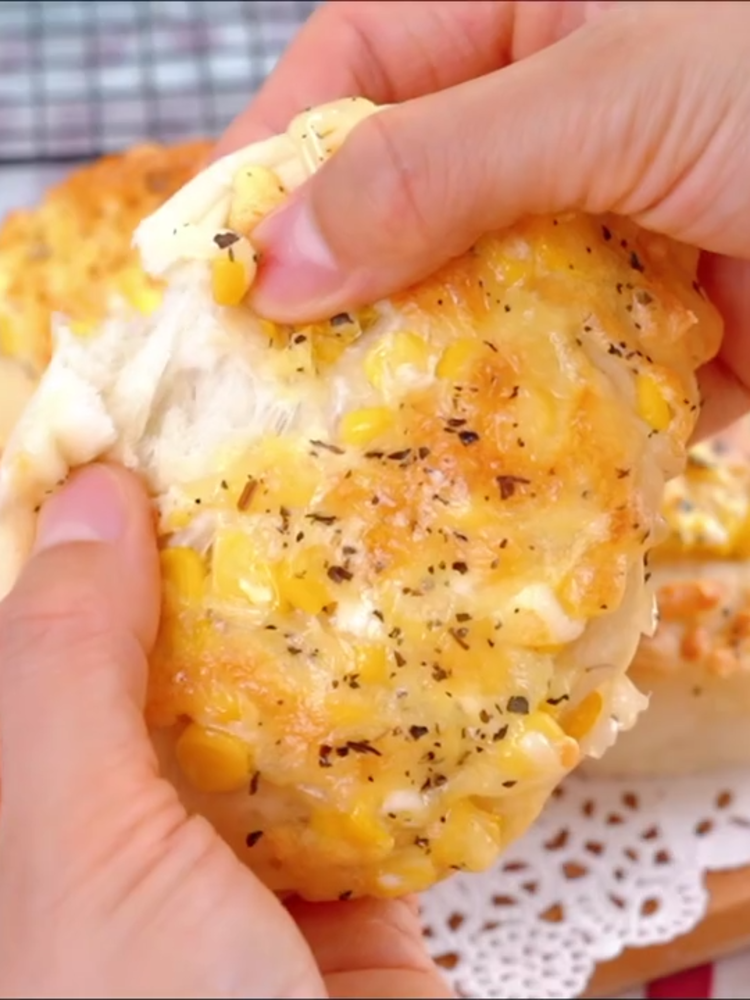
Although the current yeast is quick to make and is convenient and easy to obtain, the finished product is not comparable to the old noodles. The latter has high gluten and good elasticity, and although the taste is light, it has the special fragrance of bread, which can be seen when you break it. The inside is evenly organized and layered, making it more delicate to eat.
When making bread by myself, I often want to try new flavors in different ways, so if you are making steamed buns or a single kind of bread, just mix the old noodles into the new dough and leave a small portion in the new dough to make the next time. The old side of the people, continue with this......"
 Buy on JD
 Buy on Amazon