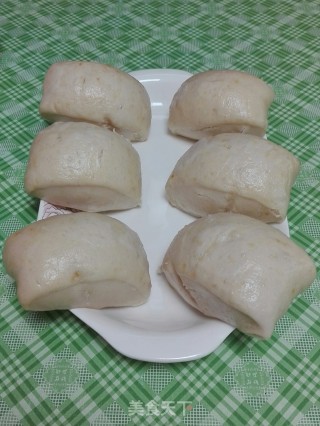
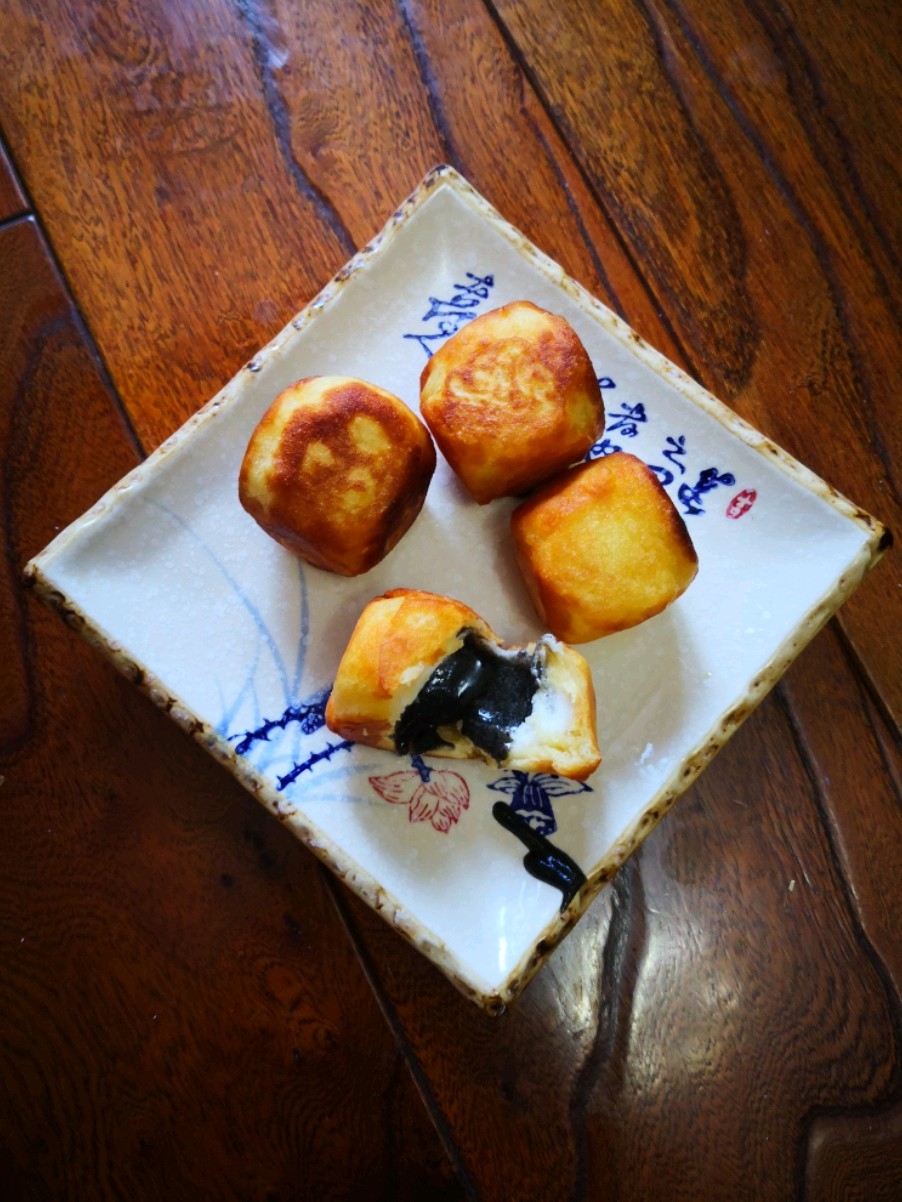
Old Noodle Buns
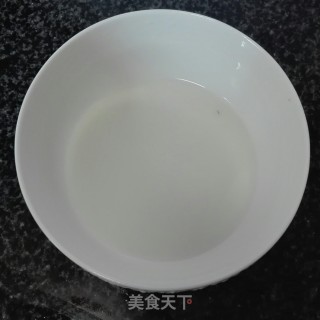
1. Dilute the old noodles with warm water or cold water, but warm water can speed up the fermentation process
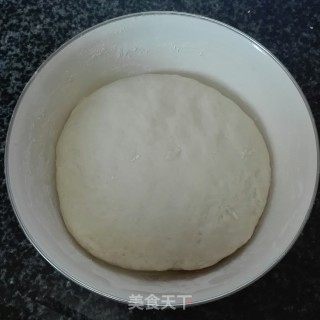
2. Knead the dough, add flour and stir to form a flocculent shape, and then knead it into a smooth dough. The dough should be moderately soft and hard (the first key step), then cover and seal in a warm place for fermentation
3. The fermentation time is mainly determined by the amount and temperature of the old noodles, so each fermentation time is different. According to experience, if it is in summer, it is usually cooked in the morning and steamed in the afternoon. How to see if the dough has fermented well (the second critical step): 1. The smell should be sour. 2. The dough should expand and become larger. 3. Pull up the dough, which should have a honeycomb shape. 4. The dough should maintain a certain degree of toughness. If the fermentation time is too long, it will lose its toughness
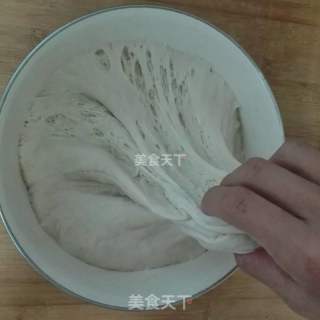

4. Adding edible alkali will produce lactic acid bacteria in the process of baking noodles, so when steaming steamed buns with old noodles, you need to add edible alkali (ie baking soda) to neutralize the sourness, and how much alkali is appropriate is a very important step. Mix the edible alkali and flour together, knead the dough evenly in several times, and then let the dough rise for about 10 minutes. How to see if the amount of edible alkali is appropriate (the third key step): 1. The sour taste disappears, instead of a slightly sweet taste. 2. The viscosity is reduced. Cut a knife on the dough and the cut will not stick to it easily. together
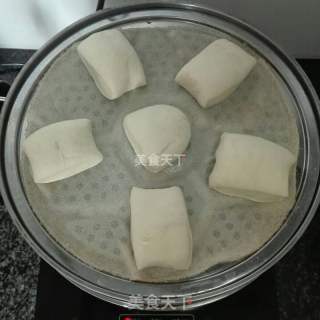
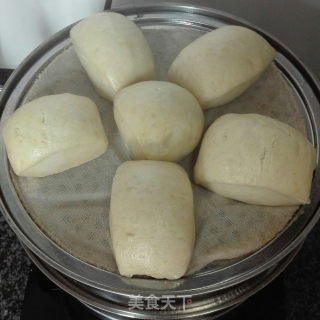
5. Put it in the pot, add cold water to the steamer to boil when the noodles are awake. When the dough wakes up, it will be whole into long strips, then cut out the appropriate size dough, put it in the steamer, usually 15 minutes after the water is boiled, the steamed buns Take it out and dry it in time and let it dry for a while before eating.
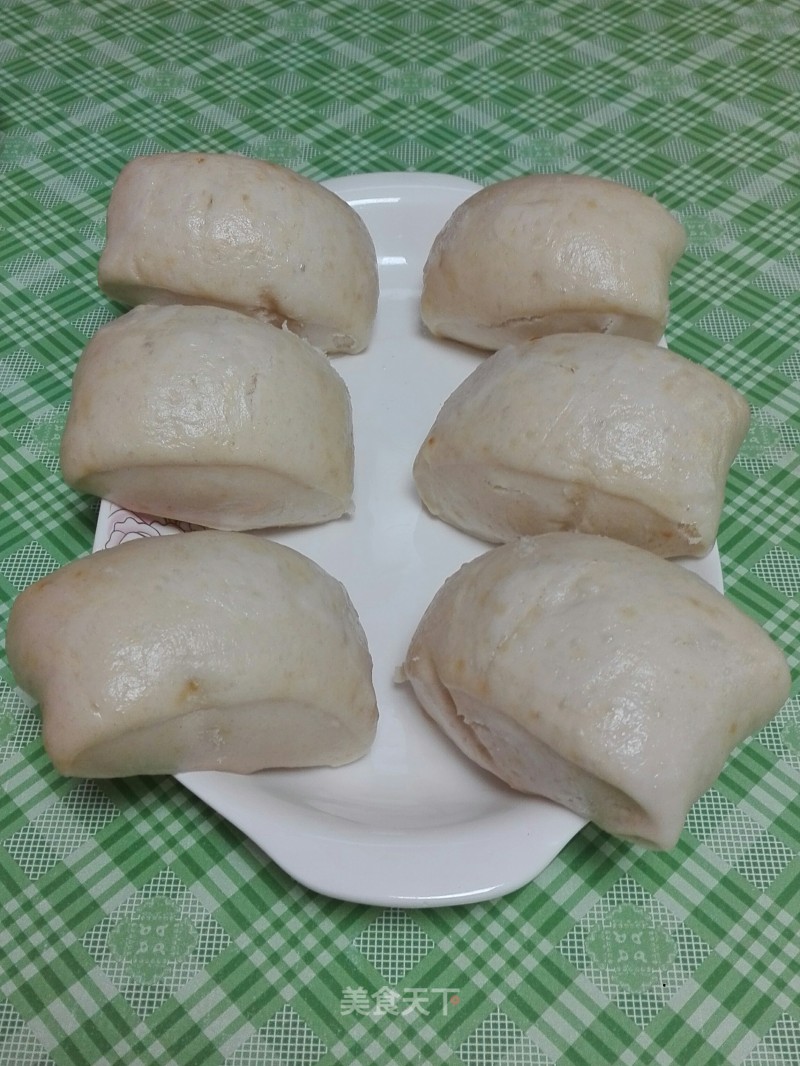
6. Out of the pot
7. Out of the pot

 Buy on JD
 Buy on Amazon