Pumpkin Buns
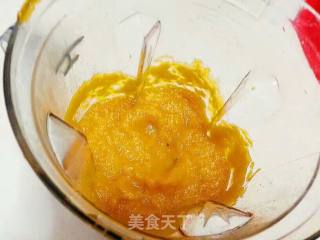
1. Steam the pumpkin and let it cool, then put it in a blender to make pumpkin puree!
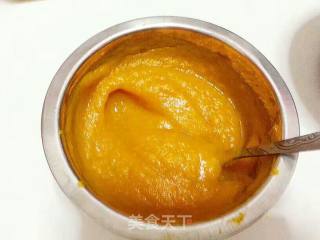
2. The pumpkin puree should be cooled to room temperature (about 37-38 degrees Celsius). Add 10 grams of dry yeast and 40 grams of sugar to the pumpkin puree and stir evenly until the sugar melts (I didn’t weigh the pumpkin puree used here)
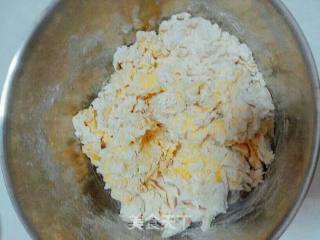
3. Pour the pumpkin puree into the flour and stir until the dry powder is not visible. If it is not enough, add the pumpkin puree. If there is no dry powder, you don’t need to pour it completely. This depends on the water absorption of the pumpkin puree (appropriate amount)
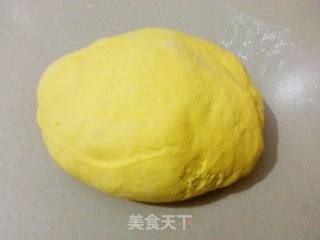
4. After mixing into dough, it should be mixed until Sanguang (hand light, pot light, surface light), cover and proof for about 1 hour
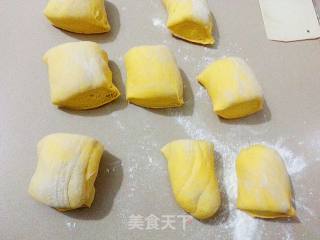
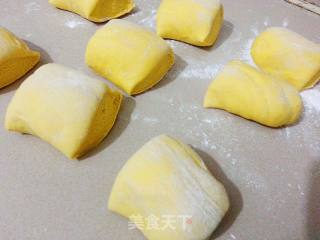
5. Sprinkle an appropriate amount of dry powder on the fermented dough to exhaust, knead the dough again until it is smooth, and divide the dough into long strips of the same size.
6. After dividing the ingredients, knead each ingredient several times to make a smooth bun with the skin as smooth as possible! Wait for the steamed buns to look good!
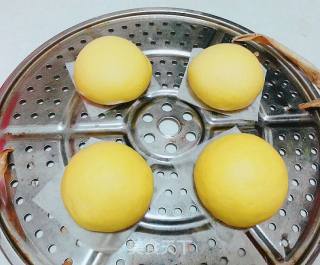
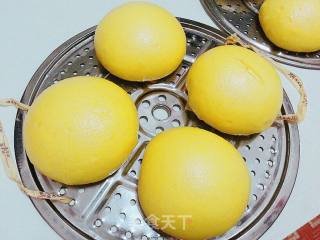
7. Finally, the agent is rounded into a steamed bun shape and placed on the steamer for proofing
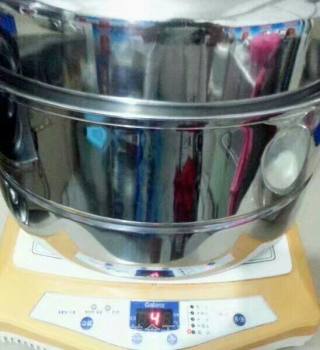
8. Keep a certain distance between the steamed buns and cover them with plastic wrap or use a large pot upside down. The second proofing is 40 minutes.
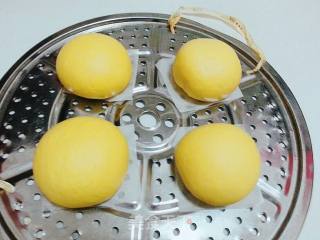
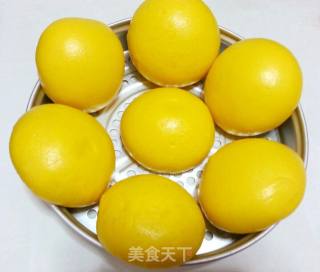
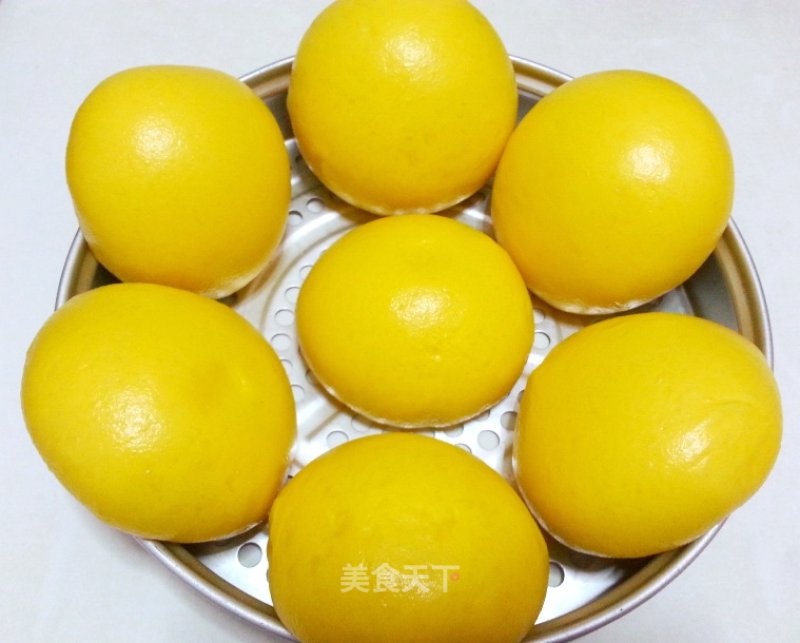
9. After the water is boiled, put in the proofed buns and steam for 18 minutes, turn off the heat and simmer for 3 minutes and boil the pot
10. Take out the steamed buns and let cool
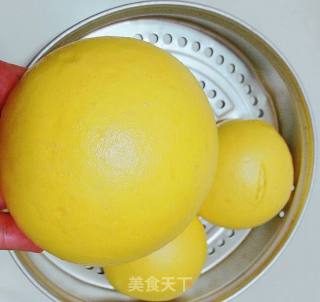
11. Big steamed buns are fairly smooth skin
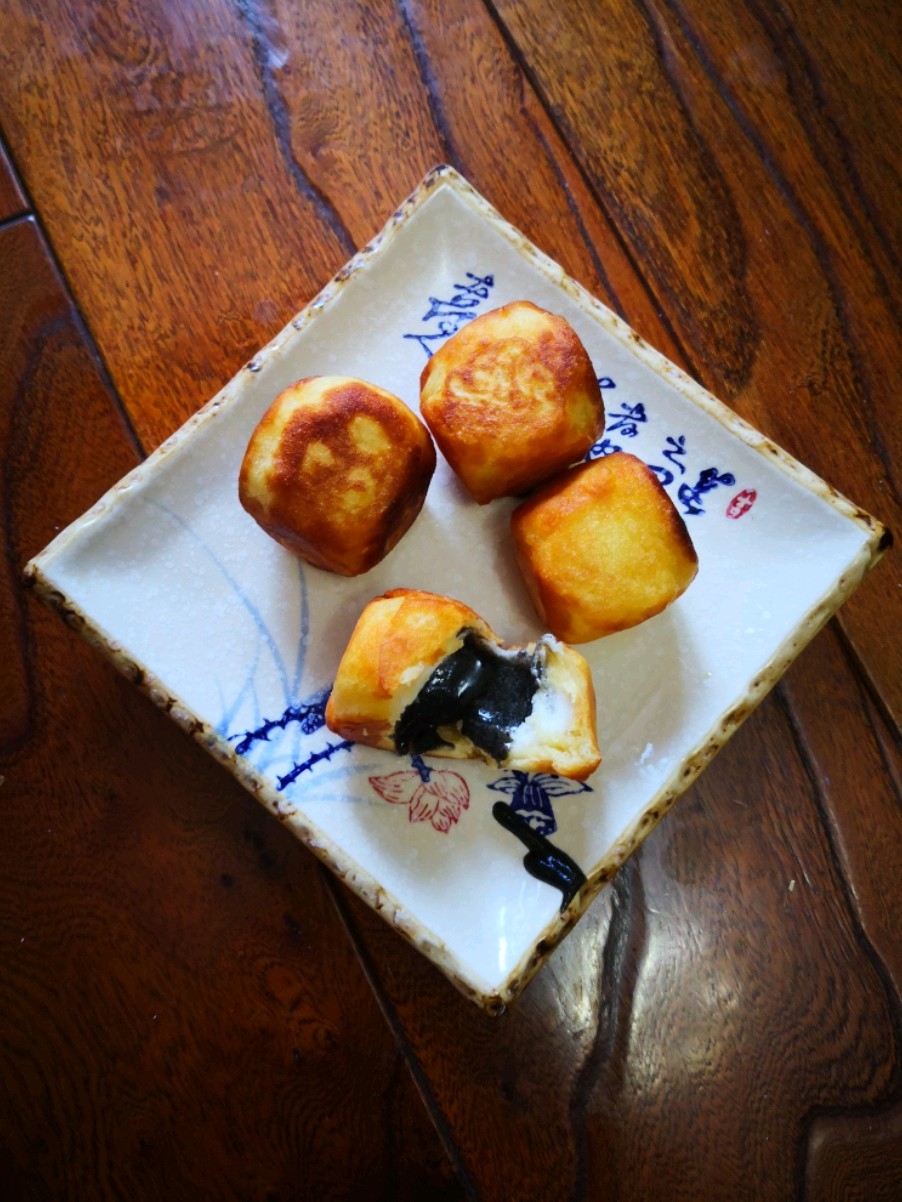
12. The cold steamed buns can’t be eaten at one time. Pack them in a safety bag. Take them out and steam them for a few minutes when you eat them next time. They can also be sliced and wrapped in egg liquid and fried, or sliced and brushed with Nande barbecue ingredients. Roast and eat!
Tips: The second fermentation should be flexibly adjusted according to the temperature change. The fermentation time is slow in cold weather, and the fermentation time can be prolonged. Hot weather can shorten the fermentation time. You can observe the degree of steamed bread fermentation!

 Buy on JD
 Buy on Amazon