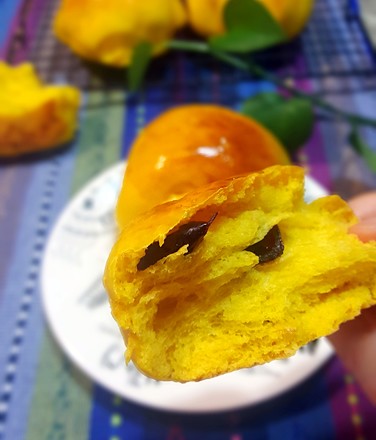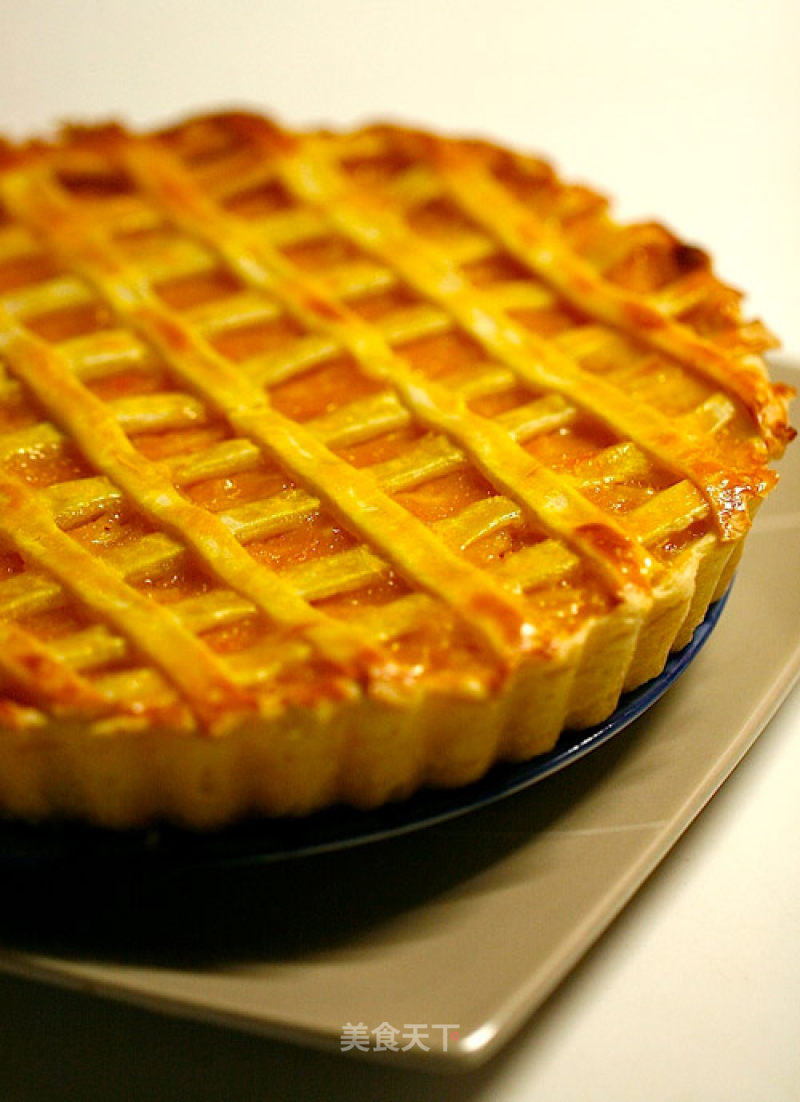

【pumpkin Pie】--halloween Desserts
by Air pilot
Favorite
Difficulty
Normal
Time
1h
Serving
2
Every Halloween, my daughter will make an appointment with her little friend, dress up weirdly, carry a pumpkin lantern, and go to the neighborhood to make trouble. Apart from a bag of sugar and snacks every year, more harvest is the happiness brought to them by absurdity. The reason why I encouraged her to go to this western festival, which is out of eight with us, was not for Chongyang, but just to give her one more opportunity to open herself up. My daughter is actually very well-behaved. She usually lives on campus. Because the school is far away and there are no classmates in the community, she stays at home when she comes back on weekends. The two days are filled with extracurricular classes, including piano, English, art, and tennis, except for class. , Homework, surfing the Internet, reading extracurricular books, I have almost never played crazy outdoors. I remembered that she gave herself Halloween for the first time. All the information about this holiday was seen on the Internet. She found it very interesting and yearned. Finally, on October 31st, there was no movement in the neighborhood or the street. I told her it was a Western holiday, but China. She said that everyone celebrated Christmas, and I said that Christmas has become an international one. If you think we can live, we can celebrate whatever festival we want, and we can celebrate every day as long as you want. So we bought a black hat with skulls printed on it. She wore one of my coats. I carved her a pumpkin lantern and took her little hand around the street."
 Buy on JD
 Buy on Amazon