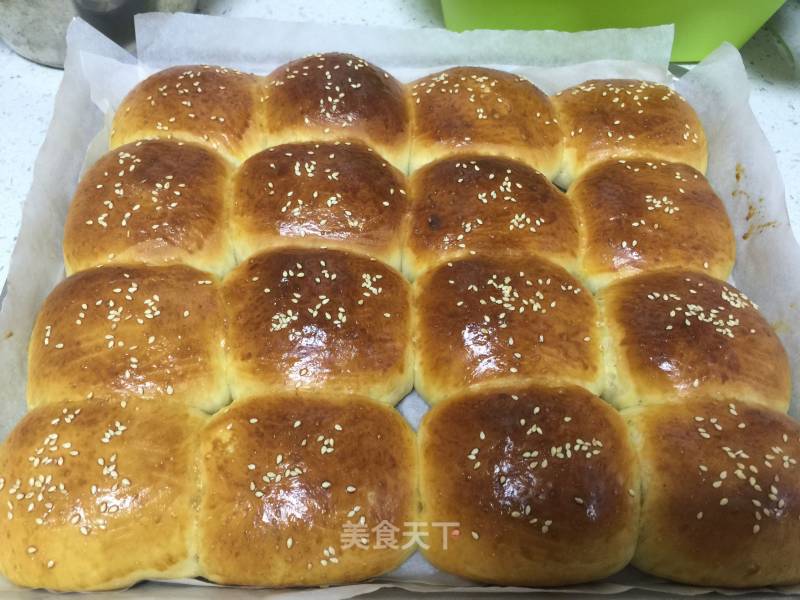

Raisin Small Meal Bag Squeezed and Squeezed
by fairyyangliu
Favorite
Difficulty
Normal
Time
2h
Serving
2
1. Mix the flour, milk powder, salt, yeast, and sugar. Beat the eggs and leave a little for later to brush the surface. Add the rest to the flour.
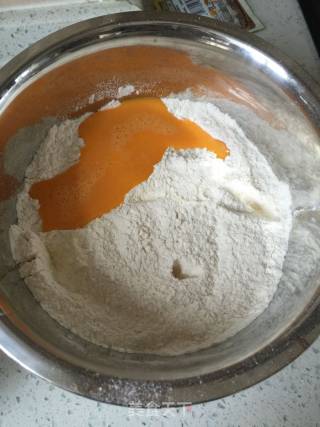

2. Warm milk and water and mix the noodles, which is more conducive to the yeast to make the noodles. But only the warm ones will do. Too hot will scald the yeast to death! The dough is relatively thin at the beginning.
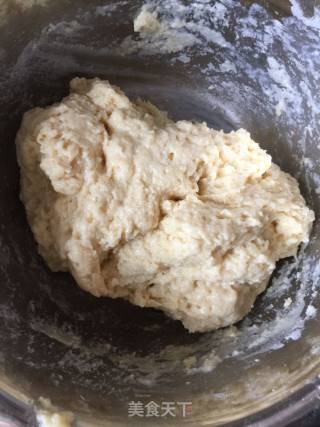

3. Keep kneading the dough until you can pull out the film and add butter.
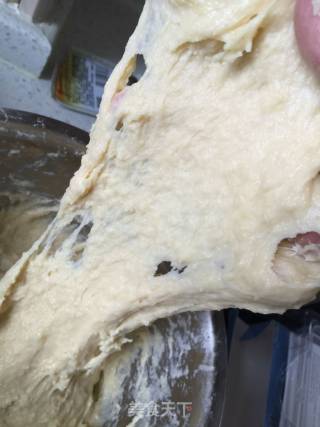

4. Knead it evenly and knead it into a smoother dough. Cover the basin with a lid or plastic wrap to prevent the surface of the dough from drying out. Wait for the dough to reach 2.5 times the stool.
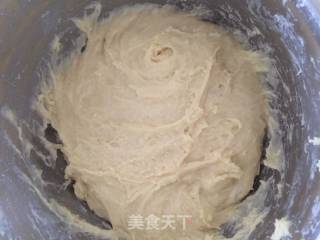

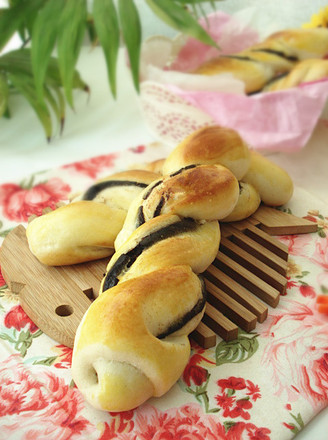
5. Knead the dough a few times to exhaust air, divide it evenly into 16 equal parts, knead the dough and let it stand for more than 10 minutes. The dough that has been set aside is flattened and added to your favorite fillings, I added raisins, and then rubbed into a circle.
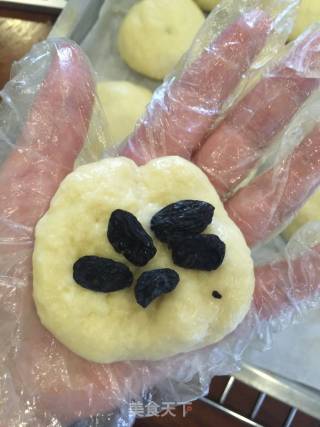

6. Stuffed dough
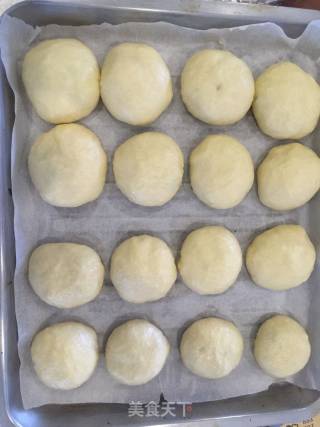

7. The dough needs to be fermented a second time, and the surface is brushed with egg liquid and sprinkled with sesame seeds.
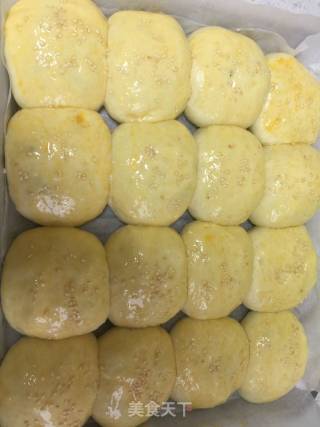

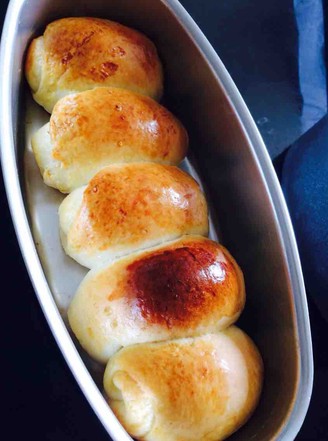
8. Preheat the oven at 160 degrees, put the upper and lower fire on the middle layer, and it will be out in 25 minutes!
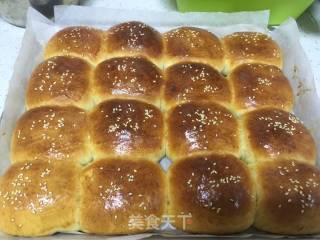

9. Take out the baked bread immediately and let it cool separately!
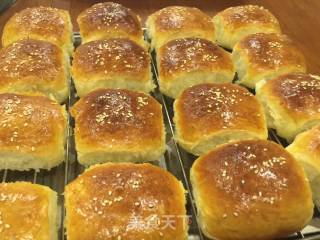

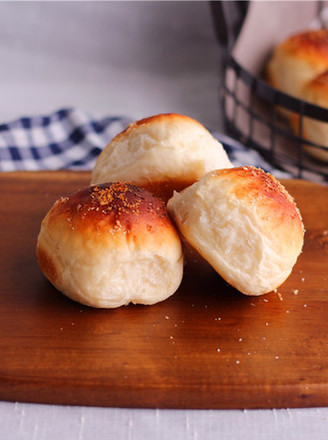
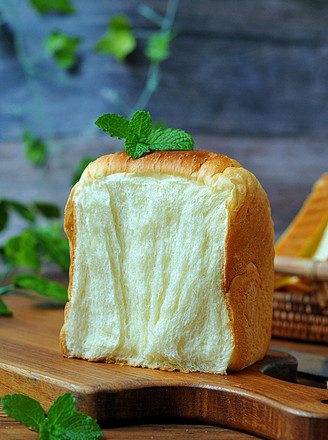
10. The tendons are very good!
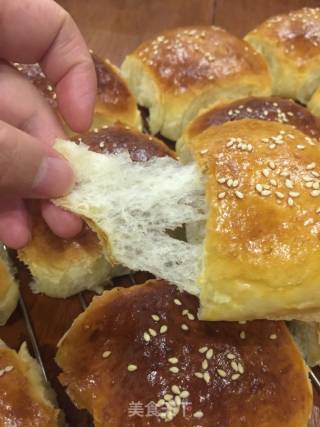

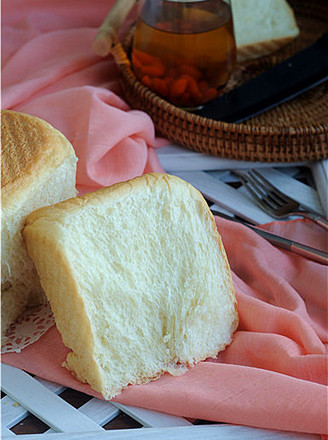
11. Delicious and soft!
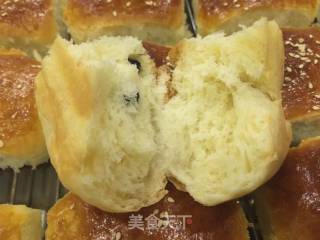

Tips:1. The noodles will be thinner, but it doesn't matter, don't add noodles, otherwise the baked bread will be very dry!
2. Don't reduce the time for soft noodles in order to save energy and be lazy. Kneading noodles is very important and determines the tendons of the bread!
3. Exhaust is also very critical. Once the exhaust is done, the bread will not retract after baking.
4. The second fermentation not only makes the bread fluffy, but also strengthens the gluten strength, so it cannot be ignored.
5. After the bread is baked, it should be taken out of the oven immediately, and it should be demoulded and placed on the grid to cool naturally. Otherwise, the small bread will become hard and tough due to excessive moisture consumption, the surface of the large bread will be dry and hard, and the sides and bottom will become soft and gelatinized due to moisture back-out.
 Buy on JD
 Buy on Amazon