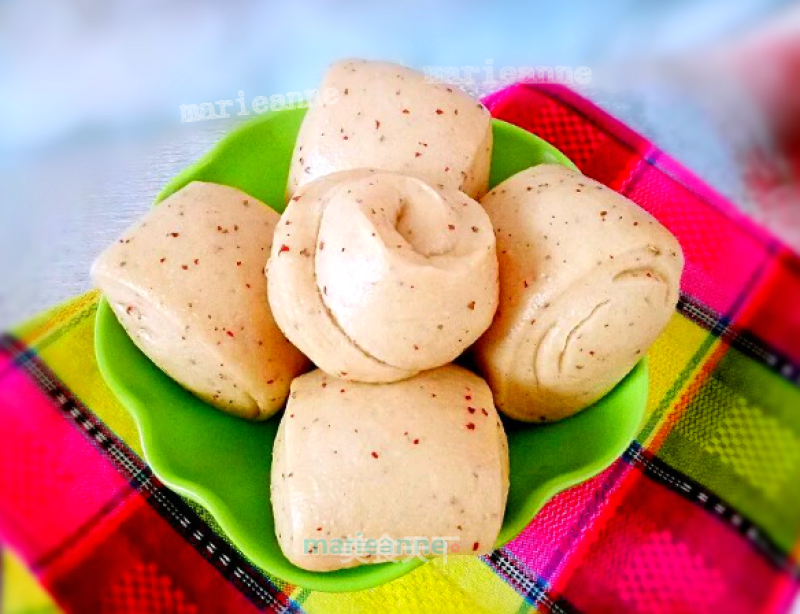
Red Dates and Bean Dregs Steamed Buns
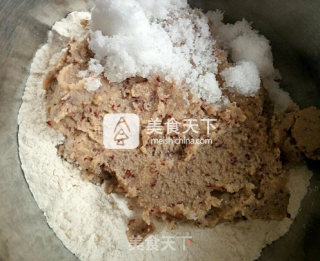
1. Pour the weighed flour into a large basin, add red dates, bean dregs and sugar;
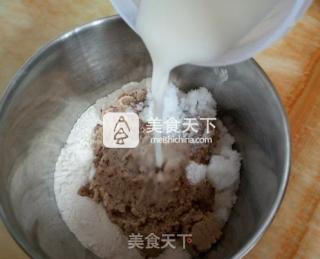
2. Boil about 60 grams of warm water with yeast powder, slowly pour it into the flour, and use chopsticks to stir it into noodles;
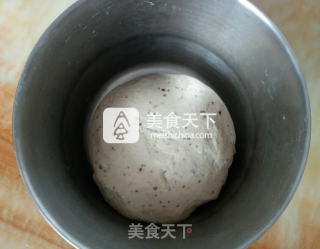
3. Knead the dough by hand, and knead it repeatedly to form a Sanguang dough (surface light, pot light, hand light),
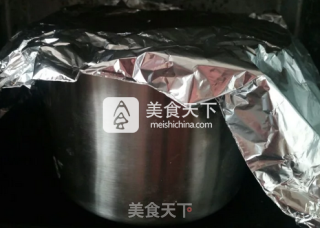
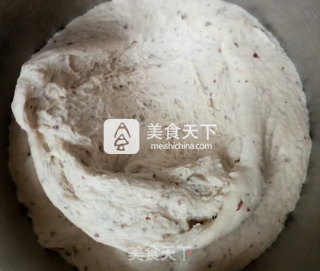
4. Cover with tin foil, put it in the oven to start the fermentation function, and ferment to about 2 times the size (about 1.5 hours in winter and 45 minutes in summer)
5. Poke the fermented dough with your fingers, without shrinking, and the internal tissue is honeycomb-like;
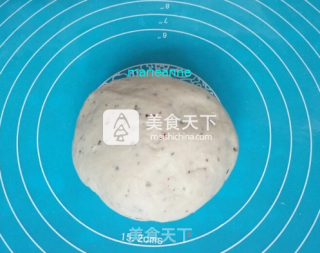
6. Sprinkle dry flour on the silicone mat, take out the dough that has been fermented, add an appropriate amount of dry flour according to its softness, and knead repeatedly for 20 minutes, knead well and completely exhaust air, knead until the surface is smooth;
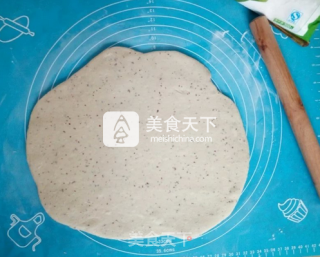
7. Divide the dough into two parts (the other part is put in the bowl and cover it for later use), take one part and knead it into a circle and flatten it with a rolling pin, the thickness is about 0.5 cm
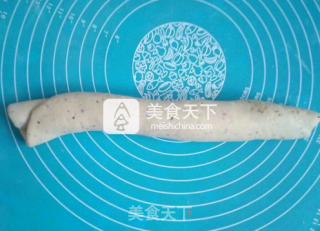
8. Then roll into a long strip
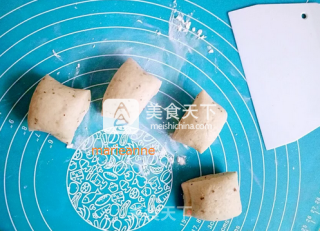
9. Use a spatula to cut into a moderate amount of raw steamed bread embryos, and make another portion of dough in the same way;
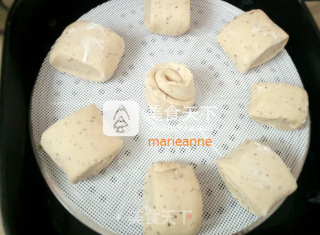
10. Add appropriate amount of cold water to the steamer, and put the raw steamed buns on the steamer cloth, leaving a proper gap between each two;
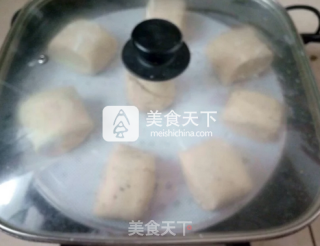
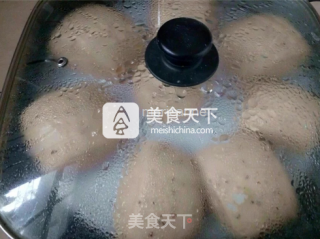
11. Cover the pot and let it stand for half an hour (it can be shortened to 15 minutes in summer);
12. Turn on high heat and steam, turn the water to SAIC and turn to medium heat. The medium heat time is 15 minutes (the steaming time depends on the size of the steamed buns as appropriate). After turning off the heat, steam it for 5 minutes before opening the lid

Tips: 1. The amount of water should be adjusted according to the dry humidity of the bean dregs. Because the water content of the bean dregs is different, the amount of water should be adjusted when adding flour. It is not particularly sticky and the dough can be kneaded smoothly. If your bean dregs have a high moisture content, you can omit the water in the ingredient list;
2. Adding a small amount of sugar can help fermentation and increase the flavor; you don't need to add it if you don't like sweet;
3. When kneading the dough, the hand feels too hard and you can continue to knead it with your hands in water.
4. The fermented dough should be fully kneaded evenly. You can knead while adding dry flour until the gas generated during the fermentation process is completely discharged, so that the finished steamed bread will have texture and chewiness;
5. The second proofing must be in place before it can be steamed, otherwise it will affect the taste
6. The best ratio of flour and bean dregs is 2:1
7. When uncovering, try not to let the water vapor on the cover drip onto the steamed bread, so as not to cause the steamed bread to collapse.

 Buy on JD
 Buy on Amazon